
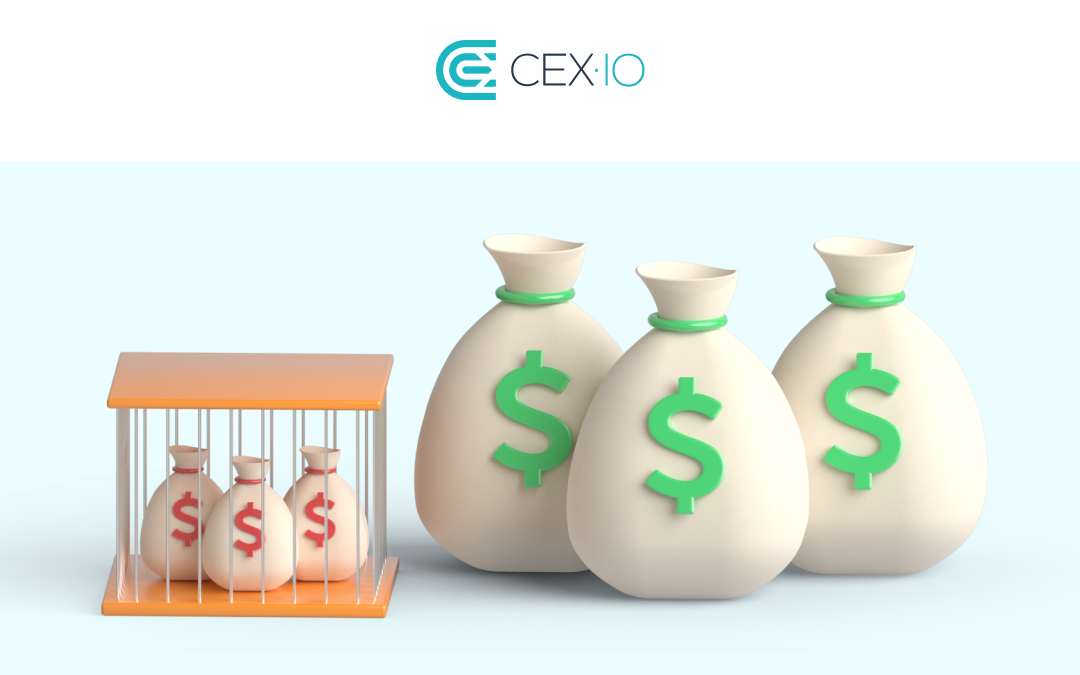
Used Margin: The Locked Funds Behind Your Positions
In crypto margin trading, used margin represents the total amount of funds locked to maintain all open positions. Each new position requires a specific amount of required margin, determined by margin requirements and position details. Summing up the required margins of every position gives you the used margin. It shows the minimum capital needed to keep all trades open and cannot be used to open new positions.
The required margin is calculated as: Required Margin = Notional Value × Margin Requirement. Notional value depends on the asset's current price and the number of lots. For example, in the USDT/USD market, assume 1 USDT = $1, 1 lot = 1 USDT, and the margin requirement is 5% (20x leverage). Opening a position of 10,000 lots creates a notional value of 10,000 USDT, requiring 500 USDT margin (10,000 × 0.05). With no other positions, used margin equals 500 USDT. Adding another position requiring 100 USDT pushes used margin to 600 USDT.
Free Margin: Available Funds and Risk Buffer
Free margin (also called usable margin) refers to the equity not tied up by open positions. It serves both as the amount available to open new trades and as a cushion against adverse price movements before a margin call. The formula is straightforward: Free Margin = Equity – Used Margin.
Consider a balance of 1,000 USDT with no open positions. Equity equals balance, so free margin is also 1,000 USDT. After opening a 600 USDT position, that amount moves from free margin to used margin as collateral. Free margin then becomes 400 USDT (1,000 – 600). These funds can be used for additional positions or kept as a buffer to cover potential losses.
Grasping the distinction between used and free margin is crucial for managing capital and risk in leveraged trading. The margin requirement directly implies leverage: a 2% requirement equals 50x leverage. High leverage lowers margin needs but makes positions more sensitive to price swings, quickly eating into free margin. Traders must monitor both metrics to avoid liquidation due to insufficient margin.