

Crypto traders are building watchlists that look very different from what they used to.
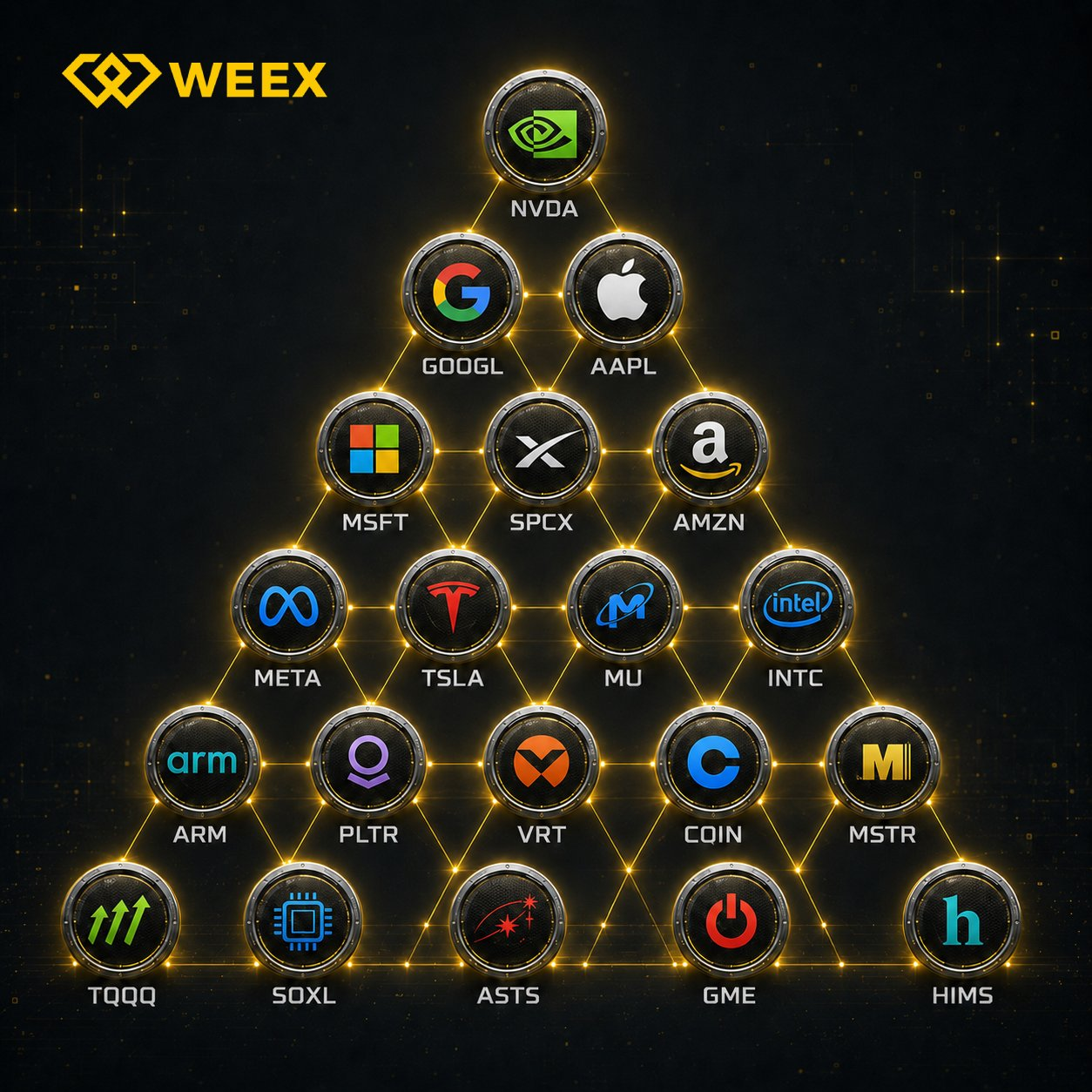
Where those lists once centered on BTC, ETH, SOL, and a few closely watched tokens, they now often include Nvidia (NVDA), Microsoft (MSFT), Apple (AAPL), Tesla (TSLA), Micron (MU), SanDisk (SNDK), gold, silver, and even foreign exchange products. In a market analysis piece, MarsBit argues that this is not a simple move from crypto speculation into traditional investing. The change runs deeper: traders are starting to follow how capital moves across markets that respond to the same macro forces.
That point sits at the center of the article. Federal Reserve shifts in rate expectations can affect Bitcoin, U.S. equities, and gold at the same time. Rising AI investment can benefit Nvidia and Micron while also changing broader risk appetite. During periods of geopolitical tension, gold, crude oil, and risk assets can react in very different ways. In other words, the question for many traders is no longer just which market may rise, but where the same pool of money is moving next.
MarsBit says that helps explain why traditional financial assets are appearing more often on crypto trading platforms. For users who already trade with USDT, perpetual contracts, and 24-hour market access, opening another account and moving into a different funding system may not be the answer they want. The more practical question is why Bitcoin, Nvidia, and gold, all exposed to the same macro backdrop, should not be viewed together inside one trading setup.
What changed is the trader’s framework, not the assets themselves
The article argues that the real shift is in how traders read markets.
There used to be a clearer dividing line between equity investors and crypto traders. One side focused on earnings, valuations, and macro data. The other looked at on-chain flows, sentiment, and sector narratives. That separation is getting harder to maintain as more trading logic overlaps across the two worlds.

Artificial intelligence is the clearest example used in the piece.
When Nvidia rises, many crypto traders no longer see it as news from a separate arena. Demand for AI computing power, data-center capital expenditure, and changing valuations in technology stocks can all alter market risk appetite, and that same appetite can feed back into digital assets such as BTC. The reverse is also true. Changes in dollar liquidity and rate expectations do not stay confined to one market.
A trader may study BTC in the morning, track NVDA in the afternoon, and check gold at night. Those look like three separate markets on the surface. MarsBit says they are often versions of the same question: where is money flowing now?
That, in the article’s view, is the most revealing development tied to TradFi products moving onto crypto platforms. In the past, the assets offered by a platform shaped what users could see. Now, users build their own market view first and then look for platforms that can match it. The boundaries between assets still exist, but the trader’s field of vision is becoming harder to contain inside those older lines.
Why gold, silver, and U.S. stocks are showing up in the same account
MarsBit notes that seeing gold, silver, U.S. equities, and crypto in one trading environment can feel unusual at first. But from the standpoint of global capital, these have long been major markets watched at the same time every day.
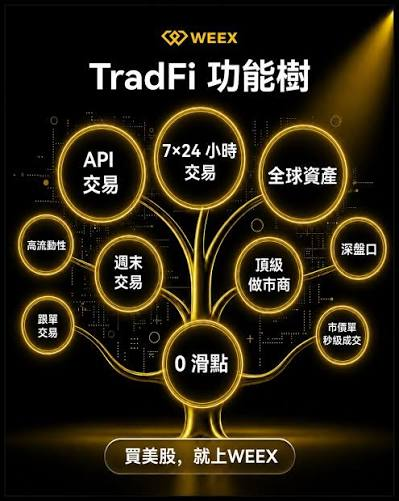
Gold reflects safe-haven demand, interest rates, and the dollar. Silver carries financial characteristics but also clear industrial demand. U.S. equities are more tied to corporate earnings and expectations for economic growth. Each asset class has its own pricing logic, yet they can connect quickly when large macro events hit.
The article also points to rising interest in the digitalization of traditional assets. In the United States, discussions are underway about using blockchain infrastructure to support longer stock trading hours. Financial institutions and trading platforms are also exploring products such as tokenized stocks. Part of what was previously handled separately by stock exchanges, brokerages, and banks is starting to gain new digital entry points.
MarsBit does not frame that as crypto replacing traditional finance. The article’s argument is more restrained: the two systems are gradually finding points of connection, and traders are among the first groups to feel the change directly.
WEEX’s TradFi push is presented as an extension of trading boundaries
The analysis uses WEEX as an example of how platforms are responding. It says the company’s TradFi rollout is not simply a matter of placing a few stock tickers next to existing crypto products.
According to the article, WEEX TradFi currently covers stocks, gold, silver, crude oil, commodities, and global equity indexes. It uses USDT as margin and does not require users to open a separate TradFi account. Users can trade with USDT already held in their spot or futures accounts. The official page also offers a 7x24 TradFi trading mechanism and explicitly warns that liquidity may be lower when traditional markets are closed.
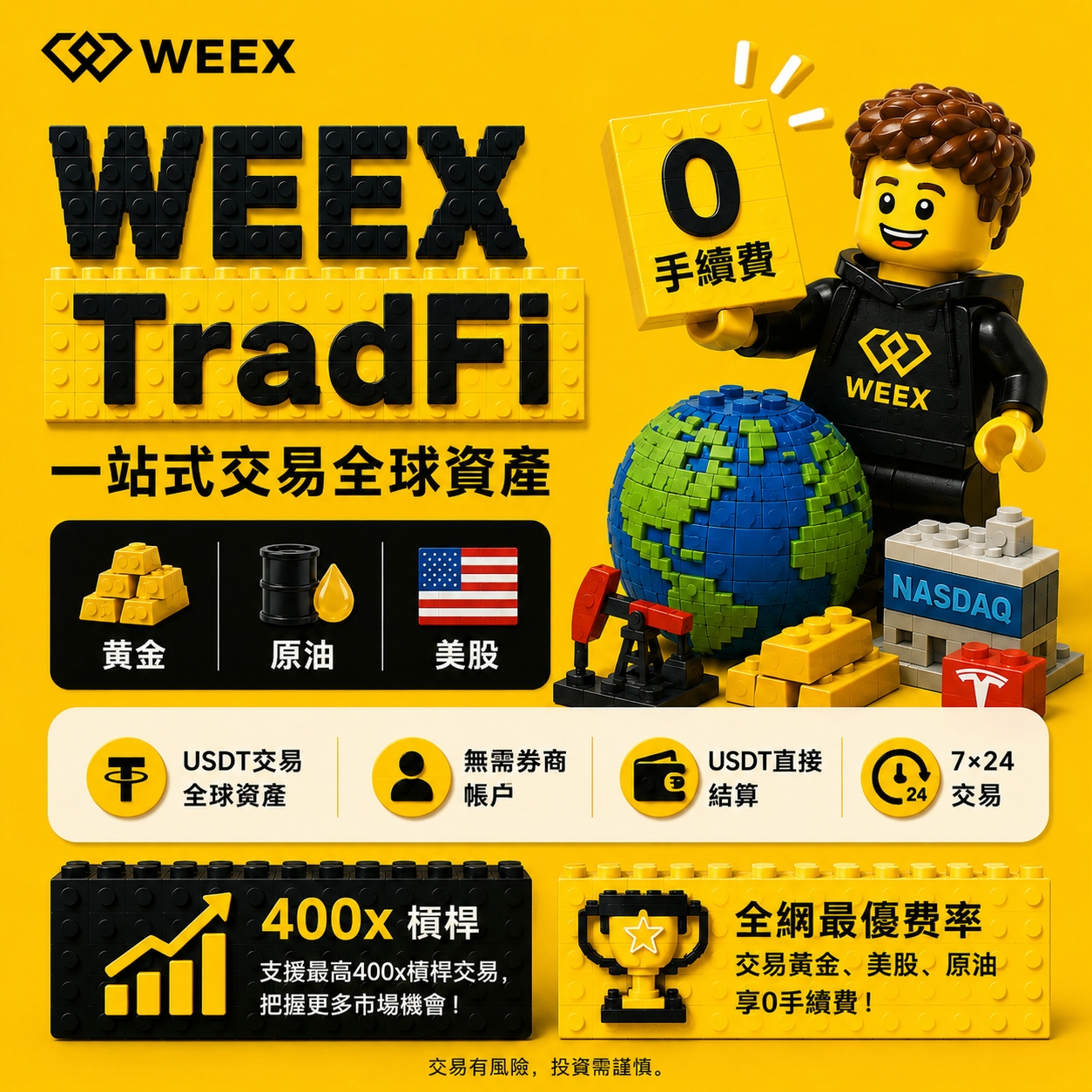
The structure is easy to understand in the context described by MarsBit. WEEX is serving users who are already familiar with digital-asset trading. For them, USDT is not only an asset in a wallet but also a familiar trading medium. Once those users begin watching Nvidia, Apple, Tesla, gold, or crude oil, they will naturally expect the platform to provide wider market access.
The article also makes clear that one account does not erase the differences between markets. Stocks, precious metals, and crypto still have different price-formation mechanisms, trading sessions, and risk characteristics. TradFi products themselves are described as price-exposure trades rather than conventional ownership of the underlying asset.
Platforms are being pushed beyond a single-asset model
From the trader’s perspective, the change is already visible. A trading view can stretch from BTC to NVDA, from NVDA to QQQ, and from QQQ to gold and silver. Market observation that once required several platforms is starting to move into one trading environment.
MarsBit ends with a question that reframes the discussion. The more important issue may not be why crypto trading platforms are starting to offer TradFi products. It may be what happens when traders no longer see themselves as participants in only one market. If that shift is already in place, platforms may find it hard to keep serving just one asset class.
In the article’s telling, that is the practical change TradFi is bringing to crypto trading platforms.