
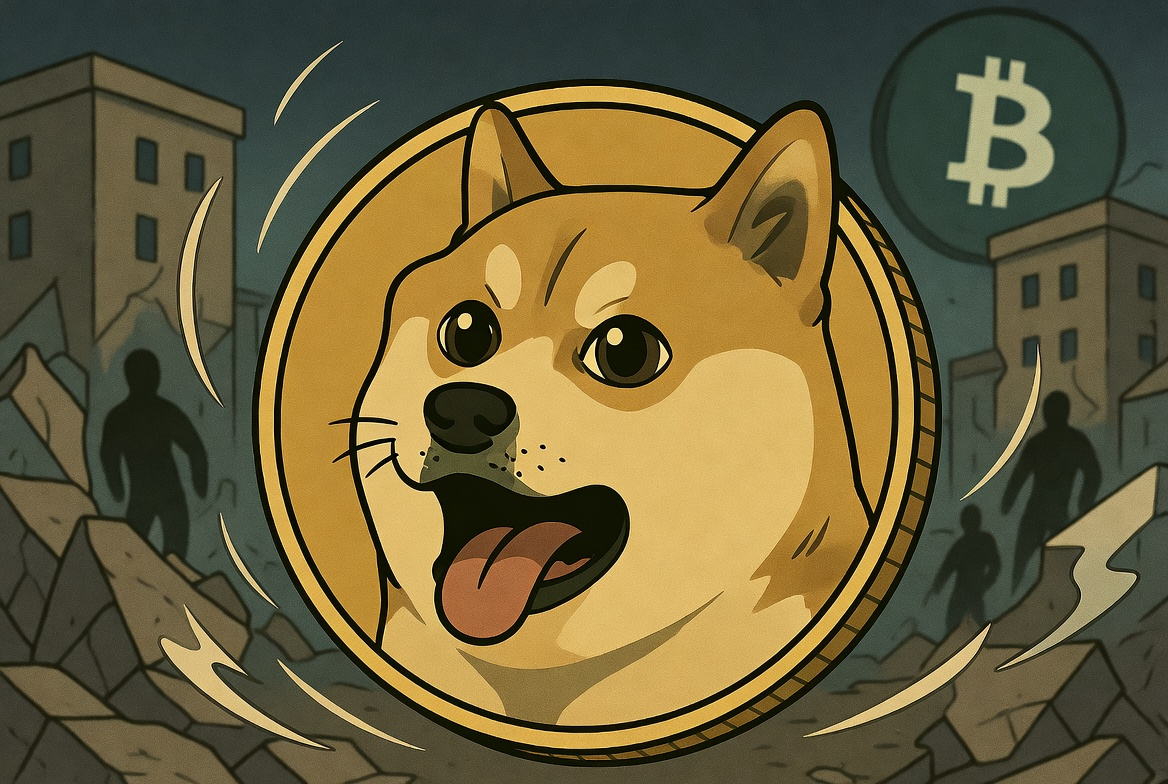
A heated discussion on crypto's image crisis erupted on social platform X on July 24, with multiple Web3 and DeFi leaders venting frustration over memecoin frenzy. Curve Finance founder Michael Egorov directly blamed the memecoin market for destroying public trust.
Egorov: Memecoins Rip Off Retail, DeFi and Bitcoin Take the Heat
Egorov argued that normies have been brainwashed into believing memecoins are what crypto is all about, promised quick wealth but instead getting rugged. He pointed out that genuinely valuable projects — from DeFi protocols to Bitcoin — never benefited from the memecoin boom in terms of funding or price appreciation. Yet when retail investors lose everything on memecoins, these infrastructure builders collectively suffer from eroded industry trust.
“This is the damage memecoins cause,” he wrote.
Epstein Video Goes Viral, Highlights Public Confirmation Bias
The debate was sparked by analyst Deebs DeFi, who noted a video linking convicted criminal Jeffrey Epstein to Bitcoin had gone viral outside crypto circles, racking up millions of views. He said the public already associates crypto with crime and scams, so pairing Epstein with Bitcoin perfectly reinforces confirmation bias. The episode underscores how low crypto’s public image has fallen.
KOLs' Vicious Cycle and Crypto's Identity Crisis
Researcher Ignas joined in, describing crypto as suffering an “identity crisis.” As traditional finance moves in, many institutions launch their own enterprise chains, abandoning core principles like decentralization and permissionlessness. He echoed Egorov’s criticism of memecoins, noting perverse incentives: KOLs find it hard to promote value tokens like CRV because price appreciation requires long-term effort, while launching or shilling their own memecoins is easy to control and yields quick returns.
This short-sighted incentive loop is not limited to a few influencers — it's a systemic problem across the ecosystem, steadily eroding whatever public trust the crypto industry has built.