Market Cycle Bottom Continues to Rise, Leverage Risk Contained
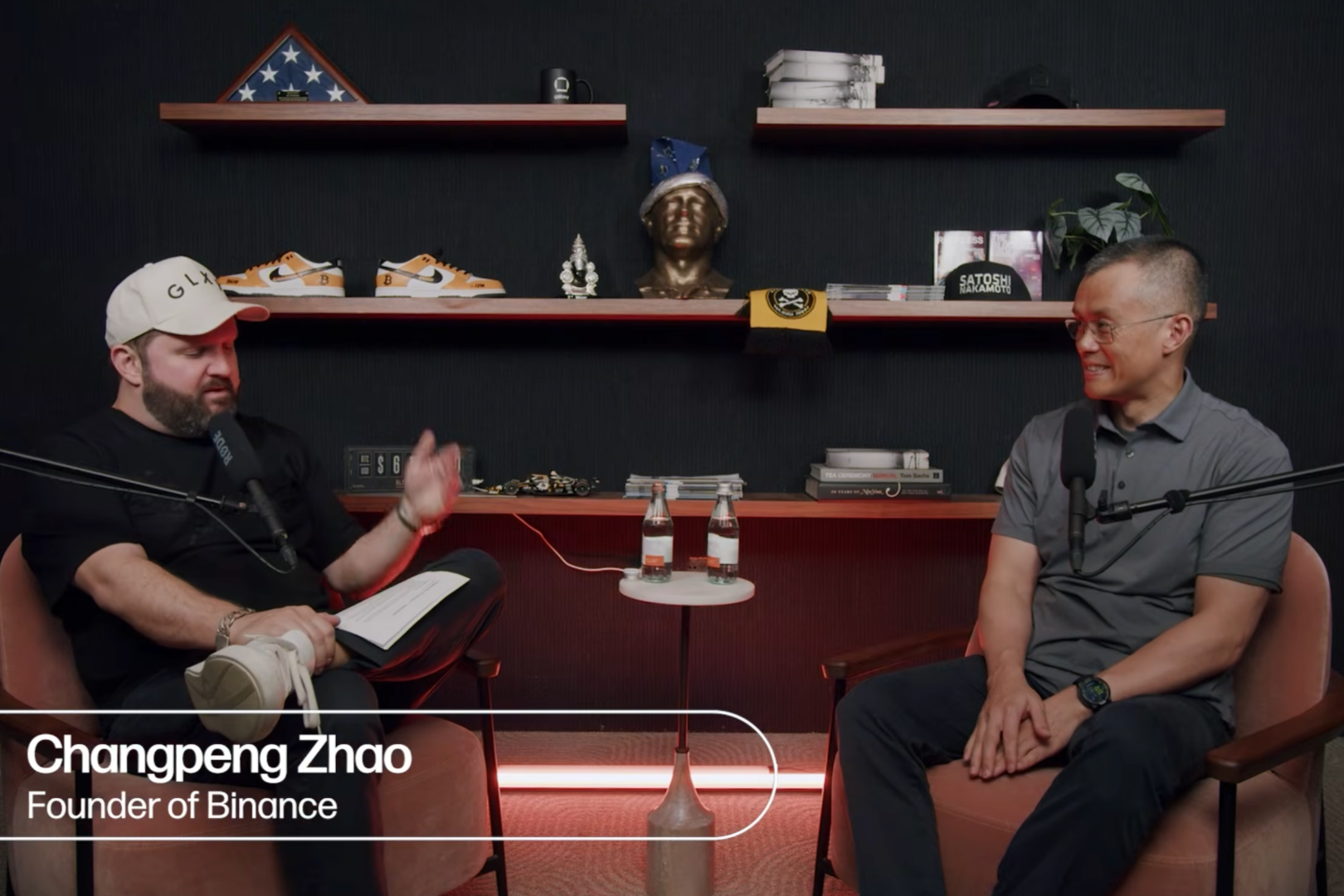
CZ observes that the four-year crypto cycle pattern persists. Current prices have retraced ~50%, far less than the 80% drawdowns of previous cycles (e.g., after Luna collapse and FTX implosion in 2022, Bitcoin fell to $16,000). Bitcoin's price now is 4-5 times that level, and each cycle starts from a higher base. Macro factors include national-level Bitcoin support, institutional involvement (BlackRock), BNB ETF listing, and more stablecoins and RWA products. Regarding the bottom and duration, CZ refrains from predictions but notes that previous highs (e.g., $60,000) often become support for the next cycle. The industry has managed leverage better—no major institutional failure in the past six months, and high-leverage products remain relatively small compared to the overall market size.

Convergence of Crypto and TradFi: Coexistence of Centralization and Decentralization
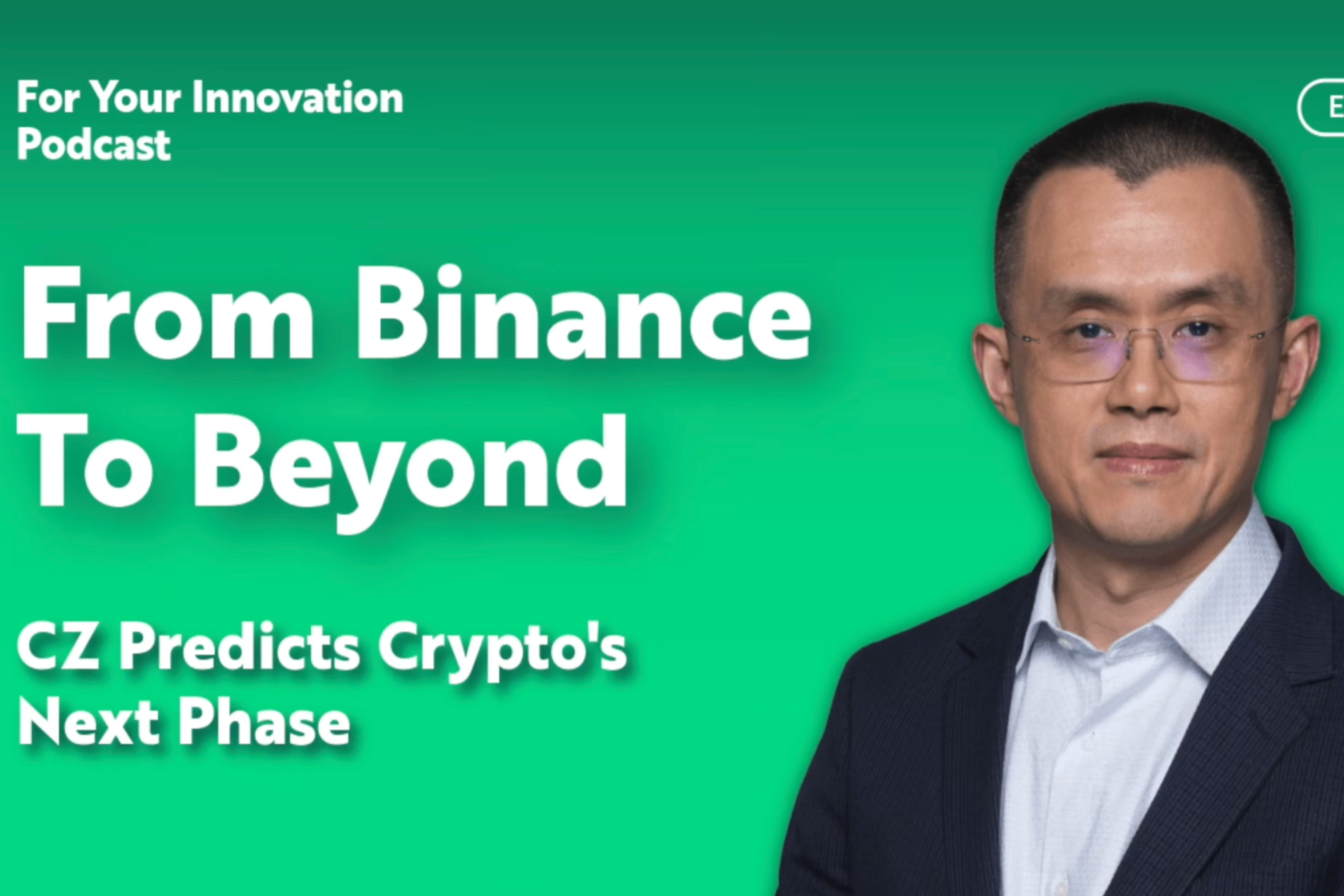
CZ argues that crypto and traditional finance should not be separated; they belong to the same fintech industry. Traditional financial firms can adopt blockchain, while crypto companies can offer lending, savings, stock trading, and payment services. He emphasizes that any platform or team with multiple participants inherently has centralization, but technology will push toward more decentralization. Centralized players that provide high-quality, secure, low-cost services can attract users through network effects. Regarding national blockchains, CZ reveals he has discussed with leaders from various countries—many want their own blockchain, but this may be a transitional phase. True decentralization does not mean everyone must use the same open-source chain.

Perpetual Contracts, Hyperliquid, and Prediction Markets
Perpetual futures originated with BitMEX in 2014; Binance launched its product in 2019. CZ welcomes traditional players like CME entering crypto futures, as they increase overall liquidity and provide better protection for consumers. He predicts that foreign exchange trading will also migrate to blockchain eventually. Binance serves a global user base and can help investors access stocks and bonds from other countries, boosting liquidity rather than harming local exchanges. Regarding Hyperliquid, CZ acknowledges its innovation in occupying a niche that Binance cannot serve (no KYC, claims of decentralization) with its own technology. For prediction markets (Polymarket, Kalshi), CZ notes that the CFTC chairman has expressed favorable rhetoric, and the platforms enable price discovery and liquidity, benefiting the industry despite jurisdictional disputes.

Yzi Investment Allocation: 70% Crypto, 20% AI, 10% Biotech
CZ outlines Yzi's investment principle: 70% crypto (with tokens, he avoids naming to prevent promotion), 20% AI, and 10% biotech. The focus is on impact rather than financial return—for example, investing billions in a cancer cure that saves millions but may not turn a profit. He discloses specific investments in an artificial womb project (already tested on rodents, human application predicted in 5-10 years) and a knee cartilage regeneration technology (using 3D-printed scaffolds to stimulate growth, entering human clinical trials). Yzi also invests in AI robotics. CZ admits that most early-stage projects have high failure rates, but he is most excited about biotech innovations.

AI: Diverse Applications and Potential Risks
CZ uses almost all major mobile AI assistants, each for different tasks (OpenAI, Claude, Deepseek, Kimi, etc.). He finds US large language models more precise, while Chinese models are good but sometimes less comprehensive. He believes AI competition between nations is healthy but warns that AI's power demands careful speed control—it can hack computers, design weapons, and pose existential threats far beyond crypto. Regulation of AI is extremely difficult and must be deeply thought through. Cryptocurrency, in contrast, cannot destroy civilization; it facilitates global trade. CZ concludes that while hot money currently flows to AI, those funds will eventually move through blockchain, because blockchain is API-driven and most compatible with AI agents.