


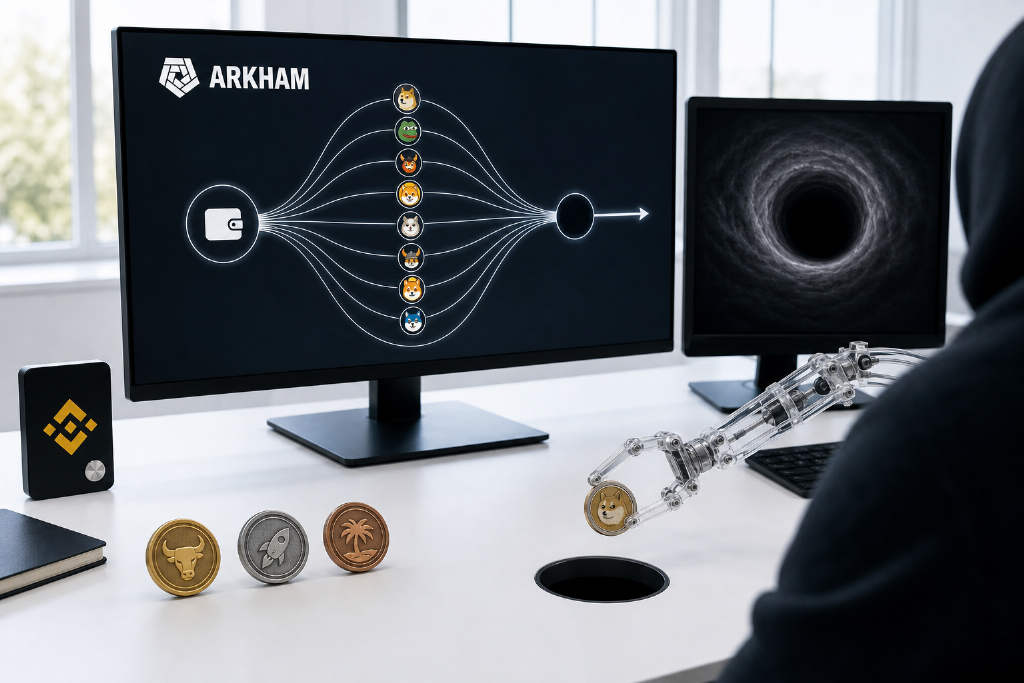
BlockBeats reported on Aug. 16, citing Arkham data, that Changpeng Zhao’s public donation address showed three token burn transactions at around 16:15. The transfers involved 4,444 units each of the meme token "Niulai," MarsCoin, and "Binance Life."
According to BlockBeats, the burn of 4,444 "Niulai" tokens was not initiated by CZ. The token in question uses a contract address beginning with 0xD043B6 and shares the same name as another widely discussed "Niulai" token whose contract address begins with 0xbee.
The transfer was initiated by the token creator
BlockBeats said the transaction was initiated by the token creator, identified as address 0xcf86..383. The creator deployed the contract with privileged authorization, minted 1 billion tokens to the creator’s own address, then sent about 800 million of them to CZ’s address. After that, the creator used transferFrom to forcibly move 4,444 tokens out of CZ’s address and into a burn address, creating the appearance that CZ had burned the tokens.
During that period, BlockBeats said CZ’s address did not grant any authorization to the token or to the transaction initiator.
Similar tactics have appeared before
BlockBeats said the method has appeared repeatedly. In an earlier case in 2025, the team behind the CAAB token sent 80% of the supply directly to CZ’s donation address and promoted it as "CZ holdings." The token’s market capitalization briefly climbed to what BlockBeats described as a false high, which misled investors.
BlockBeats also cited the SHORT token as another example. That project sent 99.9% of its supply to CZ. After CZ cleared out, or burned, those tokens, the move was followed by a short-term price spike, which the project team then used as an opportunity to sell.
A burn record alone is not proof of endorsement
BlockBeats warned that on-chain monitoring tools may directly label the transaction as "From: Changpeng Zhao," but a single burn hash should not be treated as evidence that CZ endorsed the project, took part in it, or actively chose to burn the token. If a contract creator can move balances from other holder addresses, the associated risk is extremely high.
BlockBeats added that meme tokens often lack practical use cases and can see sharp price swings, and said investors should remain cautious.