
Market Cycles: Rising Bottoms, Stronger Institutional Health
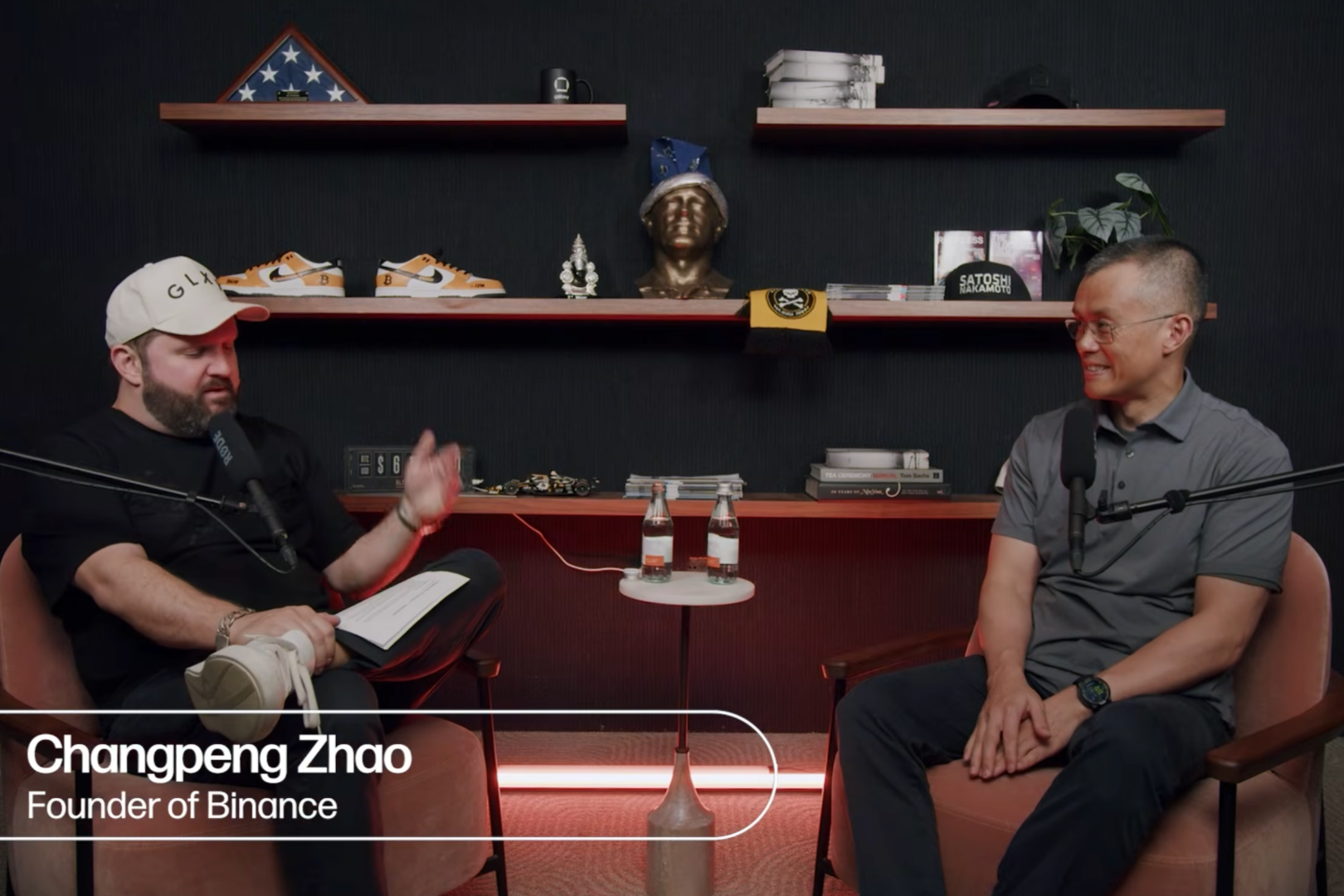
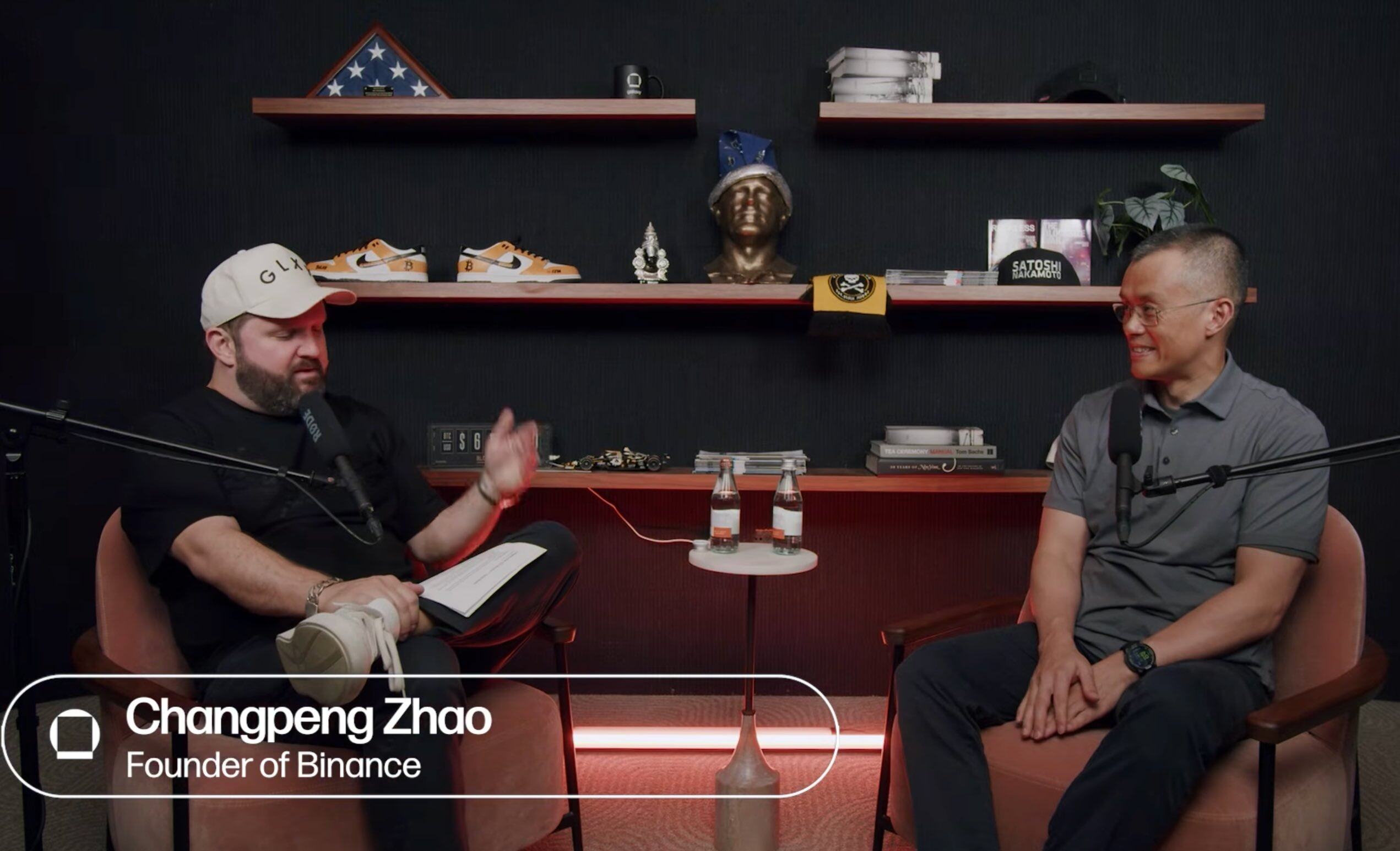
In a wide-ranging interview with Galaxy, Binance founder Changpeng Zhao (CZ) reaffirmed the four-year crypto cycle thesis. The current drawdown is roughly 50%, compared to the 80% plunge during the 2022 Luna/FTX crises, when Bitcoin bottomed at $16,000. Today Bitcoin trades at four to five times that level, and each cycle's floor is higher. CZ noted increasing state support for Bitcoin, institutional adoption (BlackRock, BNB ETF), more developers returning to the U.S., stablecoin issuance growth, and RWA products like preIPO tokens on exchanges.
Regarding the bottom, CZ refrained from predicting but pointed out that historical highs often become future support — for instance, the $60,000 level, which was the peak four to five years ago. On institutional leverage, no major player has come close to bankruptcy in the past six months, and the industry has managed leverage better, despite some high-yield stablecoin products employing circular lending. The relative scale of those products is small compared to the overall market.
Crypto and TradFi Converge; Centralization vs. Decentralization Coexist
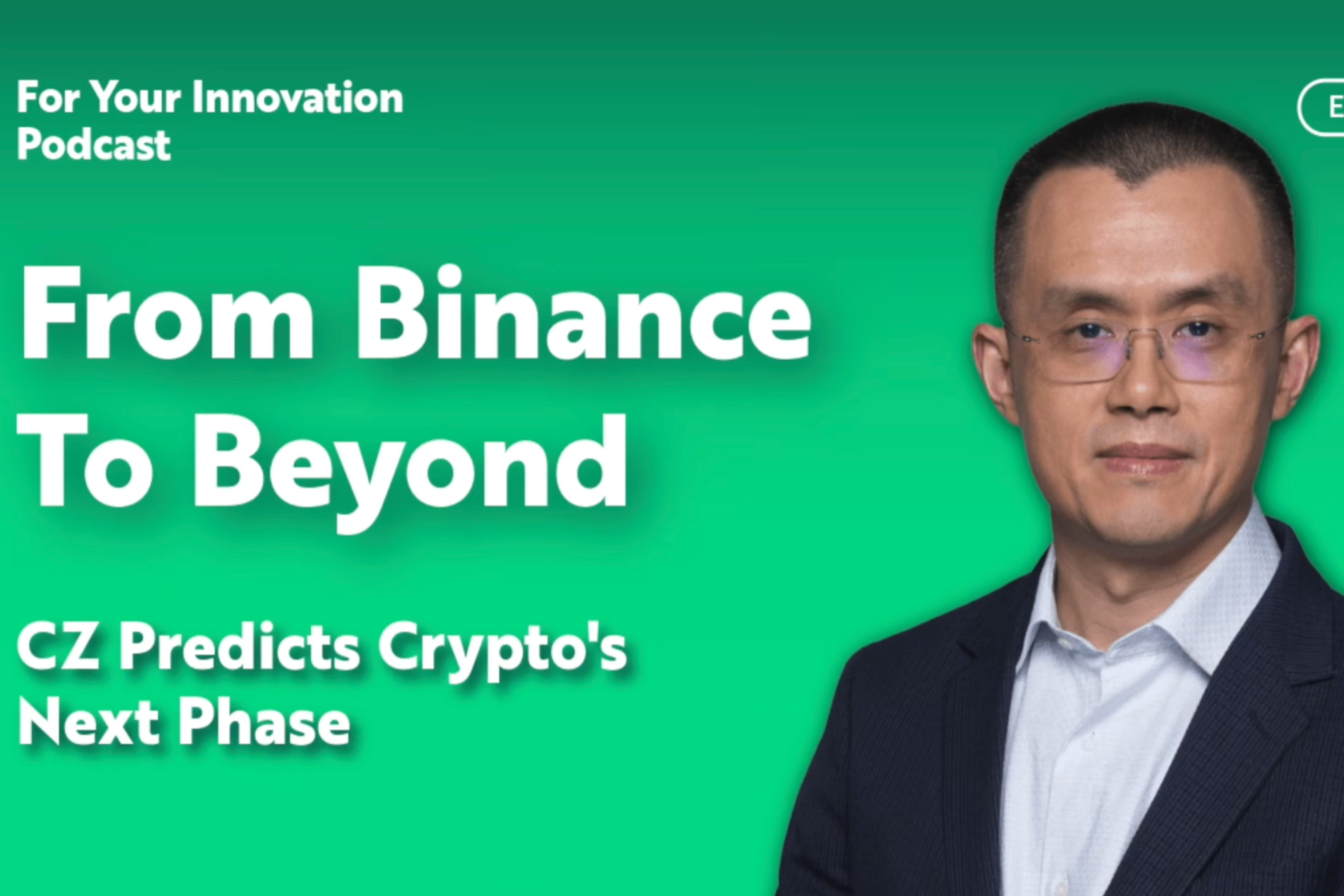
CZ argued crypto is not a standalone industry but a technology enabling faster, cheaper, and transparent financial transactions. Traditional finance firms can build their own blockchains, while crypto companies already offer lending, stock trading, and payments. Thus convergence is inevitable. CZ remains a strong supporter of decentralization but believes centralized platforms can coexist by providing low-cost, secure services and benefiting from network effects.
On L1 vs. L2, CZ highlighted that Base pays more in licensing fees to OP than it does in L1 gas fees, and Vitalik has recognized that L2s don't help L1, leading him to refocus on L1 development. CZ predicts L1 will remain dominant, with L2s recurring in cycles. Regarding perpetual futures, BitMEX invented them in 2014, Binance launched in 2019, and now CME offers them — increased liquidity benefits consumers. Prediction markets like Polymarket and Kalshi, backed by the CFTC, offer price discovery that CZ applauds.

Yzi Labs Portfolio: Impact Over Returns, 70% Crypto, 20% AI, 10% Biotech
CZ disclosed Yzi Labs' rough allocation: 70% crypto, 20% artificial intelligence, 10% biotechnology. The fund prioritizes impact over financial returns — for instance, investing $1 billion in a cancer therapy that cures millions but generates no profit would make him happy. While the failure rate is high among early-stage bets, standout projects include an artificial womb company (tested on mice, human trials in 5–10 years) and a knee cartilage regeneration technology using 3D-printed scaffolds (now entering human clinical trials). CZ also praised Hyperliquid for carving out a new niche without KYC — a segment Binance cannot serve — and noted their technical innovations despite centralized control.
For BNB Chain, CZ recommends major upgrades during bear markets, such as the upcoming version that promises higher speed, lower cost, and more privacy controls. He remarked that Vitalik's renewed attention to Ethereum's L1, driven by price pressure, validates the central role of L1.

AI Will Reshape Crypto, but Risks Are Real
CZ personally uses almost every major consumer AI — OpenAI, Claude, DeepSeek, Kimi — finding U.S. models more precise and Chinese ones occasionally lacking comprehensiveness. He warns that the AI arms race, while healthy in some aspects, could be dangerous: AI can autonomously hack systems, design nuclear weapons, and, if improperly regulated, potentially destroy civilization. In contrast, crypto cannot destroy civilization; it aids global trade and economic development.

Despite capital flowing into AI, people are trading AI stocks using crypto, boosting on-chain volume. CZ stressed that current payment systems are incompatible with AI agents (credit cards need 2FA, KYC requires passports), while blockchain is API-driven and AI-friendly. The future financial system will need AI, blockchain, and internet infrastructure to work together. Money flowing into AI will eventually move through blockchains.

CZ concluded that crypto will not fade — it will become an enormous industry, more certain than ever.