
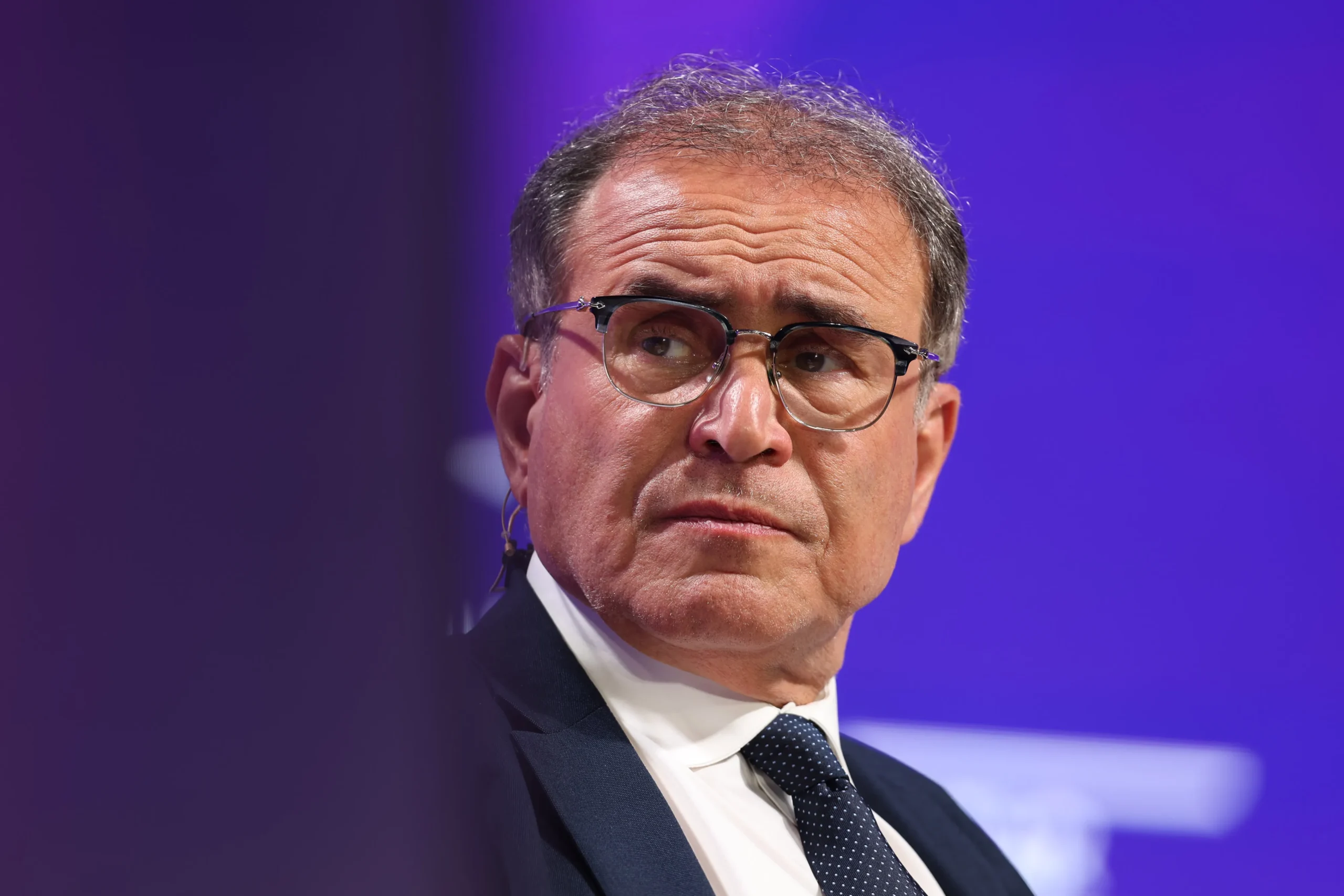
Economist Nouriel Roubini, known as "Dr. Doom" for predicting the 2008 financial crisis, dropped a fresh warning at the Lake Como economic summit: U.S. President Donald Trump likely will escalate the war against Iran rather than de-escalate, driven by a strong win motive alongside Israeli Prime Minister Benjamin Netanyahu.
Escalation Probability Exceeds 50%, Target Is Regime Change
Roubini put the baseline probability of escalation at over 50%. He argued that a full-scale offensive by the U.S. and Israel could topple the Iranian regime—spiking oil prices in the short run but possibly leading to a more stable Middle East over the long term. Meanwhile, Iran and Israel exchanged missile strikes on Friday, with Tehran expanding targets to multiple Gulf states. Trump had just extended the deadline for Iran to reopen the Strait of Hormuz, threatening to strike its power facilities otherwise.
Both Trump and Netanyahu, Roubini said, have strong incentives to push for a decisive victory, making escalation the likely path.
Tail Risk: 1970s Oil Crisis Redux, Inflation Pressures Build
On the economic front, Roubini highlighted a "tail risk": if Iran steps up attacks on regional oil infrastructure, the global energy supply could face a shock reminiscent of the 1970s crisis. Several nations have already cut output forecasts and are bracing for energy-driven inflation. "Oil prices will not return to pre-war levels even if the war ends tomorrow," Roubini said. He added that a 10%–15% surge would not be a tragedy for the global economy.
Fed and ECB Forced to Hike as Inflation Expectations Unanchor
Rising oil and gas costs are forcing Germany, Italy and other European countries to downgrade growth outlooks. The European Central Bank last week issued a more pessimistic regional forecast. Roubini expects the ECB to start hiking in April or even June, with the Bank of England likely to follow. For the Fed, he said incoming Chair Kevin Warsh (taking over from Jerome Powell in May) cannot afford to lose credibility early in his term. "The Fed almost lost its credibility in 2022 by hiking too slowly. Warsh will not repeat that mistake," Roubini asserted. Facing the risk of unanchored inflation expectations, rate hikes are almost inevitable.
Geopolitical jitters have already rattled crypto markets. When Iran’s Revolutionary Guard threatened to re-block the Strait of Hormuz earlier, Bitcoin briefly slumped below $68,000. JPMorgan CEO Jamie Dimon said the Iran conflict could bring long-term stability to the Middle East but warned of short-term capital flight risks. Iran itself has proposed three conditions for safe passage, though shipping firms remain skeptical.