
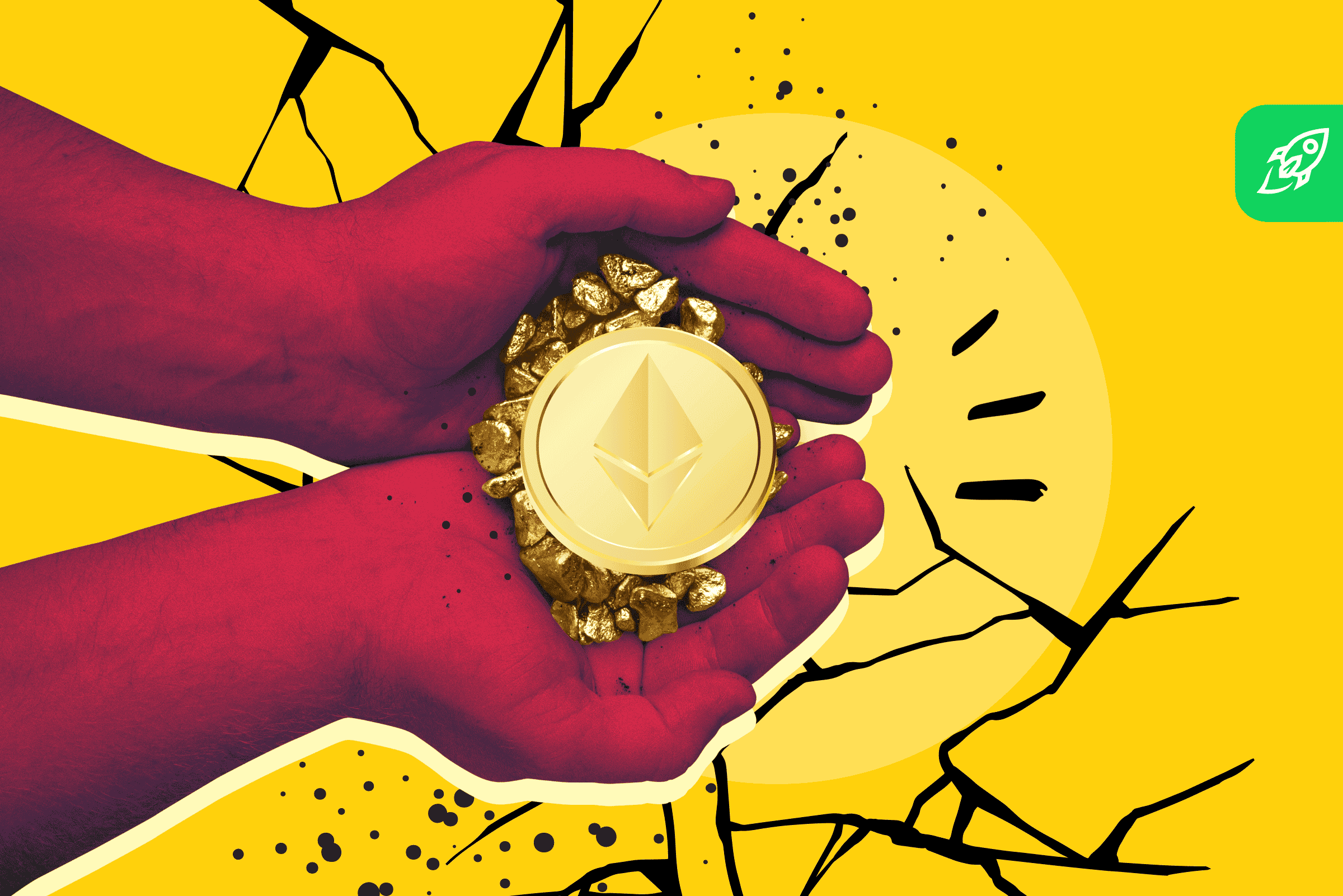
On September 15, 2022, Ethereum mainnet merged with the Beacon Chain, officially shifting from proof of work (PoW) to proof of stake (PoS). The change means ETH can no longer be mined — GPU rigs and ASICs that once verified blocks are now idle for the network. Instead, holders can stake at least 32 ETH to become validators, earning inflation rewards.
From Ethash to Staking: Algorithm Shift
Ethereum originally used the Ethash algorithm, designed to be ASIC-resistant, favoring consumer GPUs over specialized mining machines. Bitcoin's SHA-256, by contrast, heavily favors ASICs. This accessibility drove a boom in DIY mining from 2017 to 2022, with enthusiasts building multi-GPU rigs at home.
Profitability Under PoW
Miner revenue depended on block rewards (initially 5 ETH, later 2 ETH, plus uncle rewards and fees), network difficulty, and ETH price. But electricity was the killer cost: at $0.20–$0.50 per kWh, high-end rigs often saw margins squeezed. Combined with hardware depreciation, cooling, and space rental, small miners faced volatile returns.
Pool and Cloud Mining Alternatives
To reduce costs, many joined mining pools like Ethermine or F2Pool, sharing rewards proportional to contributed hashrate. Cloud mining services offered rental hashrate but were often tied to scams — some were exposed as Ponzi schemes. After the merge, most pools stopped ETH operations, pivoting to other PoW coins or shutting down.
Post-Merge: Hardware Disposal and New Paths
Miners had anticipated the switch. Many migrated GPUs to mine Ravencoin, Ergo, or Ethereum Classic — all still PoW. Yet those networks lacked Ethereum's scale, making per-hash returns significantly lower. Others sold off equipment; GPU prices on secondary markets plunged. For those wanting to stay in the Ethereum ecosystem, the route is staking — either running a validator node or joining staking pools like Lido and Rocket Pool, earning roughly 4%–6% APY, albeit with price and node risk.
The end of Ethereum mining marks a major inflection point for PoW blockchains. Miners now face not just a technological shift, but a fundamental rethinking of how to participate in crypto consensus.