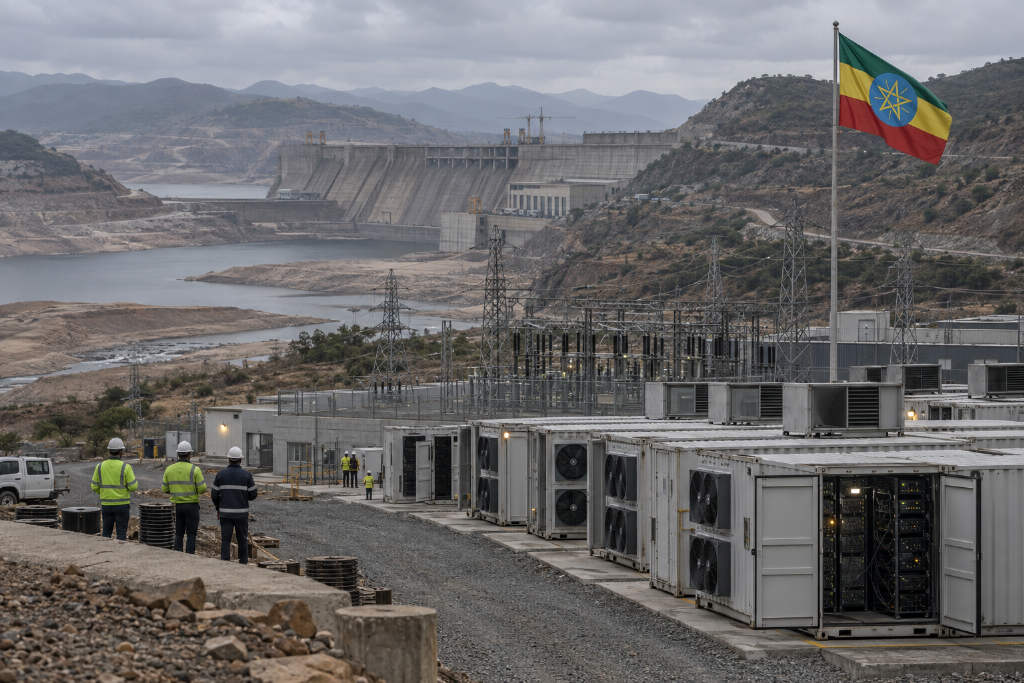
Ethiopia has cut electricity supplied to the Bitcoin mining sector by 75%, according to a Bloomberg-cited report carried by BlockBeats on Sept. 15. The move follows a sharp drop in inflows to the country’s hydroelectric dams, which the report linked to the El Niño weather pattern.
The figures cited in the report show how significant the sector has become for the national power utility. Over the past fiscal year, Bitcoin mining companies accounted for 35% of revenue at Ethiopian Electric Power Corp. At the same time, their electricity consumption represented nearly one-third of the country’s total generating capacity of 9,730 megawatts.
The reduction in supply points to mounting pressure on mining operations in Ethiopia, where power availability is closely tied to hydropower conditions. Bloomberg’s account, as cited by BlockBeats, said the large-scale restrictions could deal a serious blow to local miners’ operations.
Ethiopia has reduced electricity supplied to the Bitcoin mining industry by three-quarters, according to a Bloomberg report cited by BlockBeats on Sept. 15.
The report said inflows into Ethiopia’s hydroelectric dams fell sharply because of the El Niño weather pattern. Ethiopian Electric Power Corp has since cut power delivered to Bitcoin miners.
Data cited in the report showed that, in the past fiscal year, Bitcoin mining companies contributed 35% of the utility’s revenue. Their electricity use also accounted for nearly one-third of the country’s total power generation capacity of 9,730 megawatts.
The large-scale power curbs could deliver a serious hit to local mining operations.
This article was originally published by Bit.Fan. For more cryptocurrency news and market insights, visit www.bit.fan. Disclaimer:
The market information, project data, and third-party content displayed on this platform are for industry information sharing only and do not constitute any form of investment advice or return commitment.
Cryptocurrency trading carries high risks. Users should fully assess their risk tolerance and make independent decisions. All profits, losses, and legal responsibilities are borne by the users themselves.