
ChainCatcher reported that Evan Conrad published an article on Oct. 22 titled The end of startups, with the subtitle The coming credit crunch.
In the article, Conrad said most AI startups will be unable to buy compute within the next six months. He wrote that global compute capacity is already sold out, and that securing new capacity now requires signing for new clusters. For non-investment-grade entities, getting access to capacity coming online is becoming harder.
Prepayment demands are rising for non-investment-grade buyers
Conrad said startups are not investment grade, and because of that they are being asked to make increasingly large upfront payments. He said he has seen contracts that required 100% prepayment, adding that lenders and cloud providers are no longer willing to take on additional credit risk.
He also said investment-grade tenants are scarce. Some, he wrote, have been downgraded after adding leverage and then reselling to non-investment-grade token buyers. He described that dynamic as a credit bottleneck.
Token buyers may face tighter credit standards
Conrad expects investment-grade GPU buyers to increasingly require token buyers themselves to be investment grade, or to pay large deposits in advance.
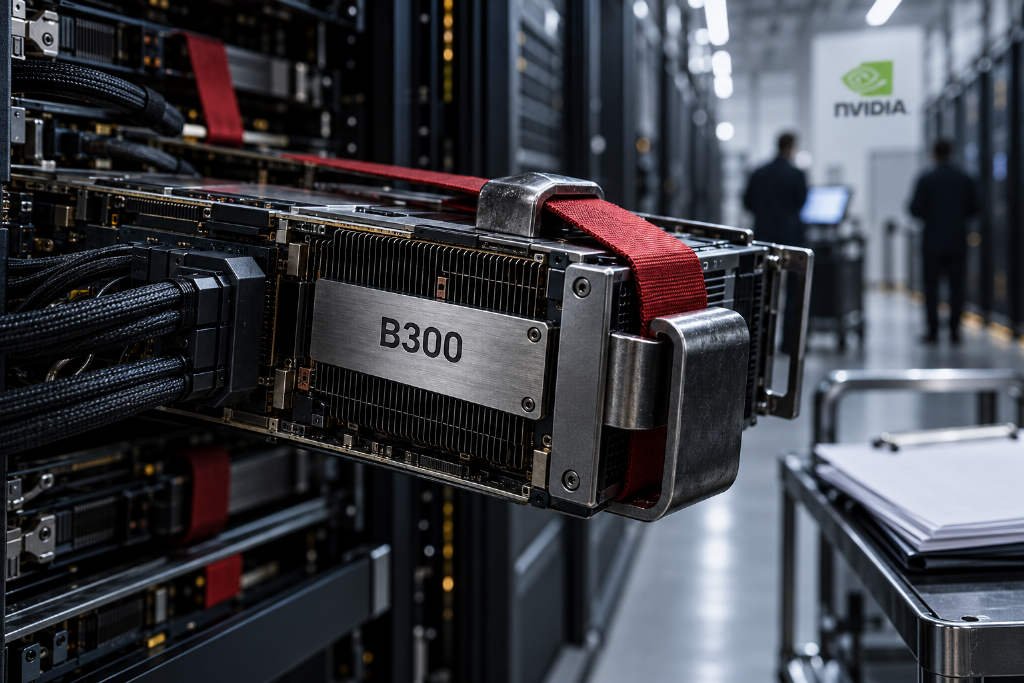
As an example, he wrote that at the time of writing, B300 capacity could be bought for $6 per hour and then sold for inference at about $30 per hour. Based on that setup, he expects GPU prices to rise, gross margins at the inference layer to fall, and customers with weaker credit to have a harder time obtaining tokens.
GPU clusters proposed as collateral
To address the issue, Conrad proposed that lenders treat GPU clusters as collateral. He also said SF Compute, a physically delivered forward market for compute, could allow lenders to use GPU hours on a liquidity book as collateral rather than relying on a cluster from a single service provider.



