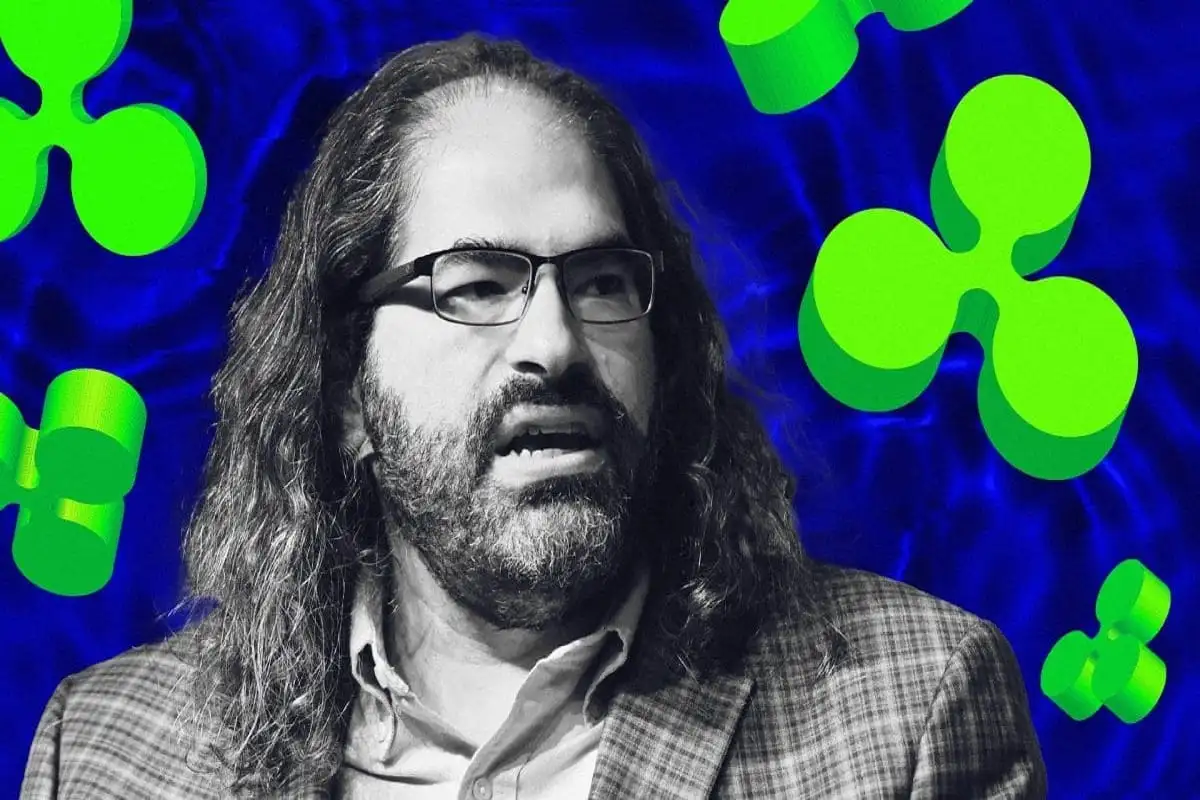
David Schwartz, former Chief Technology Officer of Ripple, has drawn a firm line between internet memes and serious investing. In a post on X, the Ripple veteran warned community members against treating XRP-related memecoins as legitimate financial assets. The backlash was triggered by growing pressure on Schwartz to publicly back the FUZZY token, a memecoin linked to the XRP Ledger's early history.
A Trust Line Is Not an Endorsement
The controversy escalated earlier this month after Schwartz opened a technical trust line for the FUZZY token on the XRP Ledger. Though a routine procedure for testing wallet functionality, it quickly fueled speculation across the XRP community. Schwartz quickly shut down those narratives. 'Adding a trust line is a standard technical process used for testing wallet functionality on the XRP Ledger,' he stated. 'Blockchain actions should never be viewed as investment advice or project endorsement.' He emphasized he knows 'almost nothing' about the FUZZY project, describing it as 'an amusing internet phenomenon' rather than a meaningful financial asset.
Schwartz expressed frustration that ordinary blockchain interactions are being misinterpreted as hidden signals. He agreed with users who characterize memecoins as assets driven primarily by buyer optimism and the expectation of future buyers entering the market. 'Building serious investment portfolios around those assets looks unreasonable,' he said.
Breaking the Fuzzybear Nostalgia
The FUZZY token name references the historic 'Fuzzybear' wallet linked to Ripple's early development in 2013. Some long-time XRP supporters assumed Schwartz maintained a deeper involvement due to that connection. However, Schwartz firmly rejected those assumptions, reiterating that he knows very little about the FUZZY project and that the trust line action was purely technical.
As one of the most recognized figures in the XRP ecosystem, even minor wallet activity by Schwartz often triggers widespread social media speculation. His latest remarks reflect growing irritation with such interpretations. He made it clear that technical blockchain interactions should not automatically create investment narratives, adding a broader caution about memecoin speculation across the cryptocurrency sector.
Schwartz's blunt rejection adds fuel to ongoing debates within the XRP community about the line between entertainment-driven tokens and genuine investment strategy. His message: internet culture is not a financial roadmap.