
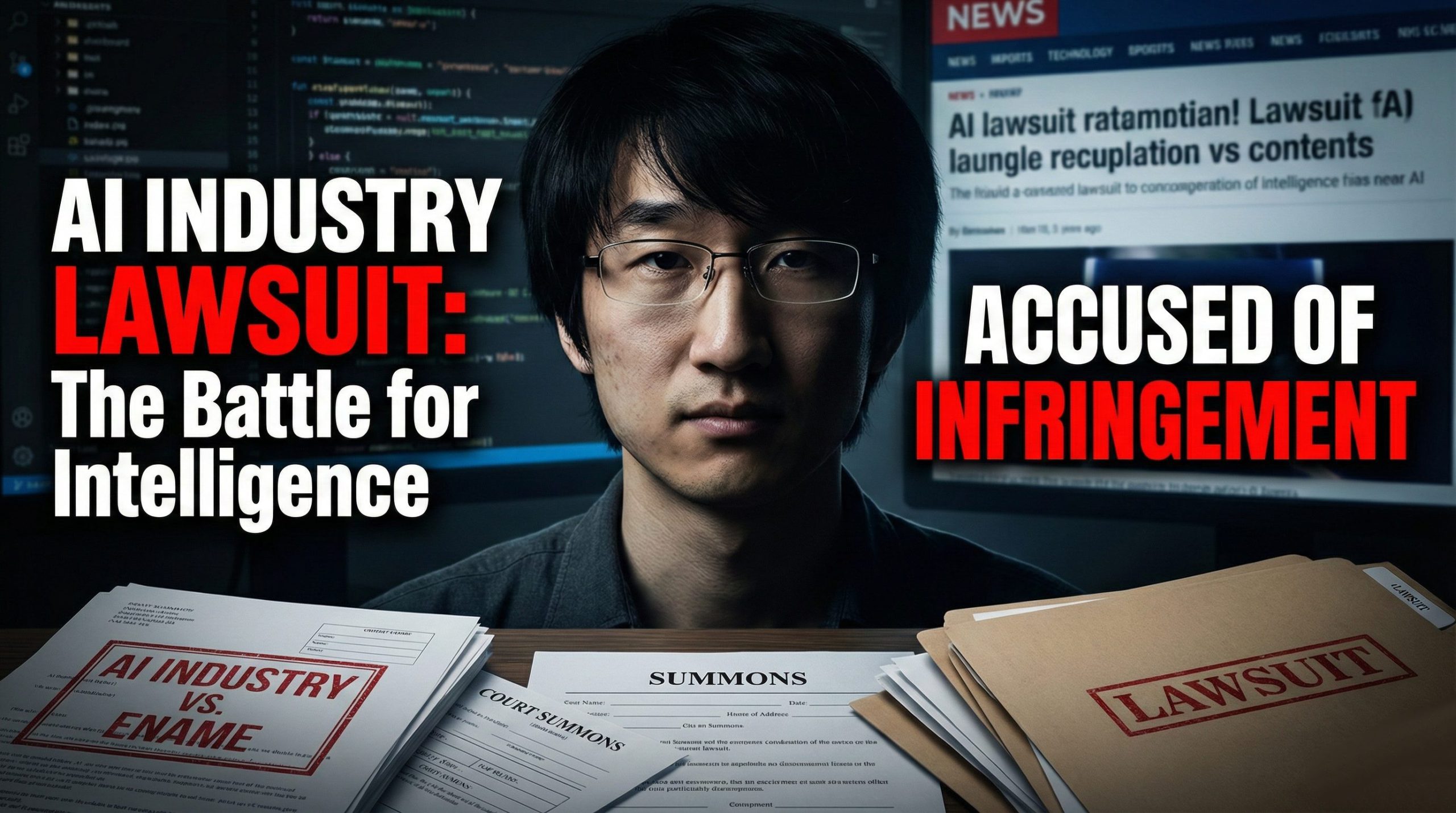
In September 2025, Elon Musk publicly accused Xuechen Li, a former senior engineer at xAI, of stealing the company's core AI technology. According to court filings, Li used his privileged access in mid-July to download the unreleased Grok 4 training algorithms, weights, and nearly the entire xAI codebase, then tried to delete server logs, clear browser history, and rename files to cover his tracks. xAI filed a civil lawsuit in California seeking up to $1 billion in damages, marking the first trade secret dispute in Silicon Valley's generative AI arms race that could be prosecuted as a federal felony.
FBI Raids and Criminal Exposure
The Federal Bureau of Investigation (FBI) has opened a criminal probe into Li, executing search warrants at his home, vehicle, and hotel room, seizing phones, computers, hard drives, and notebooks. Prosecutors allege a direct link between Li's acceptance of OpenAI's offer—$3 million annual salary plus a $5 million signing bonus—and his theft of xAI's secrets. If convicted, Li faces charges under the Economic Espionage Act, similar to the case of former Google engineer Linwei Ding. During the civil discovery phase, Li's legal team advised him to invoke the Fifth Amendment to avoid self-incrimination, leading to a fierce legal battle over device passwords and cloud account access.
Career Freeze and Court Injunction
A temporary restraining order (TRO) was issued, and after a hearing in late 2025, the court largely maintained the ban, prohibiting Li from working on generative AI for OpenAI or any competitor until the case is resolved. A preliminary injunction hearing scheduled for January 20, 2026 will determine whether the TRO becomes a longer-term injunction. Court documents show Li joined xAI before its Series B in early 2024, with an equity package valued at around $2 million. He cashed out approximately $7 million in xAI stock before resigning.
Industry Blacklist and Aftermath
Industry sources say Li has been blacklisted by OpenAI, Google, and Meta, as no major AI firm wants to risk hiring someone embroiled in a theft scandal. Despite OpenAI's employment offer, the court order prevented Li from actually starting work. Some Chinese netizens on Zhihu speculated that Li's actions may have been a naive attempt to keep code he wrote, but the timing—amid Musk's public feud with OpenAI CEO Sam Altman—turned it into a high-profile case. Regardless of intent, Li's career in the global AI industry appears effectively over.