
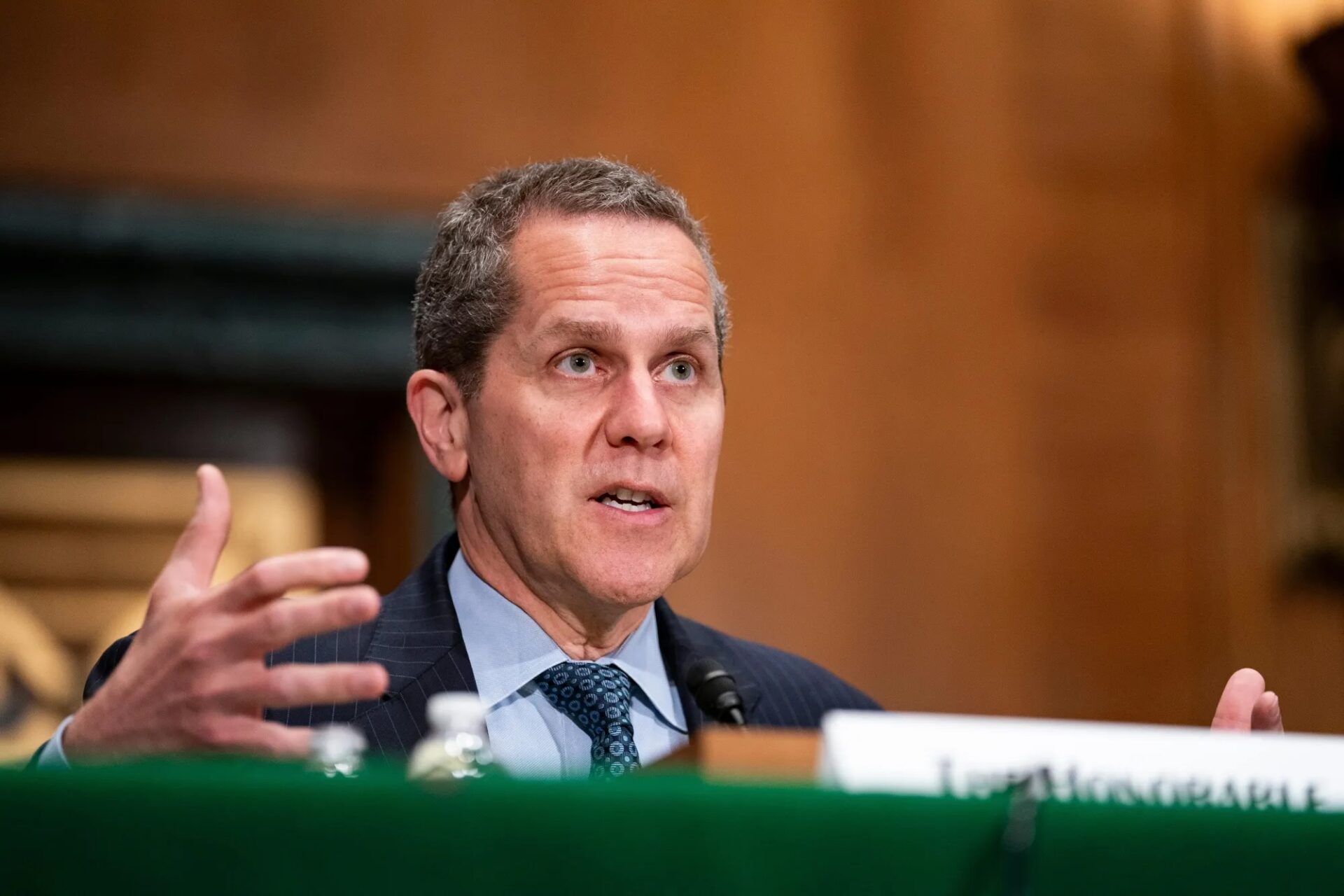
Federal Reserve Governor Michael Barr said in a public speech that stablecoin oversight cannot stop at legislation, warning that financial instability seen in earlier periods of weak regulation could return if proper safeguards are not built. He said the GENIUS Act creates an initial legal framework for stablecoins, but does not remove the underlying risks.
Barr argued that the real issue is not the existence of a law by itself, but whether regulators can turn that law into clear and enforceable rules. If those rules are incomplete, gaps in the system will remain, leaving stablecoin issuers and users exposed to avoidable stress.
Reserve assets and redemption strength remain central
Barr said a stablecoin is only as stable as its ability to maintain 1:1 redemption on demand in all market conditions. That depends on the issuer’s asset management practices, but also on the quality and liquidity of the reserves backing the token.
He warned that even government securities, often treated as safe assets, can face liquidity pressure during market stress. If reserves cannot be converted quickly enough, redemption capacity may weaken. That can damage market confidence and trigger runs similar to those seen in money market funds during past financial crises. Barr also noted that issuers may have incentives to seek higher returns by taking on more risk, which could make stablecoins less secure.
Secondary-market circulation raises AML concerns
Barr also pointed to illicit finance risks. Because stablecoins can circulate freely in secondary markets, some transactions may occur without sufficient user identification, creating openings for money laundering or the financing of illegal activity.
That issue has become one of the major points of contention in US legislative debate. It has also affected the progress of another market structure proposal, the CLARITY Act, showing that compliance concerns are not limited to one bill.
Key details still depend on rulemaking and coordination
Barr said the GENIUS Act should be viewed as a starting point. Major questions still need to be addressed in follow-up rules, including standards for reserve oversight, capital and liquidity requirements, consumer protections, and limits on issuer activities. Coordination across agencies will also matter, since fragmented supervision could weaken enforcement.
As stablecoins expand beyond trading into cross-border payments, corporate treasury management, and trade finance, their role inside the financial system is growing quickly. Barr’s remarks indicate that the US policy debate is moving past whether to legislate and toward how those rules will actually be applied.