
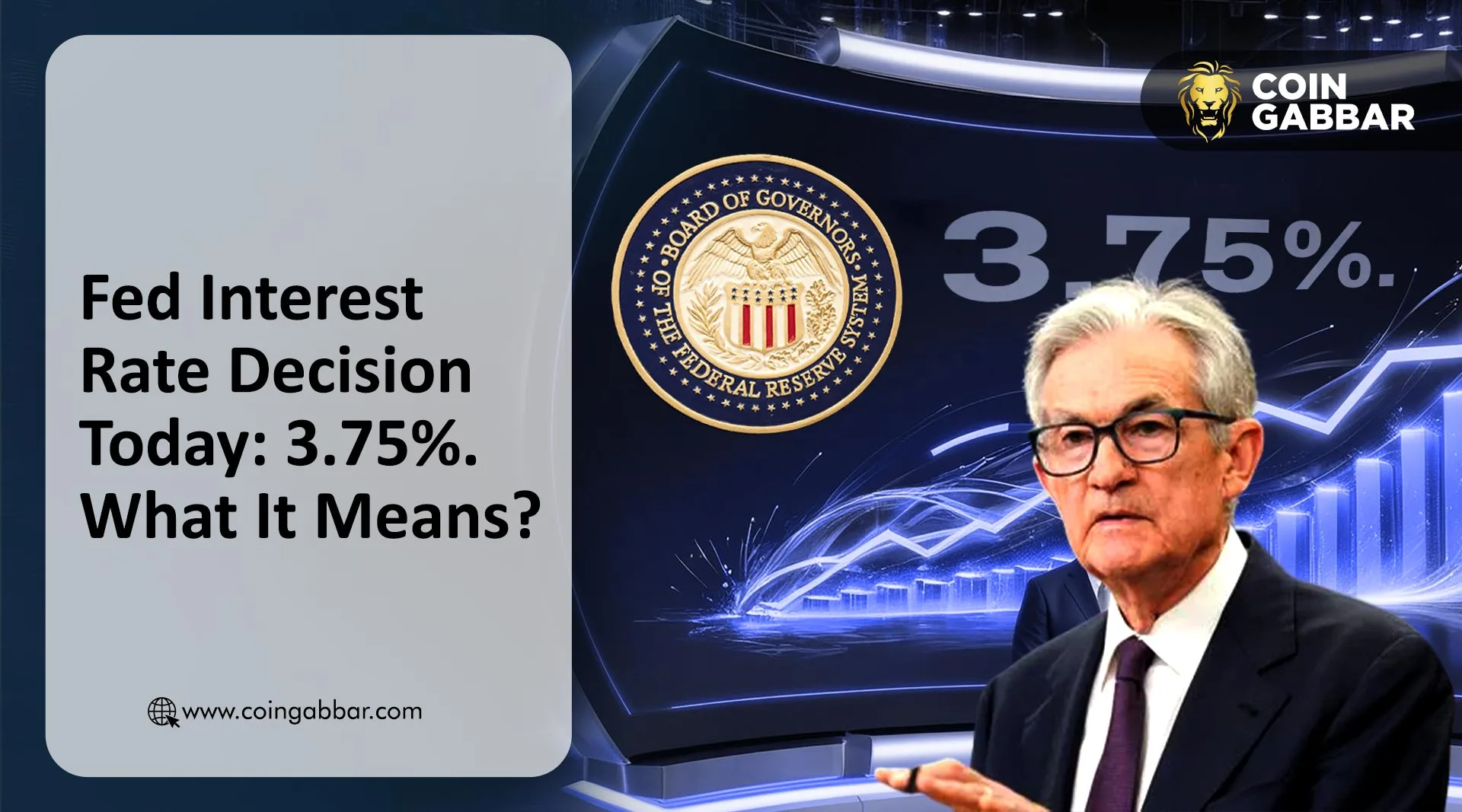
The Federal Reserve kept the federal funds target range at 3.5% to 3.75% on January 29, 2026, matching broad market expectations. In its FOMC statement, the central bank said economic activity has continued to expand at a steady pace, job gains have been limited, and inflation remains somewhat high. That mix left policymakers unwilling to move rates in either direction for now.
Policy stays on hold as inflation and employment send mixed signals
The FOMC repeated that its long-run goals remain maximum employment and 2% inflation. Officials said uncertainty around the economic outlook is still elevated, and the Committee is watching risks on both sides of that mandate. The message was clear: inflation pressure has not fully faded, while labor-market momentum is no longer strong enough to make the policy choice straightforward.
The statement also said any future change in the federal funds rate will depend on incoming data, changes in the outlook, and the balance of risks. Policymakers said they will weigh labor-market conditions, inflation pressure, financial developments, and international developments. The language did not point to an immediate shift. It kept the focus on flexibility.
Ten members supported no change, while two dissented for a cut
Ten FOMC members, including Chair Jerome Powell and Vice Chair John C. Williams, voted to leave rates unchanged. Two officials, Stephen Miran and Christopher Waller, dissented and preferred a 0.25% rate cut instead. Their votes showed that debate inside the Committee is still active, especially around how much weight should be given to softer job growth.
Those dissenting votes matter because they point to a real split in policy preference. Even so, the majority view was to wait rather than adjust rates immediately.
Powell says no option is off the table, but a hike is not the baseline
Jerome Powell also addressed speculation over the FOMC’s next move. He said no alternatives are being ruled out, yet a rate increase is not part of the baseline expectation at this stage. Powell added that the Fed will review incoming information carefully before changing its stance.
That leaves policy without a preset path in the near term. Rate decisions will rest on how inflation, employment, and broader financial conditions develop from here.
Markets expected a hold, attention now shifts to internal division
Investors had widely expected the Fed to leave rates unchanged, so the announcement largely confirmed the existing policy stance. The central bank appears comfortable holding rates steady while growth remains moderate and inflation pressure persists. At the same time, the split vote showed that not all officials agree on how long that wait should last.
For markets, the key takeaway was not only the unchanged rate range but also the fact that some policymakers already favor easing. The rate stayed put. The policy debate did not.