
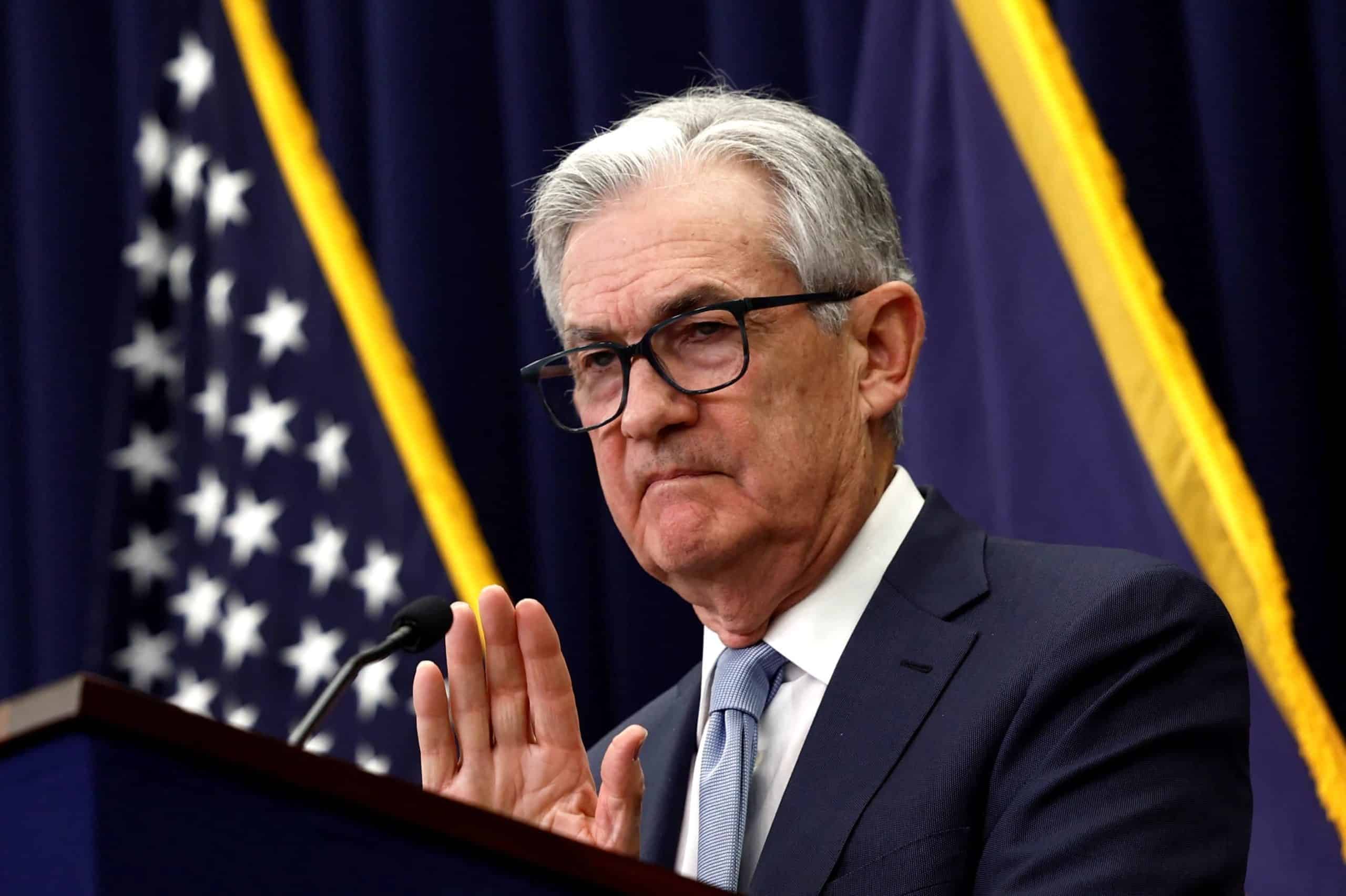
The Federal Reserve held interest rates steady on Wednesday, but the decision revealed the most severe internal dissent in three decades, dashing hopes for a near-term rate cut. Bitcoin briefly slumped below $75,000 before paring losses, while most major cryptocurrencies extended declines.
The Federal Open Market Committee voted 8-4 to keep the federal funds rate at 3.5%-3.75%. The four dissenters split: Stephan Miran pushed for an immediate cut, while Beth Hammack, Neel Kashkari and Lorie Logan agreed to hold rates but objected to the dovish language in the statement.
The post-meeting statement cited persistently high inflation due to rising global energy prices and heightened uncertainty from geopolitical developments in the Middle East.
Rate-Cut Hopes Dashed?
Bitcoin dropped from $76,000 to as low as $75,000 after the decision, later recovering to $76,227. Ethereum, Solana and XRP continued to slide, hitting two-week lows.
The market had fully priced in a hold — CME's FedWatch tool showed nearly 100% probability before the meeting. Analysts said the real shock came from the deep division among policymakers and the cautious tone of the statement.
Matt Mena, senior research strategist at crypto asset manager 21Shares, noted that Wall Street and crypto circles had pinned rate-cut hopes on Fed chair nominee Kevin Warsh, viewed as more flexible and dovish than Jerome Powell. Warsh's nomination cleared a key Senate committee vote earlier Wednesday, moving to a full Senate vote.
Powell said he would remain as a Fed governor after his chair term ends on May 15, with no set timeline. He reiterated he would not leave unless the criminal investigation into the Fed is transparently concluded. Powell's decision prevents Trump from appointing a new governor, limiting government intervention. Powell's governor term runs until January 2028, coinciding with the end of Trump's presidency.
Fed's Move Not the Only Game in Town
Some analysts argue that rate decisions no longer single-handedly drive Bitcoin. Iggy Ioppe, CIO of investment firm Theo, said the GENIUS Act is the most important development. The bill designates Bitcoin as a digital commodity under CFTC jurisdiction, curbing SEC overreach, and provides a safe harbor for banks to hold crypto without punitive capital requirements. The bill is still in Congress, stalled by disputes over stablecoin provisions and ethical concerns.
Analysts also flagged that upcoming earnings from Big Tech — Alphabet, Amazon, Meta and Microsoft — are a key variable for risk assets. Sygnum Bank investment strategist Can-Luca Köymen warned that if these giants disappoint on AI monetization or guidance, the sentiment could quickly spill over, potentially overriding any policy signal from Powell.