
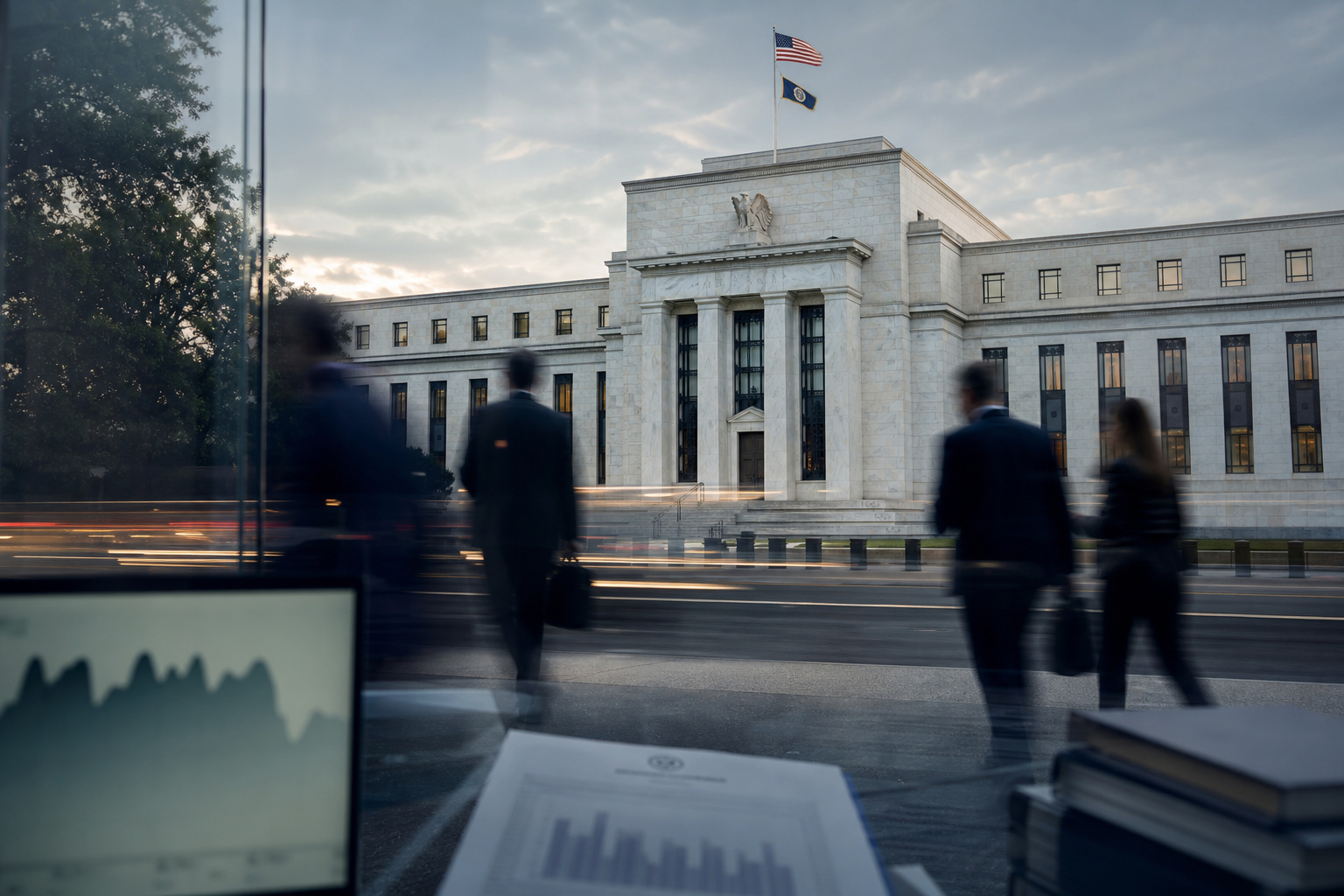
Since taking charge of the Federal Reserve in May, Warsh has faced a difficult monetary policy choice. A new run of weak macroeconomic data may now give the central bank more reason to stay on hold for longer.
Recent easing in inflation indicators has directly weakened the internal hawkish argument that inflation cannot cool without another rate increase. The U.S. Labor Department said on Thursday that the July Producer Price Index, or PPI, was unexpectedly flat on a month-over-month basis. Data released a day earlier also showed that the July Consumer Price Index, or CPI, posted only a slight increase after falling in June.
Hawks are still arguing for action
When the Fed decided to leave rates unchanged last month, Cleveland Federal Reserve President Hammack was one of three policymakers who dissented. She repeated her position publicly on Thursday, saying: “I think we need to act now, because I think we need to get inflation back to the 2% target at a faster pace than the long glide path implied by the current level of interest rates.”
White House pressure adds to the policy debate
Pressure has not come only from inside the Fed. Political intervention from the White House has also continued. Trump is still calling for steep rate cuts and has publicly accused Warsh’s “hostile” colleagues of getting in the way of lower rates.
Warsh, for his part, has stayed silent about his own plans and has avoided offering any form of forward guidance.
Markets are still pricing in tighter policy
Even with softer inflation data, markets are still pricing in the possibility of further tightening. According to the Chicago Mercantile Exchange’s FedWatch tool, investors currently see the probability of a Fed policy rate increase before year-end at above 90%.
The Fed is still caught between the risk of allowing inflation to become entrenched and the risk that higher borrowing costs could push unemployment higher. Reuters said a decision to leave rates unchanged in September is becoming the more likely outcome.