
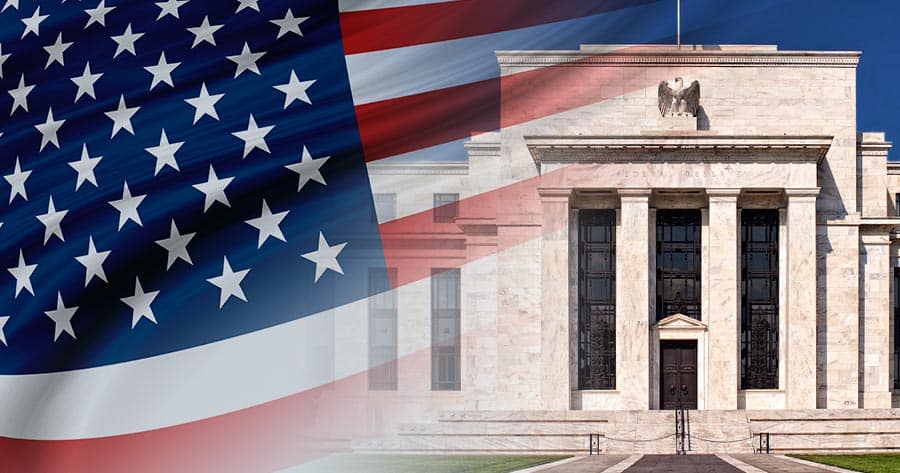
The Federal Reserve has unveiled a proposal for a “special purpose limited payment account,” a framework that could give fintech and crypto firms lower-barrier access to the Fed’s payment system and central bank settlement services. The proposal has now entered a 60-day public comment period.
In its statement, the Fed said many newer firms operate under business models that do not fit the structure of traditional banks. Under the proposed setup, those firms would not need to qualify for a full master account in order to conduct payment settlement through the central bank system. The practical appeal is clear: faster payments and lower operating costs, especially for crypto firms that have long depended on commercial banks as intermediaries.
Access would come with tight operating limits
Within the crypto industry, earlier versions of the idea were often described as a stripped-down master account. The Fed’s proposal keeps that logic. Institutions holding this type of account would not have access to intraday credit, could not use the discount window, and balances held at the Fed would earn no interest. The accounts would also be limited to payment services that include an automatic overdraft prevention mechanism.
The central bank said the new framework largely follows the prototype outlined in an information request published last December. After reviewing feedback gathered since then, it adjusted several elements. One of the most notable revisions is that the end-of-day balance cap would be tied to an institution’s expected payment activity, while the maximum balance ceiling has also been raised, giving firms more room to manage liquidity.
Kraken approval highlights the push for a uniform standard
In March, crypto exchange Kraken became the first crypto company to obtain a “limited master account.” That approval came from the Federal Reserve Bank of Kansas City, not through a systemwide authorization from the Federal Reserve Board in Washington. The Fed said it has asked regional Reserve Banks to pause action on certain applications until a unified federal framework is finalized across the country.
The timing is notable. One day before the Fed released its statement, President Donald Trump signed an executive order directing the central bank to reassess whether uninsured depository institutions, nonbank financial companies, and crypto firms should be allowed to obtain Fed master accounts and payment service access. The order also called for an investigation into whether the country’s 12 regional Federal Reserve Banks hold too much independent discretion in deciding who can use the Fed’s payment system.