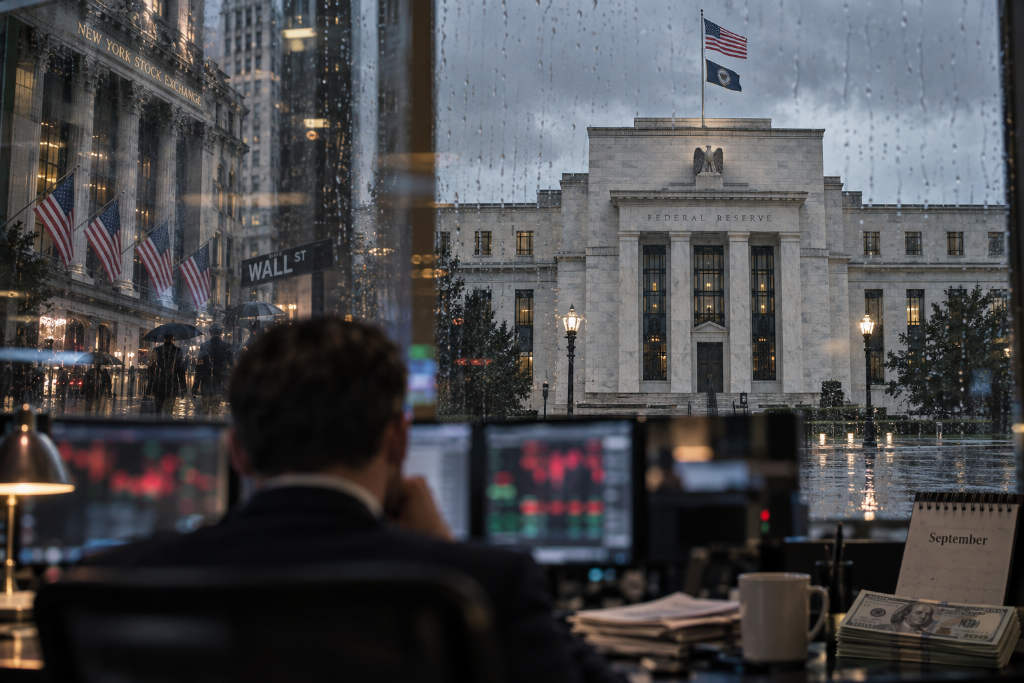
Rate-Hike Bets Rise for September as Wall Street Weighs a 1997-Style U.S. Stock Market Playbook

Rate-Hike Bets Rise for September as Wall Street Weighs a 1997-Style U.S. Stock Market Playbook

N
News Editor
2026-09-14 13:55:06
Expectations for a September Federal Reserve rate hike climbed after U.S. core CPI for August came in hotter again. Morningstar senior economist Preston Caldwell said core inflation still does not justify further delaying a hike, and that the odds of a move in September have increased noticeably. Prior hawkish signals from Fed Chair Wosh also added to that view. LPL Financial chief equity strategist Jeff Buchbinder argued that a rate hike does not automatically mark the end of a bull market in U.S. stocks. Looking across six tightening cycles since 1994, LPL found that the S&P 500 usually faces pressure in the first few months after the initial hike, but posts an average 12-month gain of 6.7%, with a median gain of 10.7%. LPL contrasted two historical outcomes. After the Fed began hiking in 2022, the S&P 500 saw a maximum drawdown of about 25% as recession concerns built. In 1997, by contrast, the index rose 42% over the following year, supported by economic growth and an internet investment boom. LPL said the current backdrop looks closer to the late 1990s than to 2022, though it does not expect a simple repeat of the 1997 rally. The key question, in its view, is whether higher rates ultimately lead to a recession.

BlockBeats reported on Sept. 14 that expectations for a Federal Reserve rate hike in September rose quickly after U.S. core CPI for August heated up again.

Preston Caldwell, senior economist at Morningstar, said core inflation still is not weak enough for the Fed to keep delaying a rate hike, and the probability of a September move has increased noticeably. Earlier hawkish signals from Fed Chair Wosh also reinforced that market view.

A hike does not automatically end a bull market

Jeff Buchbinder, chief equity strategist at LPL Financial, said a rate hike by itself does not mean the end of a bull run in U.S. stocks. Based on six tightening cycles since 1994, the S&P 500 typically comes under pressure in the first few months after the first rate hike. Over the following 12 months, however, the index posted an average gain of 6.7%, while the median gain was even higher at 10.7%.

2022 and 1997 produced very different outcomes

Historically, 2022 and 1997 led to sharply different results. After the Fed started hiking in 2022, the S&P 500 recorded a maximum drawdown of about 25%, with recession worries building afterward. In 1997, after the first rate hike, the S&P 500 climbed 42% over the next year as economic growth and an internet investment boom supported risk appetite.

LPL says the current setup looks closer to the late 1990s

LPL said the current environment is closer to the late 1990s than to 2022. The firm pointed to a U.S. economy that remains resilient, inflation that has picked up again but stays far below its 2022 peak, and an AI investment cycle that may continue to support corporate capital spending.

Still, LPL does not believe U.S. stocks will simply repeat the 42% gain seen in 1997. In its view, the key factor for what comes next is whether rate hikes eventually turn into an economic recession.

This article was originally published by Bit.Fan. For more cryptocurrency news and market insights, visit www.bit.fan.
200

Disclaimer:

The market information, project data, and third-party content displayed on this platform are for industry information sharing only and do not constitute any form of investment advice or return commitment.

Cryptocurrency trading carries high risks. Users should fully assess their risk tolerance and make independent decisions. All profits, losses, and legal responsibilities are borne by the users themselves.