
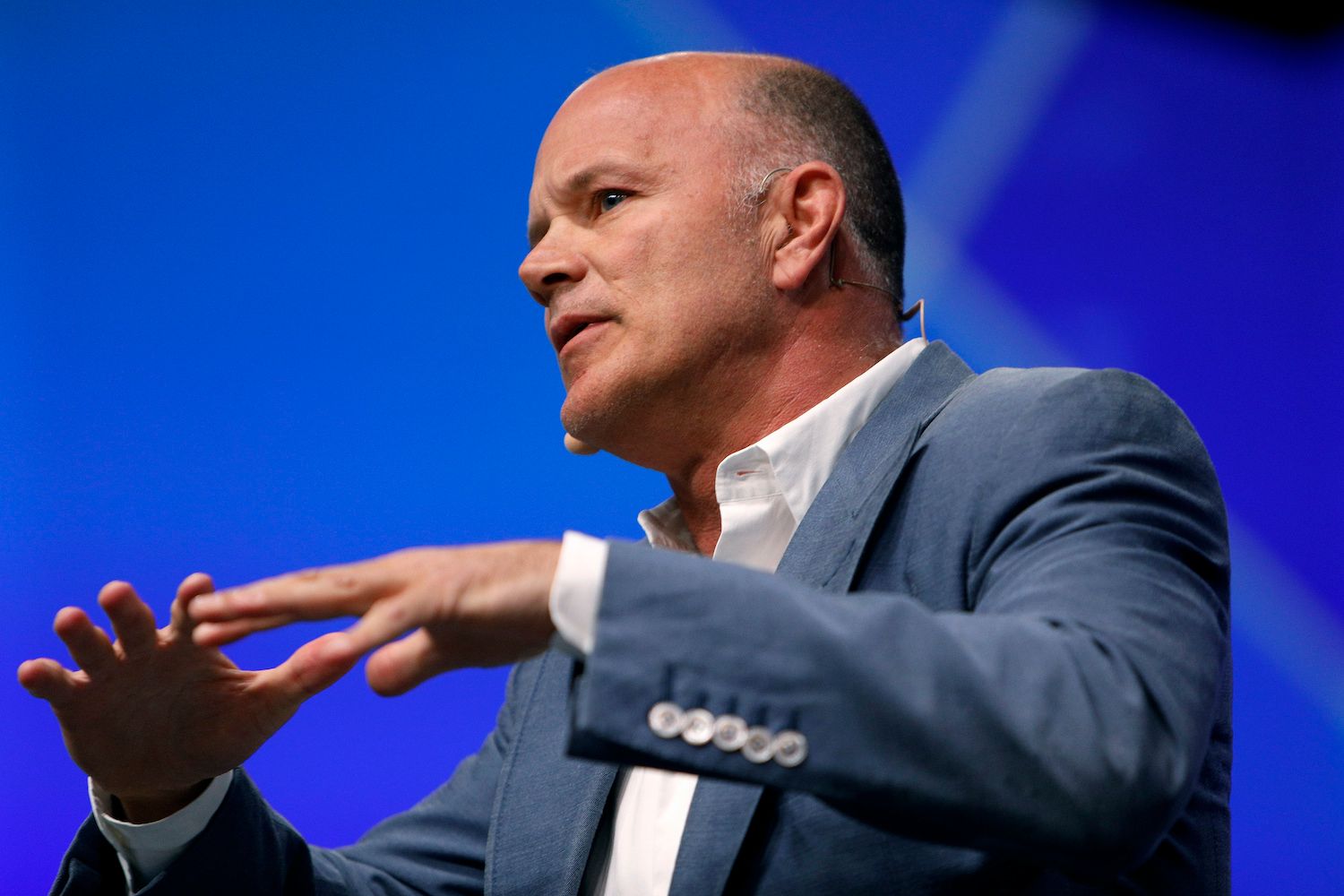
Galaxy CEO Mike Novogratz pushed back against the growing fear that quantum computing could break Bitcoin's cryptography, describing it as little more than a convenient excuse for selling.
“Quantum has been the big excuse for people,” Novogratz said during the firm’s earnings conference call on Tuesday. He downplayed the threat, arguing that while quantum computing is real, it remains in its early stages and Bitcoin's network will adapt. “In the long run, quantum will not be a huge issue for crypto. It’ll be a big issue for the world, but crypto, Bitcoin especially, will be able to handle it. But that’s been the excuse [for selling],” he added.
Quantum threat divides the crypto community
The debate over quantum's impact on Bitcoin's encryption has intensified recently. Last month, Jefferies’ global head of equity strategy, Christopher Wood, removed a 10% bitcoin allocation from his model portfolio citing quantum risks. Coinbase has acknowledged quantum computing as a long-term threat, and the Ethereum Foundation formally elevated post-quantum security to a strategic priority this month by creating a dedicated Post-Quantum team.
Novogratz remains confident that the Bitcoin network can upgrade in time. “As we get closer to quantum, we’re gonna get closer to quantum resistant. And you will have the Bitcoin code changed in time,” he said.
Some Bitcoin developers echo that view, noting no existing machine can crack Bitcoin’s cryptography and none is expected for decades. Yet for some investors, even a theoretical risk to bitcoin’s “store of value” thesis is enough to act on.
OGs cashing out: $9 billion bitcoin sale
Novogratz also touched on the behavior of long-term holders, or “OGs.” Last year, Galaxy facilitated a $9 billion sale of more than 80,000 bitcoin for a Satoshi-era investor — one of the largest notional bitcoin transactions ever, according to the firm. The seller cited estate planning. That massive liquidation has reignited questions about whether quantum fears are prompting early OGs to exit, though Novogratz maintains the real driver is personal financial planning, not technology panic.