
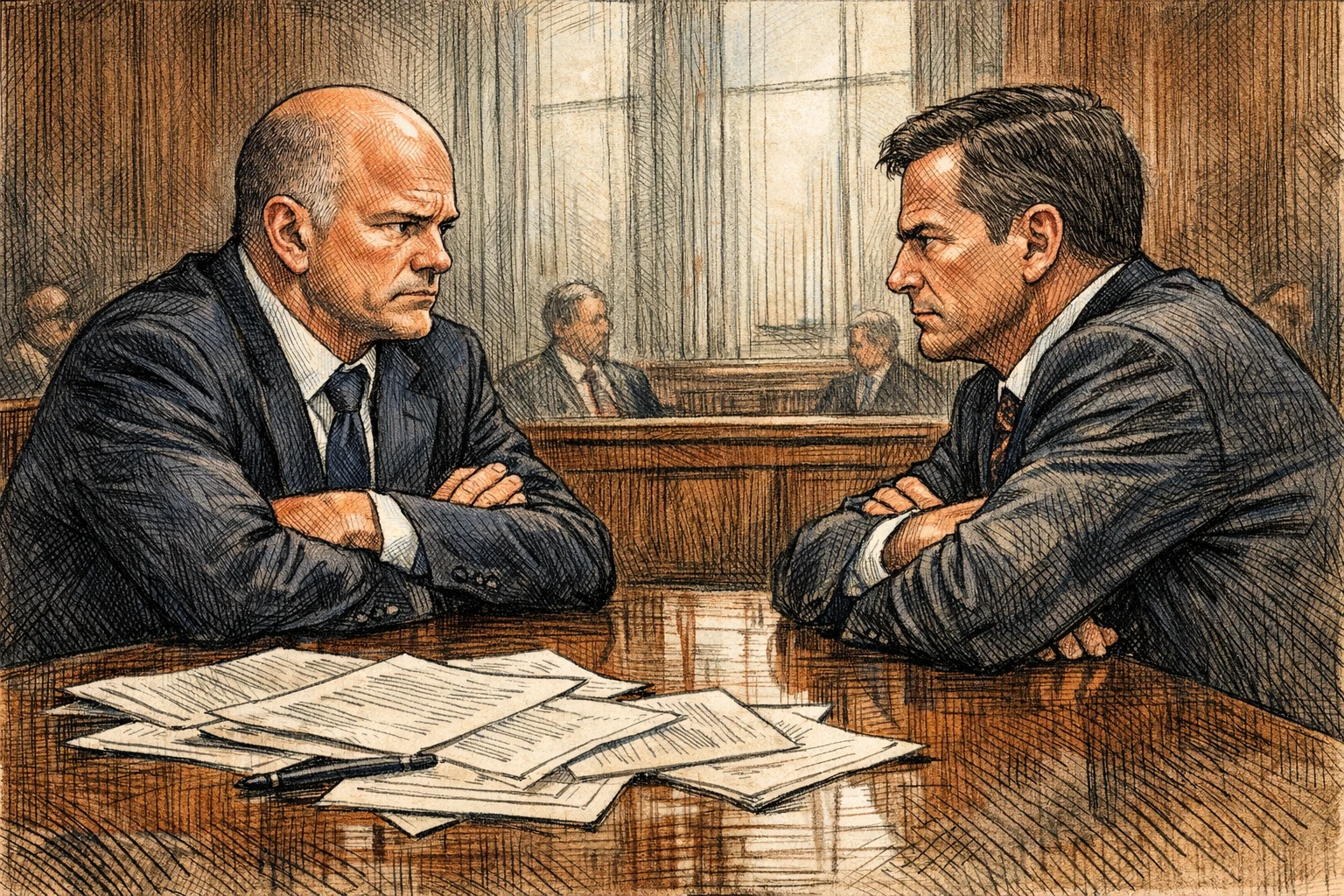
Galaxy Digital founder Mike Novogratz took the stand Tuesday in Delaware's Court of Chancery, facing off against BitGo CEO Mike Belshe over the failed $1.2 billion merger that once ranked as the largest crypto acquisition. The deal collapsed after the Terra crash, and now both sides are fighting over a $100 million termination fee.
Novogratz told the court he "really wanted to push the deal through" but acknowledged that under then-SEC Chair Gary Gensler, regulatory approval became "extremely difficult". "They made it extremely difficult," he testified.
The Rise and Fall of a Landmark Merger
In May 2021, Galaxy announced its plan to acquire crypto custodian BitGo for $1.2 billion, riding a bull market wave. Galaxy, founded by ex-Wall Street macro trader Novogratz, aimed to become a one-stop digital asset shop. BitGo provided institutional-grade custody infrastructure. But in August 2022, after the Terra/LUNA collapse and a cascade of crypto credit crises, Galaxy pulled out, citing BitGo's failure to deliver required financial statements on time.
BitGo fired back with a lawsuit demanding $100 million for breach of contract, accusing Galaxy of concealing that BitGo was under regulatory investigation. Galaxy countersued, claiming BitGo had forfeited any termination fee by missing the financial disclosure deadline.
SEC's SAB 121 at the Heart of the Dispute
A central issue in court is Staff Accounting Bulletin 121, which forced firms to treat client crypto holdings as liabilities — a rule widely criticized as a barrier to institutional entry. Novogratz argued that SAB 121 made financial comparisons between the two firms "extremely complicated" and ultimately fatal to the deal. BitGo's Belshe testified that Galaxy's public claims about its accounting problems were "extremely damaging."
The trial is unfolding against the backdrop of the Gensler-era crackdown, which saw multiple enforcement actions and the imposition of SAB 121. Although new SEC Chair Paul Atkins scrapped SAB 121 in 2025 and the Trump administration has pushed friendlier crypto policies, legacy disputes from that era continue to unwind in court. This case is among the most symbolic holdovers.
Implications for Asian Markets
Both Galaxy and BitGo have Asian footprints. Galaxy operates out of regional hubs, and BitGo offers custody services via Singapore. A ruling ordering Galaxy to pay $100 million could set a precedent on enforceability of termination clauses in crypto M&A contracts, influencing future cross-border deals involving Asian firms.
The trial is expected to conclude by the end of this week. The Delaware Court of Chancery, highly authoritative in corporate and contract law, will decide whether BitGo is entitled to the termination fee. Neither Galaxy nor BitGo has commented further on the proceedings.