
Global Fragility and Liquidity Risk: Economic Strains from Supply Chain Disruption
In its latest monthly report, Metrics Ventures emphasizes that continuous global supply chain disruptions since 2022 have severely eroded the fiscal and monetary autonomy of economies including Japan, South Korea, and Europe. These nations now face dwindling policy space to address inflation and stagnant growth, quietly accumulating momentum for future shocks in global capital markets. Market trends confirm this assessment: outside of AI and select non-ferrous metals sectors, liquidity is effectively drying up. Although a Bitcoin collapse is not imminent, the aforementioned vulnerable countries are increasingly doubling down on concentrated trades—a desperate gamble unlikely to end well given the current geopolitical and economic landscape.
Technical Signals: Concentrated Trading Reaches Late Stage, Algorithmic Risk Builds
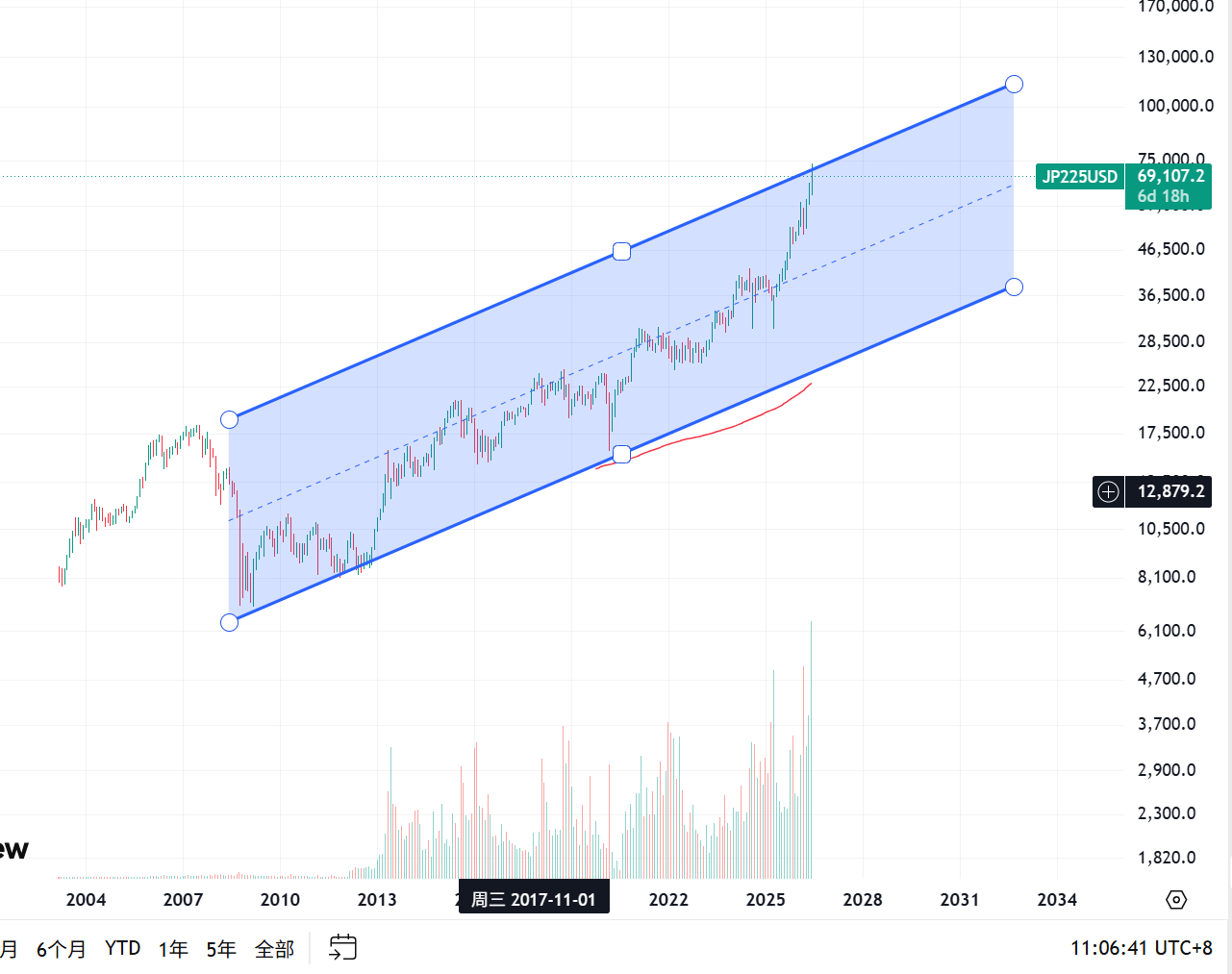
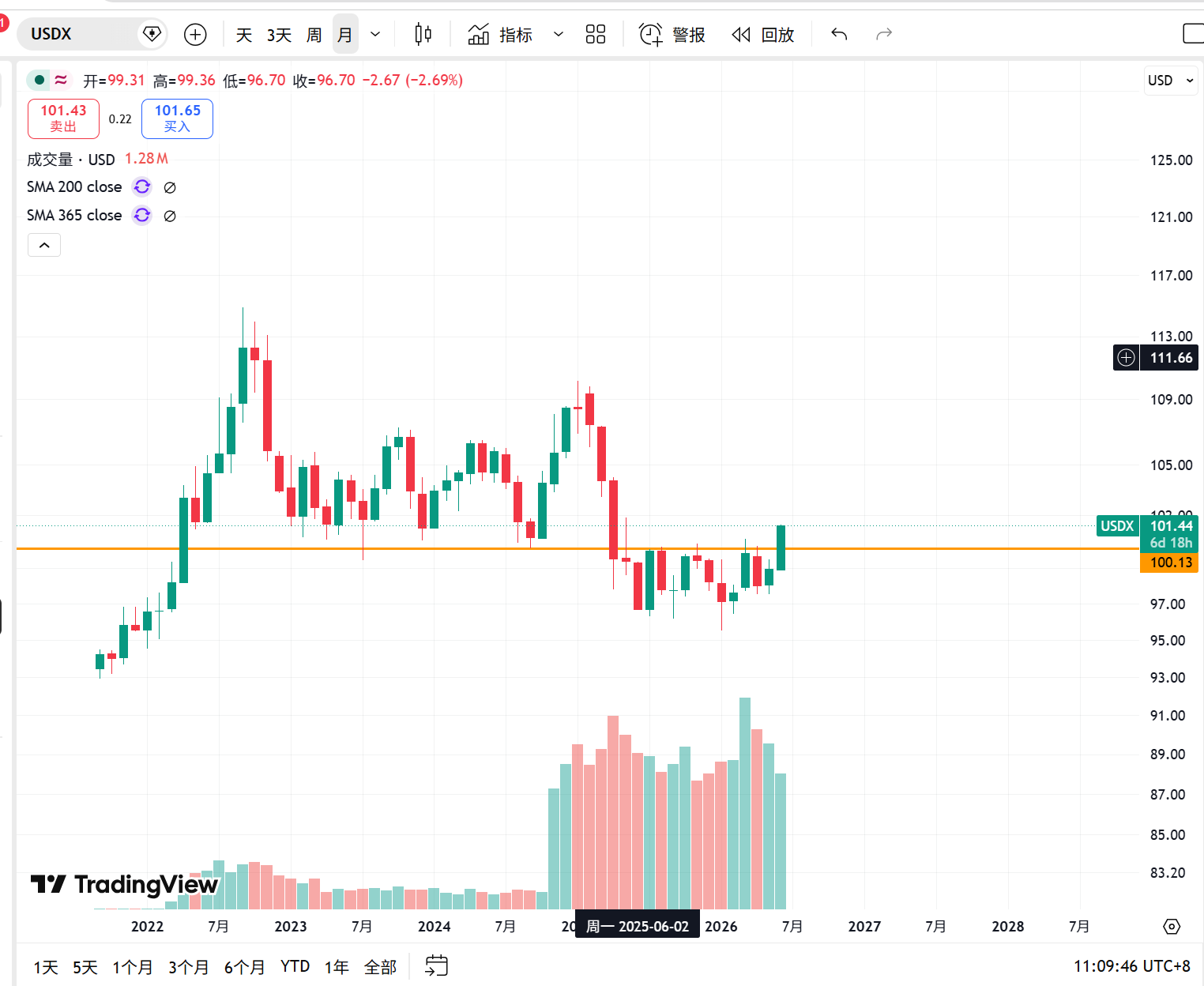
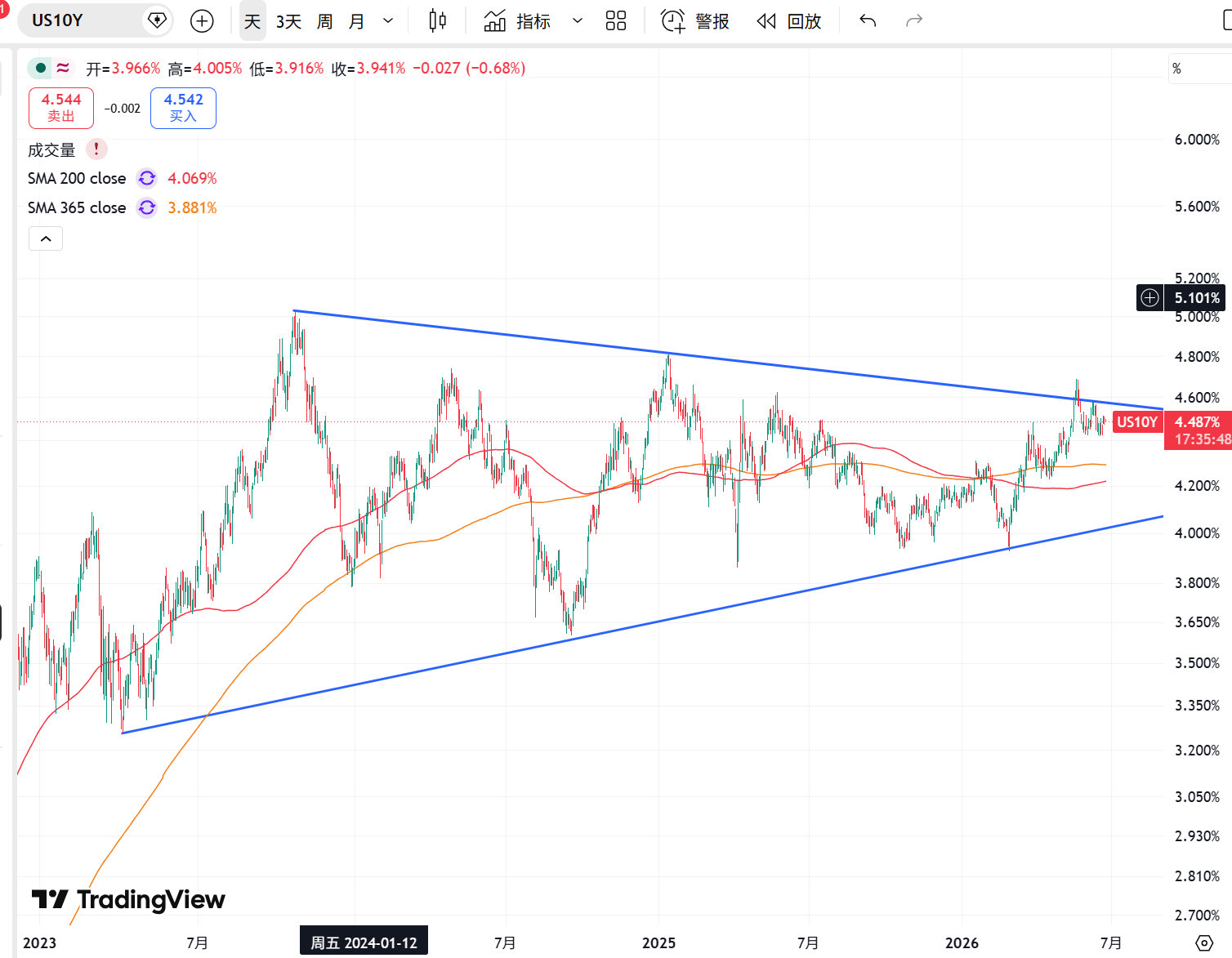
From a technical perspective, global concentrated trading has entered the middle-to-late stage. Key signals include: ① Japan and South Korea stock indices, propped up by state-directed transfer payments, have hit major long-term resistance levels; ② the US Dollar Index has broken above its one-year resistance; ③ the US 10-year Treasury yield remains stable while the 2-year yield forms an upward trend. Meanwhile, leveraged fund positions in SK Hynix have surpassed those in Tesla, and a massive wave of white-collar workers, losing their human capital premium, are being forced into the endless game of capital markets. Countries deeply intertwined with global trade and the trust-based capitalist globalization are now paying the price for past reliance: the breakdown of supply chains and the disintegration of international trade alliances will severely impair their ability to use fiscal and monetary policies to regulate the economy—printing money cannot produce oil, copper, or optical modules, and globalization has become a noose around their own necks. When liquidity suddenly contracts—whether expected or actual—a flood of leveraged funds will begin algorithmic liquidation starting from Japan and Korea trading hours. This shock will ripple through global fear indices, triggering broader turmoil. Underlying national instability and the long-term addiction to quick fixes will amplify emotional swings, and the finale will not be beautiful.
Cryptocurrency Markets and Bitcoin's Outlook: MSTR Liquidation Risk and a New Bottom Test
For the cryptocurrency market, the fragile world line has been rapidly concentrating into dark clouds above prices since the end of last year. Metrics Ventures seriously raises, for the first time, the need to assess the likelihood of MicroStrategy (MSTR) selling its ~800,000 BTC holdings. With demand nowhere in sight, BTC's cost-effectiveness as a short-hedge strategy against other assets continues to rise, and the medium-term outlook is worrisome. For precious metals, gold and silver will face short-term pressure under this macro environment due to the strong desire of countries to exchange dollars for commodity inventories (most notably the Turkish central bank), but this shock is precisely the pre-bull market 'squat' before a major rally; the complete failure of the Hormuz Strait marks the beginning of the USD's loosening, and the post-hike market shock will eventually lead to a dovish future. For copper and other minor metals, the game is more complex, but the team leans toward a sweet spot emerging once the rate-hike expectation game reaches its extreme. For Bitcoin, the market must now seriously consider the possibility that MSTR faces cash flow pressure or other participants front-run the liquidation of its position. In the scenario described above, BTC can hardly escape unscathed. Investors need to rethink BTC's positioning and tradable directions during this risk release process. The bottom may be deeper than most can currently imagine, but deeper corrections are not a hallucination born of panic. Risk brings opportunity, and we stand together with you.