
Global Supply Chain Disruptions and Macro Risk Accumulation
Metrics Ventures warns in its latest monthly report that persistent global supply chain disruptions since 2022 have progressively undermined the economic resilience and monetary-fiscal policy autonomy of Japan, South Korea, and Europe. The report argues that these structural issues are accumulating significant destabilizing momentum for global capital markets. Apart from artificial intelligence and select non-ferrous metal sectors, liquidity fatigue is becoming a reality. Although an immediate bubble burst is not imminent, fragile economies are doubling down on concentrated trades, a gamble that under current geopolitical circumstances is unlikely to end well.
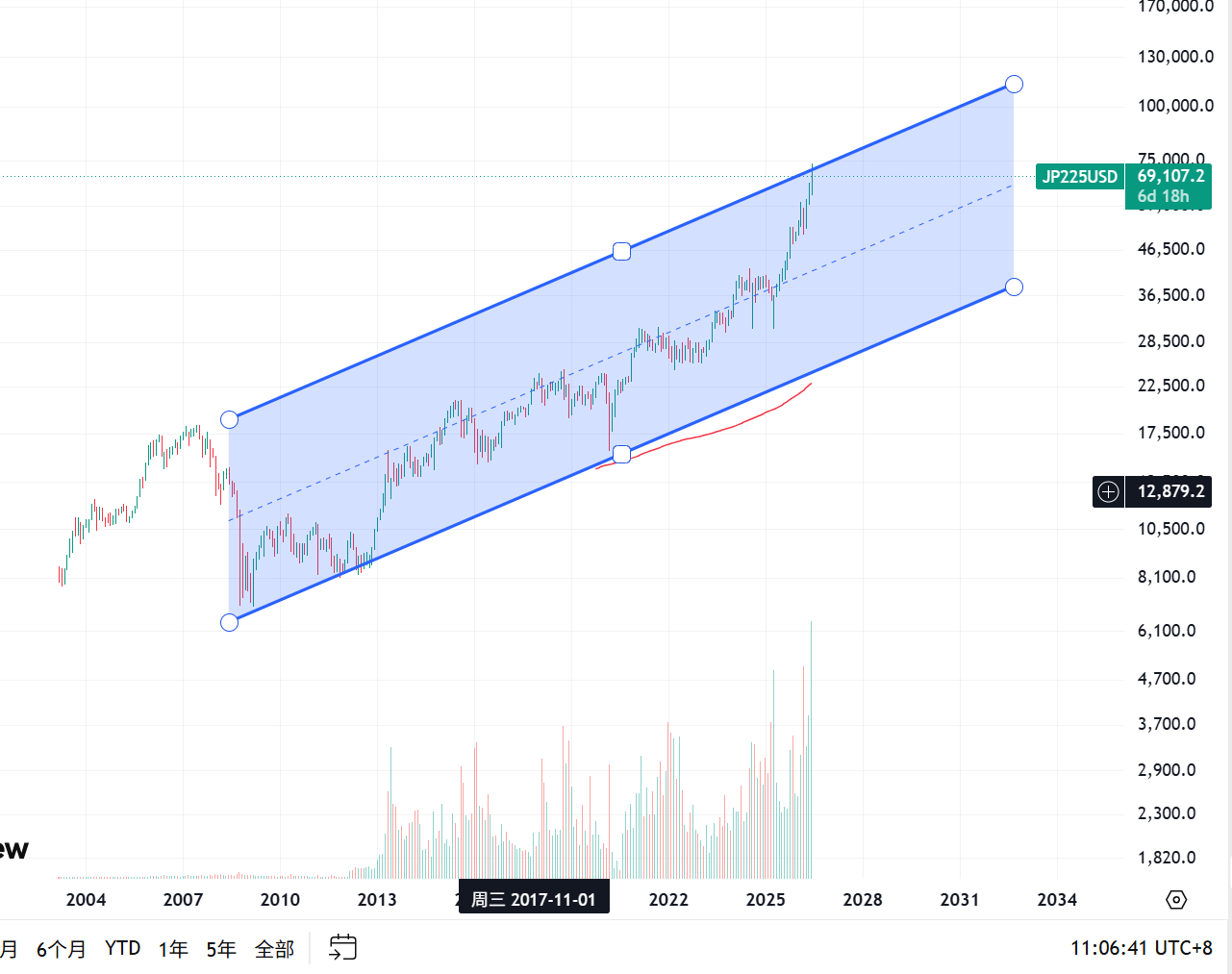
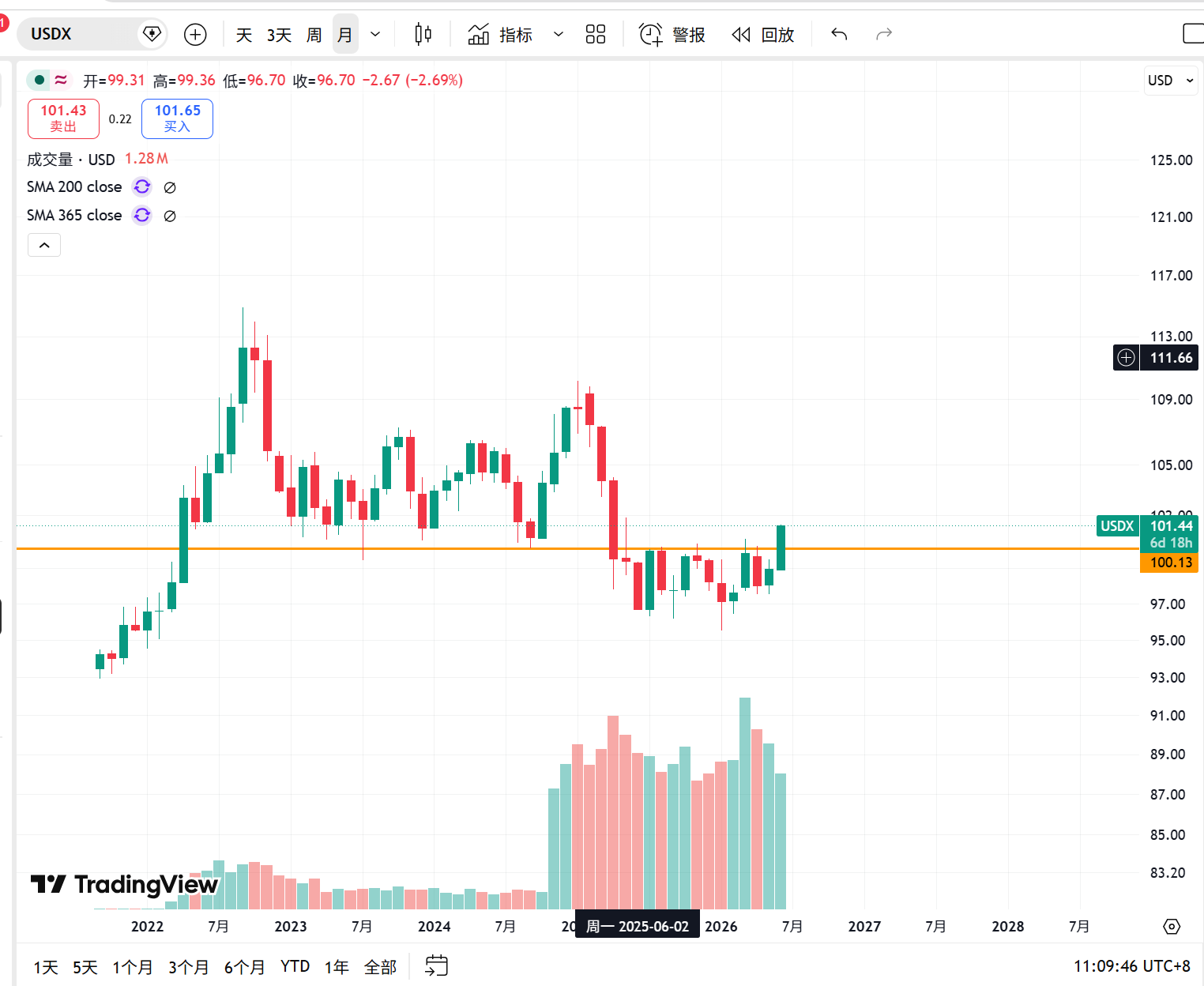
The report recalls that the global division of labor once benefited these nations, but now supply chain fractures and the disintegration of international trade blocs are severely eroding their fiscal and monetary systems' ability to steer the economy. As the report states: 'Printing money cannot produce oil, copper, or optical modules; globalization has become a rope around one's own neck.'
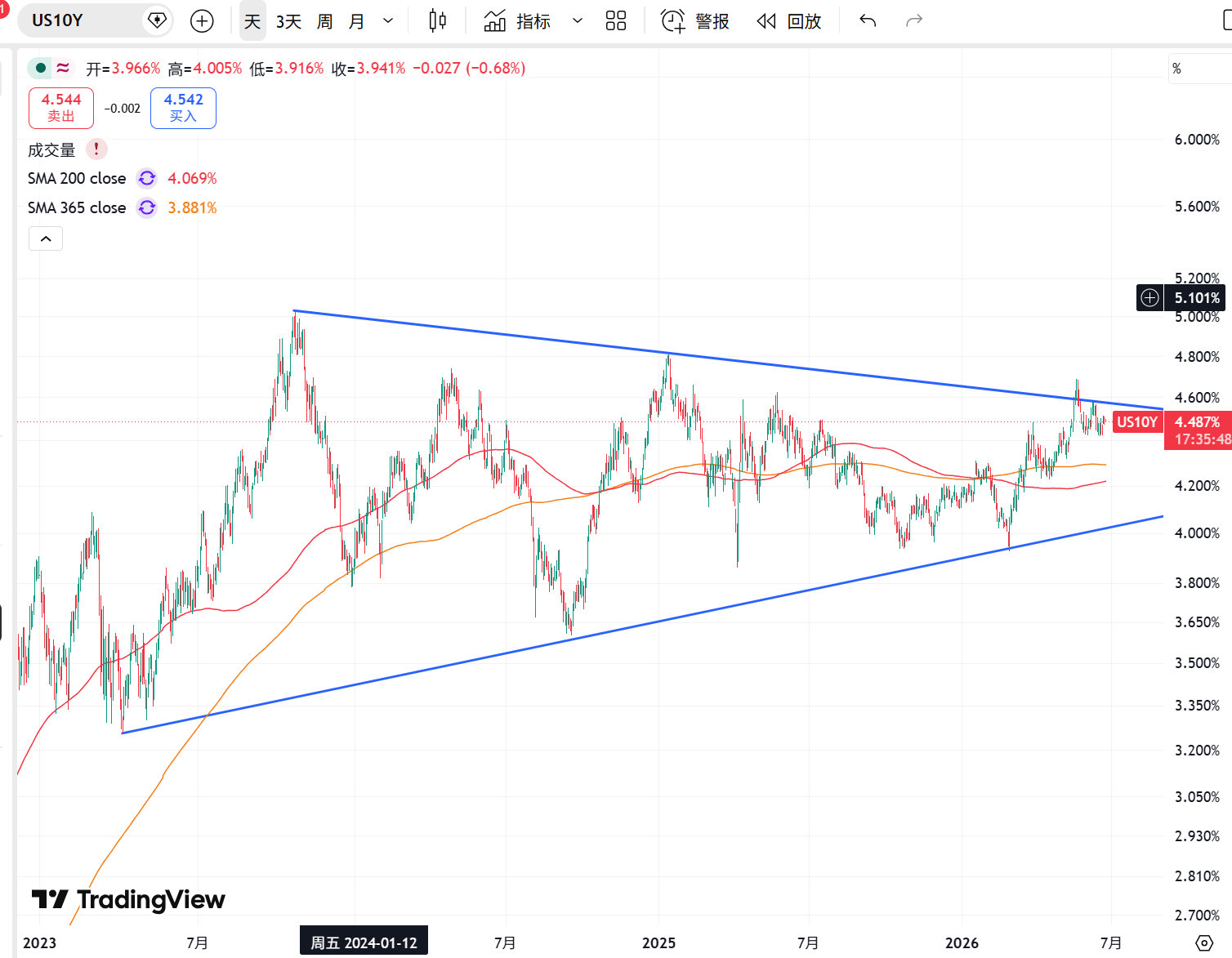
Technical Signals: Concentrated Trading in the Middle-to-Late Phase
From a technical perspective, the market has moved into the middle-to-late stage of concentrated trading. Four key signals stand out: ① The Japanese and South Korean stock markets, historically supported by state intervention, have reached critical resistance on long-term trendlines; ② The US Dollar Index has broken above its one-year resistance range; ③ The US 10-year Treasury yield remains stable while the 2-year yield shows an upward trend, implying short-term rate pressure; ④ SK Hynix's leveraged fund exposure has surpassed that of Tesla, illustrating extreme capital concentration.

Meanwhile, the premium on white-collar unit human capital is rapidly deflating, pushing a flood of talent into the 'endless game' of capital markets. The report predicts that once liquidity unexpectedly or substantively contracts, large leveraged funds will begin algorithmically liquidating positions during Asian trading hours. This shock will propagate through global panic indices, triggering wider turmoil. National-level unrest and long-term 'addiction to painkillers' economic policies will become more apparent during the turmoil, further amplifying market sentiment swings.

Crypto Market: MSTR Selling Risk and Bitcoin's Positioning
For the crypto market, Metrics Ventures believes that the fragile world line has been rapidly accumulating dark clouds above prices since late 2023. For the first time, the report emphasizes the need to seriously assess the possibility of MicroStrategy (MSTR) persistently selling its roughly 800,000 BTC holdings. With demand remaining elusive, BTC's cost-effectiveness as a short hedge against other assets continues to improve, painting a dim medium-term outlook.

The report further notes that in the process of macro risk release, BTC will not escape unscathed. Investors must rethink BTC's positioning and tradable directions during this adjustment. The eventual bottom may be 'unbelievable' by today's standards, but deeper corrections are not a panicked fantasy. For non-ferrous metals, gold and silver will face short-term headwinds from central banks' strong demand to exchange dollars for commodity inventories (evident in Turkey's central bank behavior), but this shakeout is merely the 'squat before the main rally.' The failure at the Strait of Hormuz marks the beginning of the dollar's loosening, and post-rate-hike market turmoil will ultimately lead to a easing future. For copper and smaller metals, the dynamics are more complex; the report expects a sweet window once the rate-hike speculation reaches an extreme.