
Global Vulnerability Accumulation: Supply Chain Disruption and Liquidity Drain
In its latest monthly report, Metrics Ventures highlights that since 2022, persistent global supply chain disruptions have progressively eroded the economic resilience and monetary-fiscal policy autonomy of economies such as Japan, South Korea, and Europe. This is quietly building momentum for future shocks in global capital markets. The report observes that, with the exception of AI and certain non-ferrous metal sectors, a liquidity drain is already underway. While a bubble burst is not imminent, vulnerable countries are doubling down on concentrated trading—a desperate gamble that is unlikely to end well given the current geopolitical landscape.
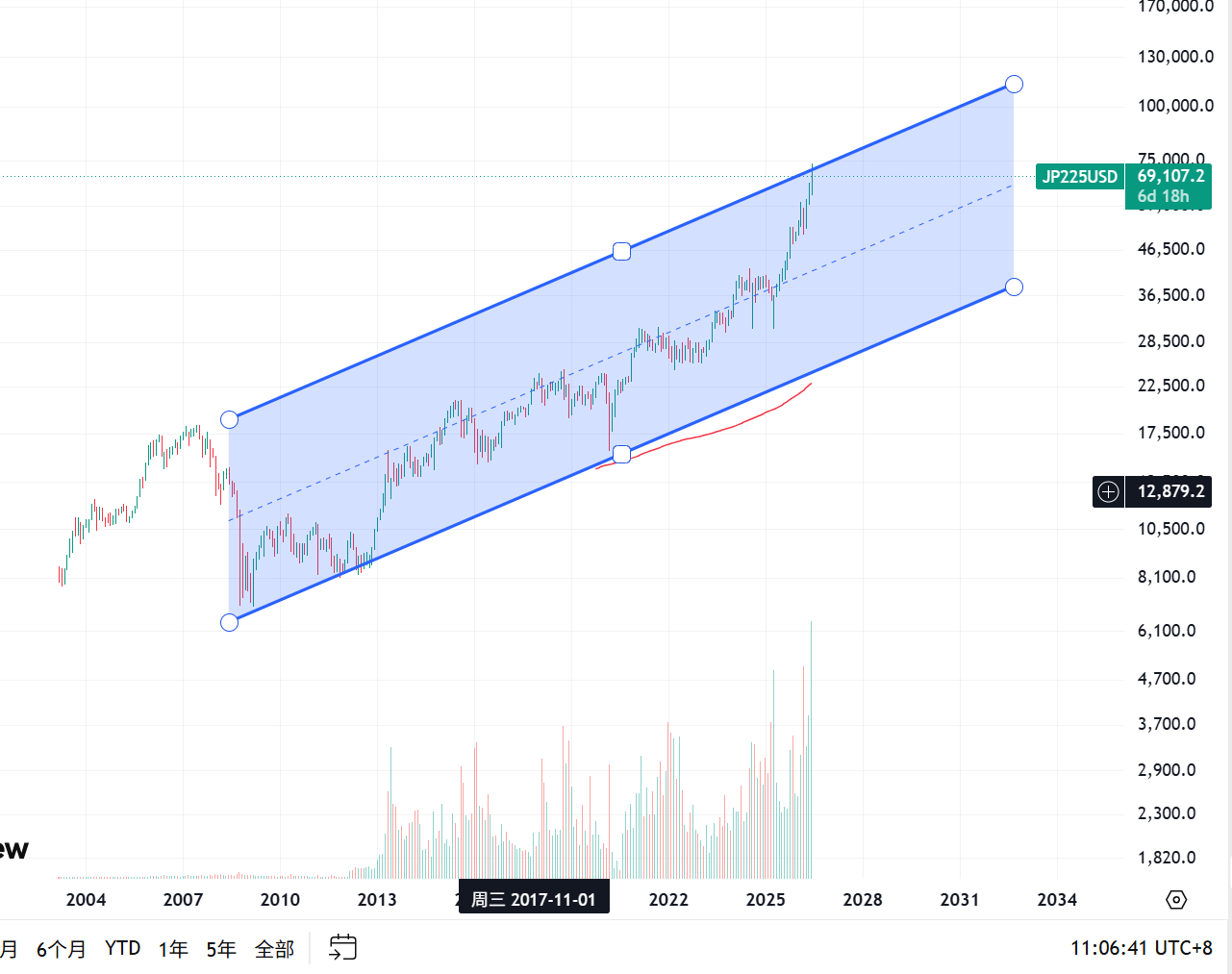
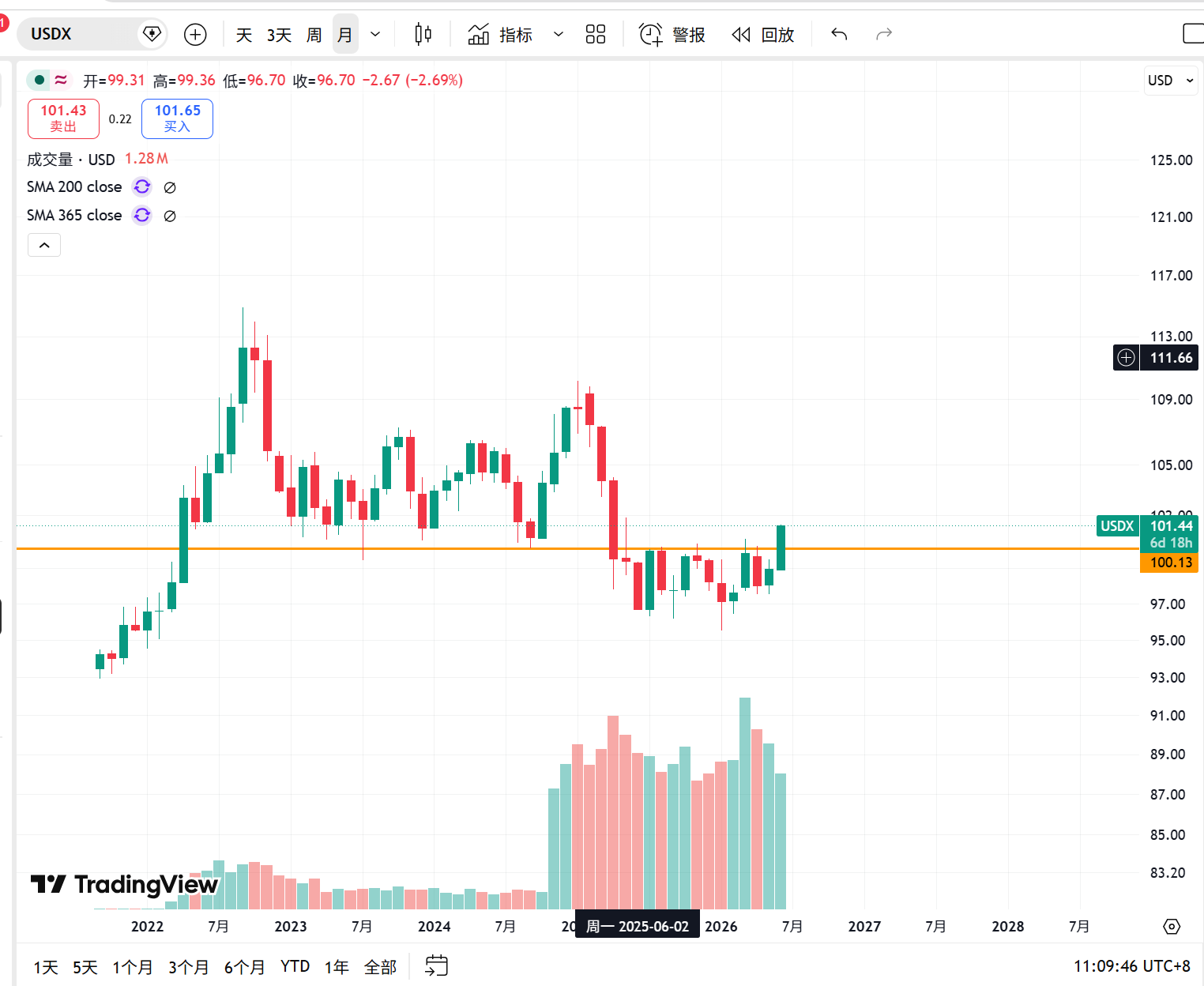
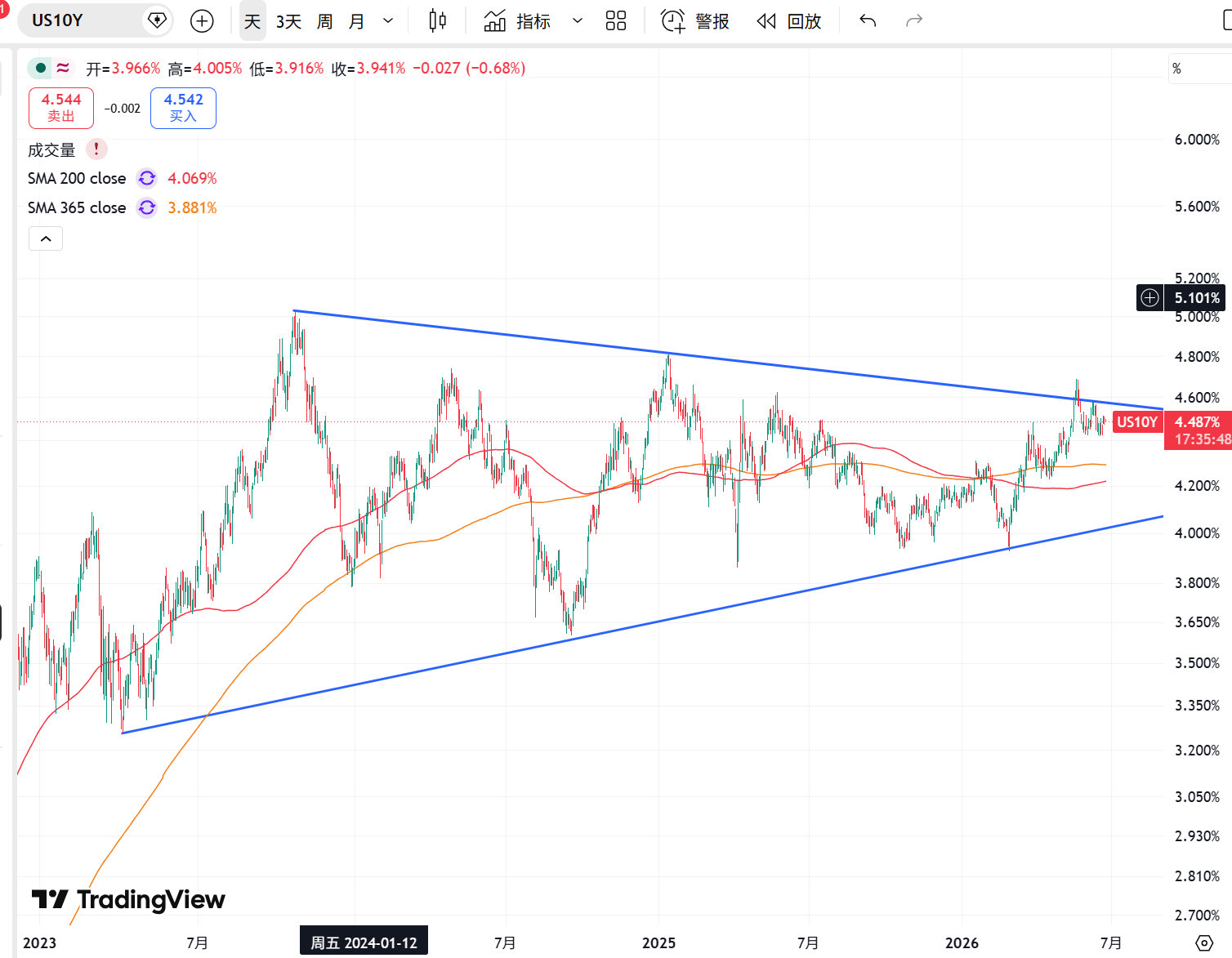
Technical analysis reveals that the stock markets of Japan and South Korea, long supported by state-driven transfer payments, have reached critical resistance levels on their long-term trendlines. The US dollar index has broken above a one-year resistance level. The yield on the 10-year US Treasury remains stable, while the 2-year yield is trending upward—all signs that concentrated trading has entered the middle-to-late phase. Meanwhile, leverage funds for SK Hynix have surpassed those for Tesla in scale. A large number of white-collar workers are rapidly losing the valuation premium of their unit human capital and being forced into the endless game of capital markets. Countries deeply integrated into the global trading system and trustful of capitalist globalization are now paying the price: the collapse of global supply chains and the disintegration of international trade alliances severely impair their ability to regulate the economy through fiscal and monetary means. After all, printing money cannot produce oil, copper, or optical modules—globalization has become a noose around their own necks.
Crypto Market Under Pressure: The Risk of MSTR Divestment and Bitcoin's Positioning
For the cryptocurrency market, the fragile world line has been rapidly converging into a dark cloud above prices since the end of last year. The report stresses that for the first time, the market must seriously assess the possibility of MicroStrategy (MSTR) continuously selling its 800,000 BTC holdings. The prolonged lack of demand is making BTC ever more cost-effective as a hedging and shorting strategy against other assets, clouding its medium-term outlook. The report warns that when liquidity suddenly contracts—either by expectation or in reality—a wave of leverage funds will begin algorithmically liquidating positions starting from the Asian (Japan and South Korea) trading session. This shock will inevitably transmit to the global fear index, triggering even larger ripples. The underlying civil unrest and fragile economies, having relied on short-term fixes, will become more exposed during the turmoil, further amplifying sentiment swings.

Regarding non-ferrous metals, gold and silver will face short-term pressure from countries' strong desire to exchange dollars for commodity inventories, as notably seen in Turkey's central bank. However, the report believes that this correction is precisely the deep squat before the true bull run of gold and silver begins. The complete failure at Hormuz marks the prelude to dollar weakness, and the market shock after interest rate hikes will ultimately pave the way for easing. The game for copper and other base metals is more complex; when interest rate hike expectations are pushed to the extreme, there will be a sweet period of decent performance.

Finally, the report emphasizes the need to more carefully evaluate BTC's positioning and tradable directions during this risk release cycle. The bottom of this round may be shockingly low, but a deeper adjustment is not a figment of panic imagination. May we all persist through the turbulence.