
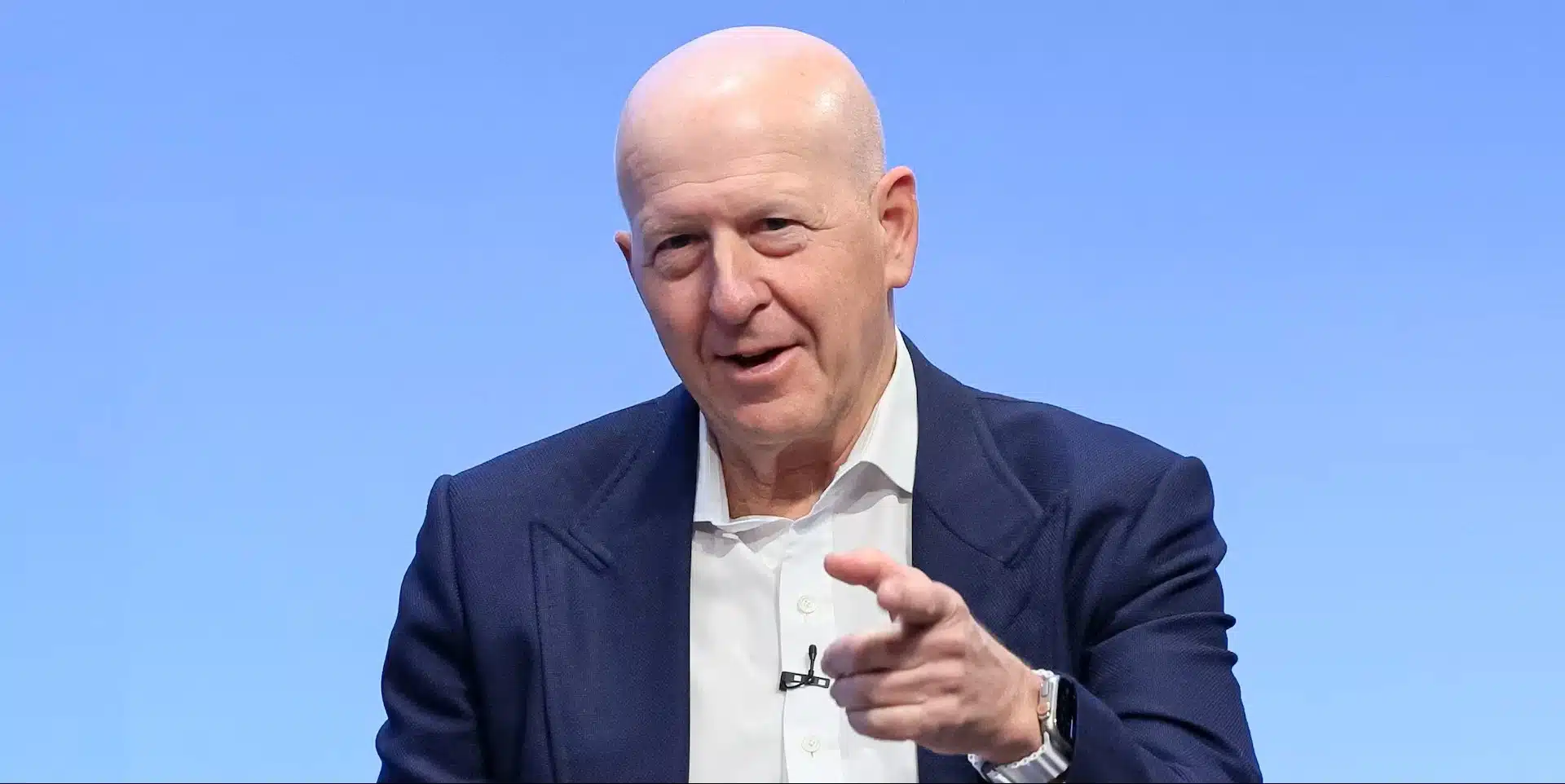
Goldman Sachs CEO David Solomon used a CNBC live interview to deliver a blunt message to the crypto industry: digital asset firms that want to operate in the United States need to work inside the country’s financial rules. His wording was direct. If people believe they can function in an environment without rules, he said, they are probably wrong and “should move to El Salvador.”
Solomon ties crypto’s U.S. future to a rules-based framework
Solomon argued that long-term success for digital assets in the U.S. depends on fitting into an established regulatory structure. In his view, the American financial system can adapt to new technologies, including cryptocurrency, but it cannot discard the legal framework that governs financial activity. That leaves little room for firms hoping to build outside supervision.
The message from one of Wall Street’s largest banks is straightforward: innovation may continue, but market access in the U.S. comes with compliance obligations. The remarks add to the wider debate over how crypto should be absorbed into mainstream finance.
Goldman’s stance has shifted over the past few years
Goldman Sachs was not always willing to embrace crypto. The bank previously launched a cryptocurrency trading desk and later shelved the effort. In 2020, it went as far as saying that cryptocurrencies were “not an asset class.”
That position changed as institutional interest in digital assets grew in 2021. Goldman reopened its trading desk, signaling a different view of the market. The bank has also invested in GS DAP, its proprietary platform designed to tokenize traditional assets on blockchain infrastructure. Those steps show Goldman is not standing apart from the sector; it is engaging with it through structures that fit conventional finance.
El Salvador cited as a warning on the cost of lighter oversight
Solomon’s reference to El Salvador carried a specific point. The country adopted Bitcoin as legal tender in 2021, a move that drew strong interest from crypto advocates and turned it into a global test case. But the article says the value of El Salvador’s Bitcoin holdings has since dropped as volatility hit the market.
According to the source material, those holdings have fallen by hundreds of millions of dollars in value. In this context, El Salvador is being presented as an example of what can happen when digital asset policy moves ahead with limited oversight and heavy exposure to price swings.
Wall Street participation is growing, but so is the compliance message
Goldman’s involvement in trading and tokenization points to a broader pattern: crypto is moving closer to mainstream finance, not farther from it. Yet Solomon’s latest comments make clear that this integration, at least in the U.S., is expected to happen inside a regulated framework.
For crypto companies, that leaves a narrow choice. They can align with regulatory standards and remain in the American market, or reject those requirements and risk being pushed out altogether.