Volatility as Capital Reallocation, Not Panic: Buy-the-Dip Window
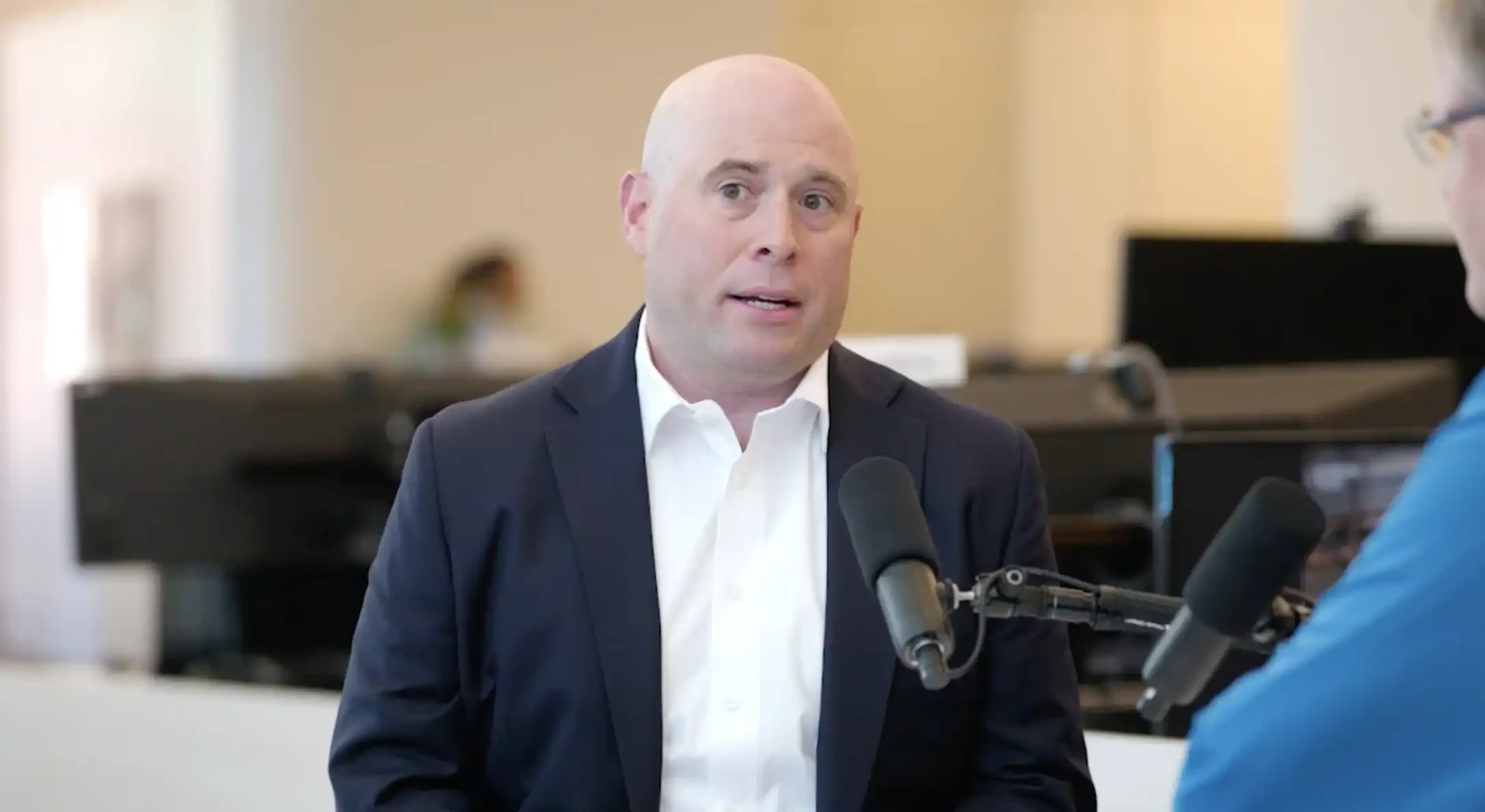
John Flood, head of Americas Equity Sales Trading at Goldman Sachs, refutes the notion that rising volatility signals a trend reversal. On June 25, all US stock exchanges recorded 34 billion shares traded—the highest single-day volume in history, surpassing the 2025 'Liberation Day' record. Flood interprets this not as one-sided fear but as simultaneous portfolio adjustments by retail, institutional, and corporate players. With the Russell Index rebalancing approaching, volatility reflects position rotation rather than a structural crack. As long as capital remains within the market, pullbacks continue to offer buy-the-dip opportunities, reinforcing Flood's stance that the overall trend remains upward.


IPO Supply Absorbed: Multi-Faceted Demand Underpins the Market
Contrary to concerns that surging IPO issuance would drain liquidity, Flood observes that current buying power extends far beyond a handful of tech giants. Institutional, retail, and corporate funds collectively provide a robust bid. Moreover, buyback activity is broadening significantly. Historically dominated by the Magnificent Seven, buybacks now involve a wider range of S&P 500 firms. Goldman Sachs' corporate buyback desk sees active programs rise from about 10 per day two years ago to 50–60 currently. This diffusion suggests that even if some Mag Seven names pause repurchases, total buyback volume and participation could still hit a record this year, stabilizing supply-demand dynamics.

AI Trade Crowded but Trend Intact: Semiconductors and Asian Exposure Lead
Semiconductors, memory, semiconductor equipment, and Asian tech exposures—particularly Korea and Taiwan—constitute the most crowded trade in the market. Flood acknowledges that crowded trades are inherently volatile, but argues that crowding alone does not signal a reversal because AI earnings momentum remains unrefuted. Until a more compelling alternative emerges, capital remains willing to endure volatility. Additionally, some Mag Seven stocks are being used as a funding source for other positions, with hedge funds shorting them to free up capital for new opportunities. This creates potential entry points in Mag Seven names. Notably, three large-cap semiconductor stocks now exceed $1 trillion in market cap, expanding the 'Mag Seven' into a 'Top 10'.

Interest Rates as the Top Risk: No Hike Would Be a De Facto Cut
Flood, who began his career as an interest rate trader at Lehman Brothers in 2006, emphasizes rates as the primary variable that could derail the rally. The market currently prices in roughly 40 basis points of rate hikes through year-end. However, Flood aligns with Goldman Sachs economists in expecting no rate increases. If the Fed holds steady, markets will reinterpret the 'no move' as a de facto easing, providing a powerful bullish catalyst. Therefore, the outcome of the rate path is the single biggest swing factor for equities.

Earnings Upgrades Drive the Bull Case: S&P 500 Poised for 8,000
The bull market's foundation is earnings, not sentiment. In Q1, the median S&P 500 stock delivered 14% earnings growth—one of the strongest quarters in decades. Q2 earnings season is imminent, with consensus expecting ~9% year-over-year growth for the median stock. Flood believes that if results meet this threshold, earnings will continue to justify higher prices. He sees the S&P 500 as capable of reaching 8,000 in the near term, supported by buybacks and technical tailwinds. However, he flags a short-term headwind: pension rebalancing on June 29–30 will trigger approximately $30 billion in equity selling as funds adjust to the stock-heavy outperformance. This may cause early-week weakness, but Flood views it as another buying opportunity.