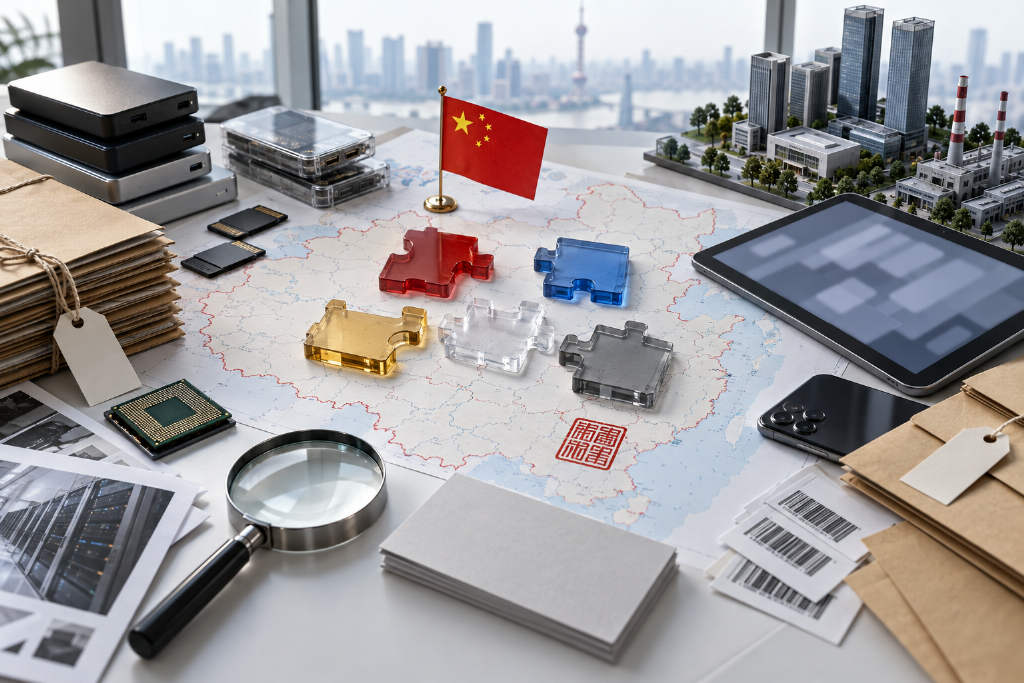
Grace Shao says China has vast data reserves but no breakout independent AI data giant yet

Grace Shao says China has vast data reserves but no breakout independent AI data giant yet

N
News Editor
2026-10-13 00:28:14
AI Proem author Grace Shao said in a post dated Oct. 9 that China has accumulated enormous volumes of data over time, yet it still has not produced a large standalone AI data company comparable to U.S. players such as Surge AI, Scale AI, and Mercor. She pointed to several structural reasons: frontier model development and upstream data markets took shape earlier in the United States, major Chinese tech companies have long kept data inside closed ecosystems, and corporate and traditional industry data remain fragmented, with state-owned enterprises reluctant to hand data to outside vendors. The post cited data from China’s National Data Administration showing that China generated 52.26 zettabytes of data in 2025, while only 22.13% of stored data was classified as structured. It also referenced an interview by DataYuan with Benyuan Zhishu CTO Lin Zhenya, who estimated that China has around 2,000 to 3,000 data-labeling companies, with the top three accounting for 20% to 30% of the market, versus an estimated 70% to 80% for the top three in the United States. Shao said that figure was an industry estimate rather than an independently calculated market share. The post also mentioned financing for UniPat and Humanlaya, HSG’s investment, a 2026 acquisition involving Benyuan Zhishu, and Haitian Ruisheng’s annual revenue growth.

ChainCatcher reported that AI Proem author Grace Shao said in an Oct. 9 post that China has built up a massive pool of data over many years, but has not yet produced a large independent AI data company on the scale of U.S. firms such as Surge AI, Scale AI, and Mercor.

Shao wrote that several factors sit behind that gap. Frontier model development and upstream data markets formed earlier in the United States. In China, major technology companies have long kept data within closed ecosystems. She also said data across enterprises and traditional industries is fragmented, while state-owned enterprises are not willing to easily hand it over to external suppliers.

China’s data output and structured data ratio

The post cited figures from the National Data Administration showing that China generated 52.26 ZB of data in 2025. Of the data already stored, only 22.13% was classified as structured.

How concentrated the labeling market is

Shao also referenced an interview published by DataYuan with Lin Zhenya, CTO of Benyuan Zhishu. According to that interview, China has about 2,000 to 3,000 data-labeling companies, and the top three account for roughly 20% to 30% of the market.

Lin estimated that the top three U.S. companies hold about 70% to 80% combined. Shao noted that this was an industry estimate, not an independently calculated market-share figure.

Funding, acquisition, and public company disclosures

The Information reported in September 2025 that Beijing-based UniPat had completed a financing round at a $1 billion pre-money valuation. Its rival Humanlaya reached a valuation close to $1 billion after completing its own financing.

According to the post, both companies received investment from HSG and were said to serve Alibaba, ByteDance, Moonshot AI, and DeepSeek.

A Hong Kong Stock Exchange filing from Thousand Baidu showed that the company acquired about 90.91% of Benyuan Zhishu in June 2026 for RMB 300 million.

Haitian Ruisheng said in its 2025 annual report that revenue rose 59% year over year to RMB 377 million.

This article was originally published by Bit.Fan. For more cryptocurrency news and market insights, visit www.bit.fan.
100

Disclaimer:

The market information, project data, and third-party content displayed on this platform are for industry information sharing only and do not constitute any form of investment advice or return commitment.

Cryptocurrency trading carries high risks. Users should fully assess their risk tolerance and make independent decisions. All profits, losses, and legal responsibilities are borne by the users themselves.