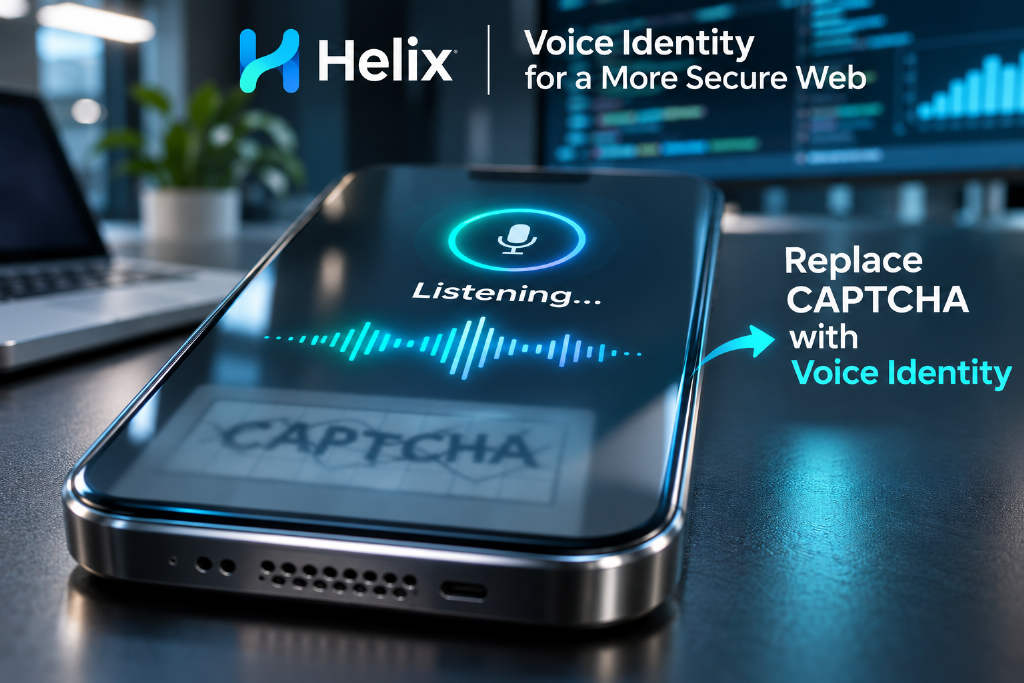
Voice identity startup Helix has raised $6 million in a round led by Chicago Ventures, according to Techub News, which cited TechCrunch. Dag Kittlaus, a co-founder of Siri, supports Helix and has joined the company as an adviser. Helix was founded in 2025 by Alex Oberg, Anna Dorofiyenko and Mike Hall. Its voice technology runs on the device itself and is designed to determine whether a user is human and estimate the user’s age. The company says the system could replace or supplement CAPTCHA tools used to help block bot attacks. Kittlaus said voice recognition has become reliable enough for this use case, while model compression gives the technology a cost advantage. The report did not disclose additional details about the financing beyond the lead investor and the total amount raised. Helix’s stated focus is voice-based identity assessment, with its processing performed on devices rather than relying solely on external systems.
Voice identity startup Helix has raised $6 million in funding led by Chicago Ventures, according to Techub News, citing TechCrunch. Dag Kittlaus, a co-founder of Siri, supports the company and serves as an adviser.
Alex Oberg, Anna Dorofiyenko and Mike Hall founded Helix in 2025. The startup’s voice technology runs on the device and is designed to determine whether a user is human and estimate the user’s age.
Helix said its system could replace or supplement CAPTCHA tools to help block bot attacks. Kittlaus said voice recognition is now reliable, while model compression provides a cost advantage.
This article was originally published by Bit.Fan. For more cryptocurrency news and market insights, visit www.bit.fan. Disclaimer:
The market information, project data, and third-party content displayed on this platform are for industry information sharing only and do not constitute any form of investment advice or return commitment.
Cryptocurrency trading carries high risks. Users should fully assess their risk tolerance and make independent decisions. All profits, losses, and legal responsibilities are borne by the users themselves.