
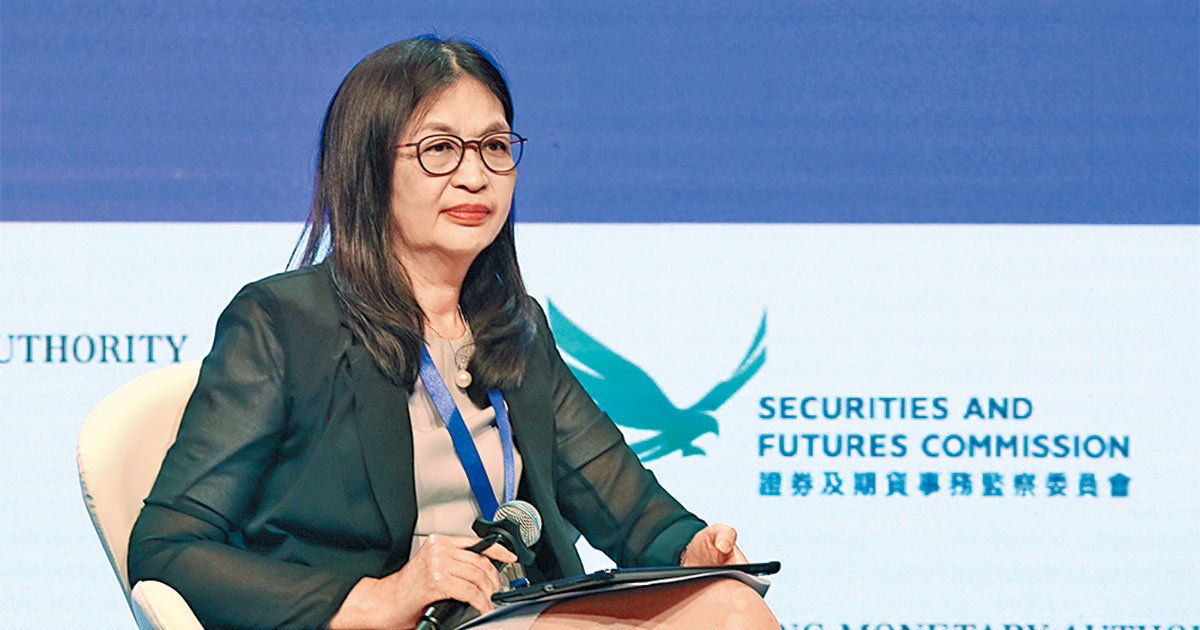
Hong Kong's Securities and Futures Commission (SFC) chief executive Julia Leung revealed on Wednesday at the Consensus 2026 conference that the regulator is preparing a "high-level regulatory framework" for virtual asset trading platforms, with three specific measures to be rolled out in the near term. The most notable is that Hong Kong will for the first time allow licensed platforms to offer perpetual contracts—initially restricted to professional investors, not retail clients.
Perpetual Contracts Limited to Professional Investors, Tight Risk Controls
Leung stated that the new framework will focus on risk management, requiring platforms to maintain high transparency and robust capabilities to handle funding rate volatility and automatic liquidation risks. Platforms must also ensure fair trading mechanisms for clients to prevent market manipulation and excessive leverage. This suggests Hong Kong is trying to strike a balance between product innovation and investor protection.
Bitcoin and Ether Approved as Collateral for the First Time
Another breakthrough is that the SFC will allow brokerages to offer financing to creditworthy clients, with the most symbolic change being the recognition of Bitcoin and Ether as eligible collateral. Leung explained that given the high volatility of virtual assets, the first phase only includes the largest and most liquid cryptocurrencies—Bitcoin and Ether—with a view to potentially expanding the scope later based on market conditions. This opens the door for institutional clients to use crypto assets to leverage their trades.
Independent Market-Making Desks Can Provide Liquidity, Subject to Conflict-of-Interest Rules
To address the lack of market depth, the SFC plans to relax rules and allow trading platforms to provide liquidity through "independently operated market-making desks," provided that platforms establish strict conflict-of-interest prevention mechanisms and ensure the market-making unit has substantive independence and comprehensive internal rules. Leung emphasized that these measures are a continuation of Hong Kong's 2025 virtual asset development blueprint, aiming to encourage a wider range of products and services and to foster the growth of the local virtual asset market.