
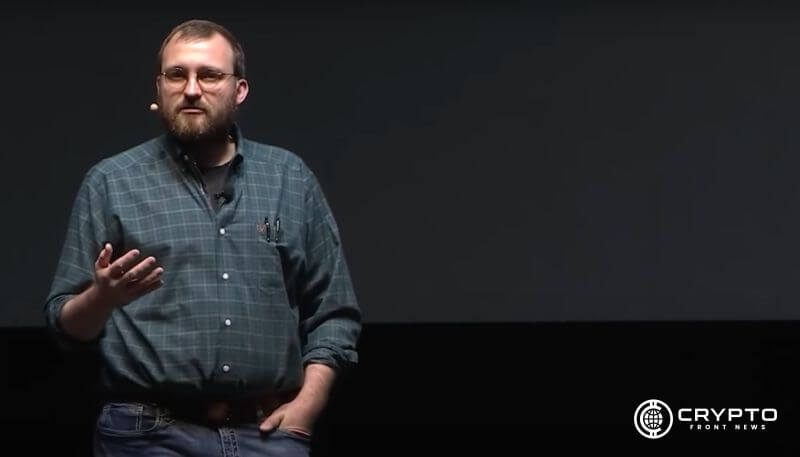
Charles Hoskinson, founder of Cardano, used his weekly crypto rollup video to directly challenge Ripple CEO Brad Garlinghouse over his support for the CLARITY Act. Hoskinson warned the bill could default-classify the vast majority of crypto projects as securities, handing regulators far more power than current frameworks allow.
Hoskinson Warns of Sweeping Security Classification
Hoskinson argued that the CLARITY Act's default classification logic mirrors the enforcement patterns of Gary Gensler's SEC. He said the structure would give regulators broad authority over both new and existing blockchain projects, beyond reasonable limits. He noted that the bill's language leans toward treating most tokens as investment contracts rather than evaluating them based on actual function.
Criticism Targets Ripple's Potential Advantage
The sharper criticism focused on motive. Hoskinson claimed that Garlinghouse appears to support the framework because it could create a regulatory edge for Ripple and XRP. By raising compliance hurdles, the bill effectively squeezes smaller projects out of the market and reduces competition, he explained. He explicitly called the proposal unfavorable for smaller projects trying to enter the space.
Developer Liability Risks: Citing Tornado Cash Precedent
Beyond classification, Hoskinson highlighted legal exposure for developers. He warned the bill could impose liability even when developers lack control over how their software operates. He referenced past enforcement cases involving open-source tools, notably those tied to Tornado Cash, calling it a dangerous precedent for decentralized finance builders. Removing protections for DeFi developers would stifle innovation, he said, as uncertainty deters new entrants.
Legislative Momentum Fades After Coinbase Opposition
The bill's legislative path, however, looks uncertain. After Coinbase's public opposition over stablecoin yield provisions, the CLARITY Act's chances of advancing in 2026 have declined. Hoskinson noted that discussions around the bill often drift from policy details into personal disputes. He also addressed criticism from the XRP community, saying some accused him of targeting XRP, but his past statements defending Ripple during regulatory challenges remain publicly available.