
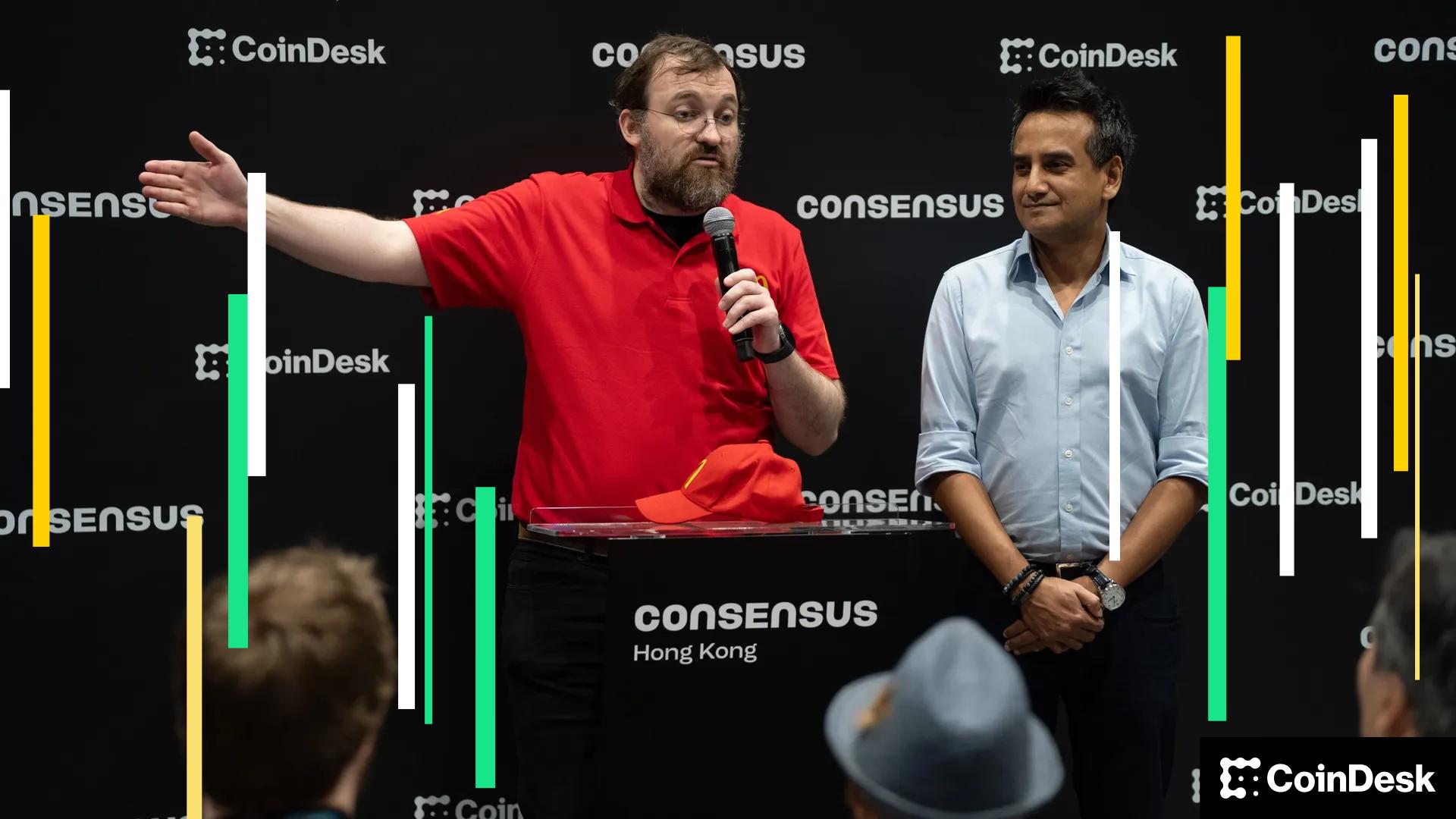
Midnight, the blockchain backed by Charles Hoskinson, went live on Monday with a clear pitch: fix the parts of crypto that keep it from broader use. The network is aimed at privacy, simpler product design, and reducing the risk that users lose access or expose too much information when they transact.
Hoskinson said the industry has spent more than a decade solving the wrong problems. In his view, the main barrier to real-world adoption is not regulation alone or price volatility. It is usability. Users still have to manage complicated wallets, accept the possibility of irreversible loss, and operate in systems where balances and transaction histories can often be traced openly.
Midnight is built to feel closer to an app
Rather than trying to replace Bitcoin or Ethereum, Midnight is positioned alongside existing networks. Hoskinson described it as a way for users and businesses to access blockchain systems without exposing sensitive data or dealing with technical friction. His framing is simple: crypto will stay outside everyday economic activity unless it becomes easier to use, more private, and compatible with rules.
That means interactions should look less like raw blockchain operations and more like a normal application flow. Users should not need to understand private keys in detail, and they should not face permanent lockout because of a single mistake. In some cases, Hoskinson said, people may not even realize they are using blockchain at all. The rollout is set to happen in stages, starting with infrastructure, then moving into applications and governance.
Selective disclosure is central to the design
Hoskinson called today’s consumer crypto experience “broken,” saying many people are mainly afraid of losing their money. Midnight’s answer is what he described as selective disclosure. The idea is that users can prove specific facts about themselves without handing over the underlying personal information. Instead of exposing full datasets, they can respond to narrow yes-or-no checks and have those claims verified cryptographically.
He described Midnight as a fourth-generation blockchain built for real-world use at scale. The model combines private data handling with the ability to verify certain elements when required. That approach is meant to address a long-running trade-off in the sector: public blockchains reveal too much, while private systems often give up verifiability. Midnight is designed to sit between those two ends.
The article points to several possible use cases. Businesses could run payroll on-chain without exposing employee salaries. Financial institutions could move funds without revealing positions. Identity systems could verify users without storing personal data. One early example has already appeared: London-based Monument Bank said it plans to tokenize up to 250 million pounds, or about $330 million, in retail deposits on Midnight.
Self-funded project, wide token distribution
Midnight was not built through venture capital financing, according to Hoskinson. He said he personally funded the project, investing roughly $200 million. Token distribution was handled through what the project called one of the industry’s largest airdrops by user count, reaching 37 million wallets across eight blockchains when it went live in December.
CoinDesk data cited in the report shows the market reacted quickly. Midnight briefly moved above a $1 billion valuation and is now valued at about $776.2 million, with the token trading near $0.047. The network is a layer-1 blockchain and a partner chain to Cardano. The report also notes that Cardano ranks 12th globally by market capitalization, at around $9.2 billion.