
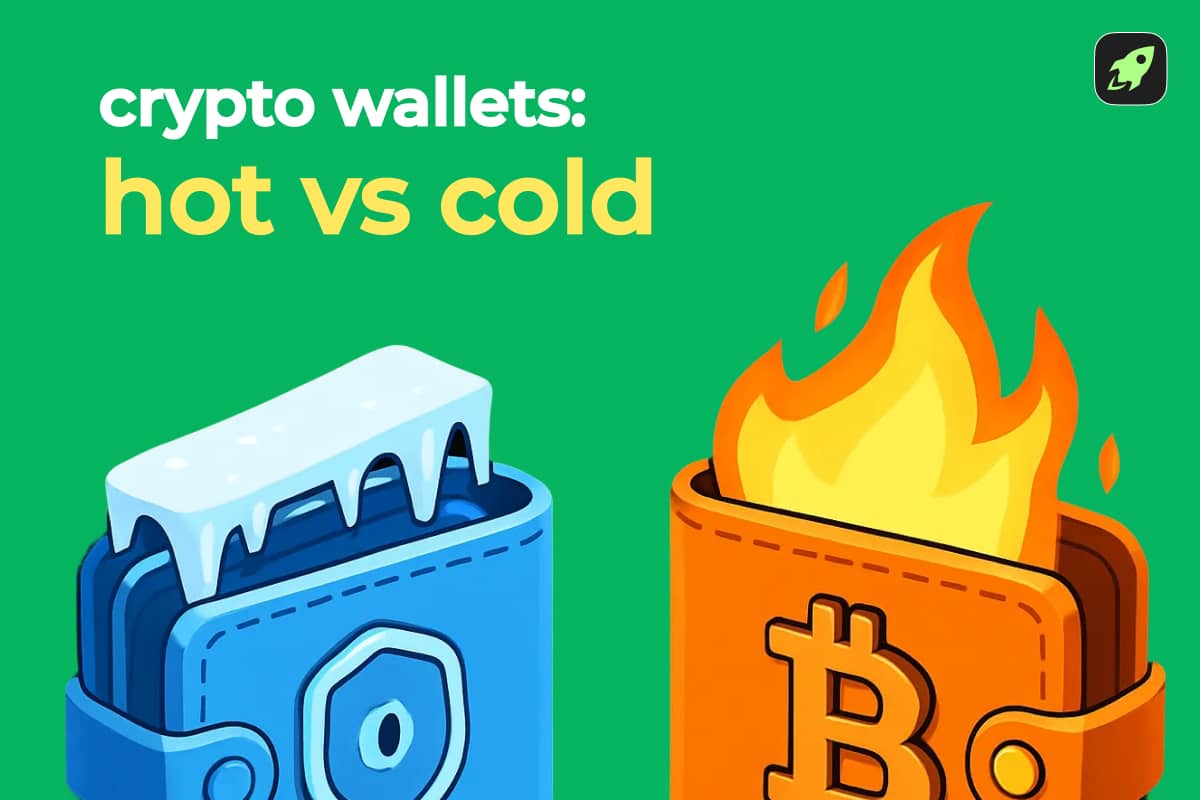
The debate between hot wallets and cold wallets comes down to one fundamental difference: internet connectivity. Hot wallets, such as MetaMask and Coinbase Wallet, are always online, offering instant access via mobile or desktop apps. They are free, easy to set up in minutes, and ideal for frequent trades or DeFi interactions. However, private keys stored on connected devices remain vulnerable to malware, phishing, and other cyber threats.
Cold Wallets: Fortress-Like Security at a Cost
Cold wallets (e.g., Ledger, Trezor) keep private keys entirely offline, typically on a hardware device priced between $50 and $250 (e.g., Ledger Nano S Plus at $79, Trezor Model T at $129). Transactions require physical connection and user confirmation on the device itself. While setup takes longer and daily use is less convenient, the offline nature makes cold wallets nearly immune to remote attacks. Seed phrases are generated offline, and advanced users may employ Shamir Backup to split recovery words across multiple locations.
Key Differences at a Glance
Hot wallets rely on software security (passwords, 2FA); cold wallets use hardware-based secure elements. Hot wallets excel in speed and cross-device compatibility but expose keys online. Cold wallets prioritize long-term safety but slow down transaction speed. For backups: hot wallets allow quick restore by re-entering seed phrase into another app; cold wallets require compatible hardware and offline recovery steps, which is slower but safer. Hot wallets are free to download (only network fees incurred), while cold wallets require a one-time hardware purchase.
The Hybrid Approach: Hot + Cold Strategy
Most experienced users deploy both wallet types simultaneously: use a hot wallet for day-to-day spending, staking, or DeFi apps — keep only what you need for active use. Store the bulk of holdings in a cold wallet for offline safekeeping. Transfer small amounts to the hot wallet when needed. Back up both wallets' seed phrases securely offline. Consider multi-signature or MPC wallets for shared access or extra protection.
Choosing between hot and cold depends on your personal trade-off between speed and security. If you trade daily or explore DeFi actively, a hot wallet provides necessary convenience. For those building wealth with a low risk tolerance, cold storage is the smarter choice. Ultimately, many users end up using both — but regardless, your private keys remain the true key to your crypto assets.