
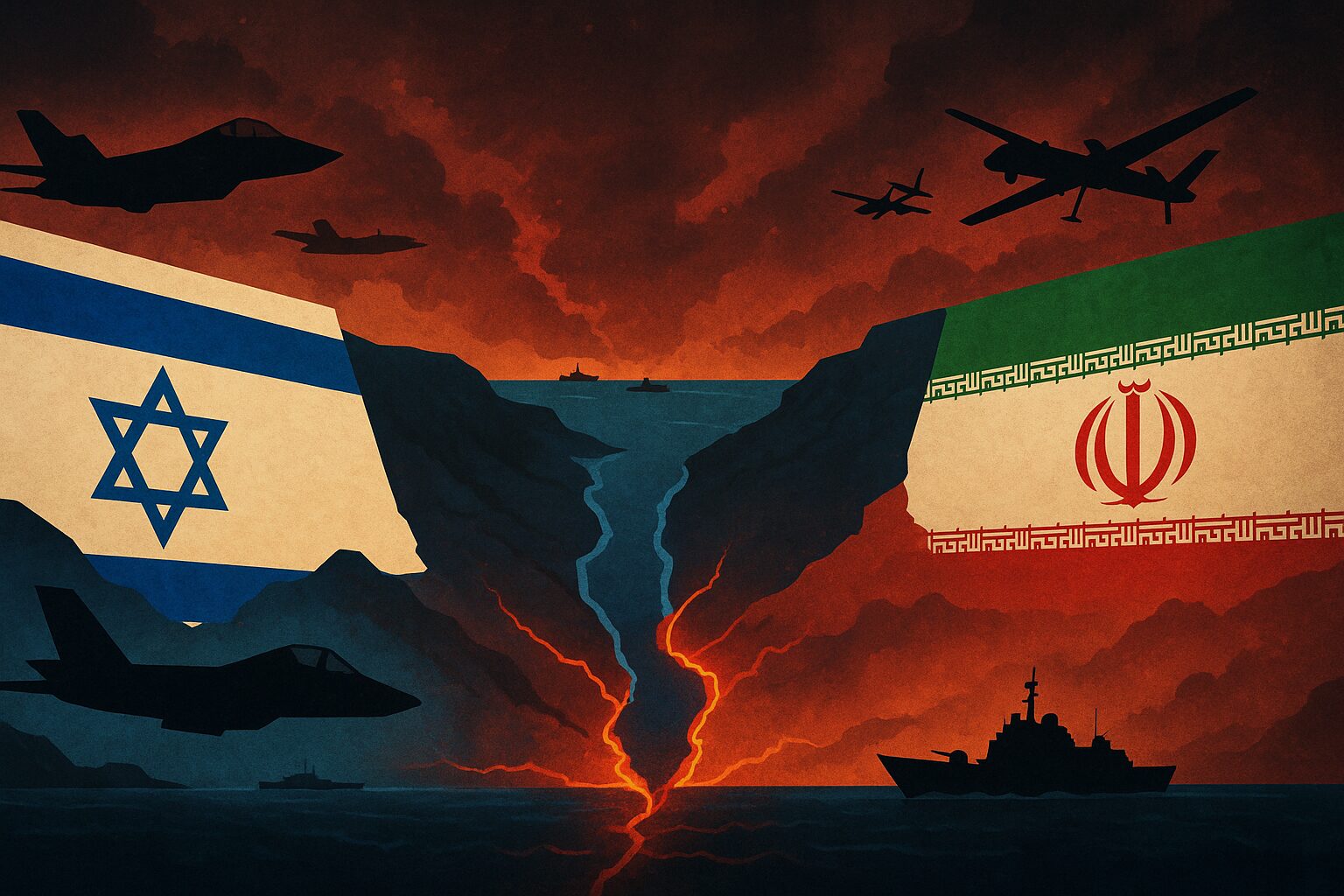
Tensions around the Strait of Hormuz are escalating. The world's most critical energy chokepoint carries roughly 20 million barrels of oil and petroleum products daily. A prolonged blockage—with few viable alternative routes and limited bypass pipeline capacity—would trigger a global energy supply shock. Surging oil and gas prices would stoke inflation, central banks would face a policy dilemma, financial conditions would tighten, and investors would slash risk-asset exposure.
Energy Chokepoint: Inflation and Liquidity Double Squeeze
Higher energy costs directly feed into the real economy: fuel, chemicals, transport—all become more expensive, pushing consumer prices up. In 2022, the post-Ukraine energy spike forced the Fed to accelerate rate hikes; a similar dynamic could play out now. A sharp drop in shipping through the Strait would rekindle inflation expectations, making it harder for central banks to balance fighting price pressures with supporting growth. Liquidity tightening would follow almost inevitably, with stocks, bonds, and commodities all facing higher volatility and rapid capital flight.
Bitcoin Wears the 'Risk Asset' Label, Faces Short-Term Pain
Since 2020, Bitcoin's price action has increasingly correlated with Nasdaq and other risk assets, not with gold. Historical evidence from major geopolitical shocks—the 2020 COVID crash, the 2022 Russia-Ukraine invasion—shows Bitcoin typically suffers a liquidity-driven sell-off first as investors scramble to cover margin calls elsewhere, before stabilizing weeks later. A Strait of Hormuz crisis would likely trigger a similar pattern, with short-term downside pressure dominating.
Watch Derivatives: Open Interest and Funding Rates Signal Leverage Risk
Rather than fixating on spot price, derivatives market data can offer early warnings. Open interest (OI) tracks the total unsettled futures contracts, revealing the size of active leveraged positions. The funding rate on perpetual swaps shows whether longs or shorts dominate. When OI climbs alongside extreme funding rates, it indicates crowded positions. If an external shock hits—like a Hormuz blockage—these overstretched trades can trigger a cascade of forced liquidations (long squeezes or short squeezes), amplifying the price move. The current leverage landscape will determine whether such a spiral unfolds.
Ultimately, the impact on Bitcoin depends less on the energy shock itself and more on the path of global liquidity, policy responses, and market leverage in the coming weeks. On-chain data and derivative metrics deserve close monitoring.