
BlockBeats reported on Sept. 8 that Chloe, an HTX DeepThink columnist and researcher at HTX Research, said August U.S. labor data largely weakened the trading logic that a rapid deterioration in employment would force the Federal Reserve to pause.
She said nonfarm payrolls rose by 162,000 in August, significantly above expectations, while the unemployment rate stayed at 4.1%.
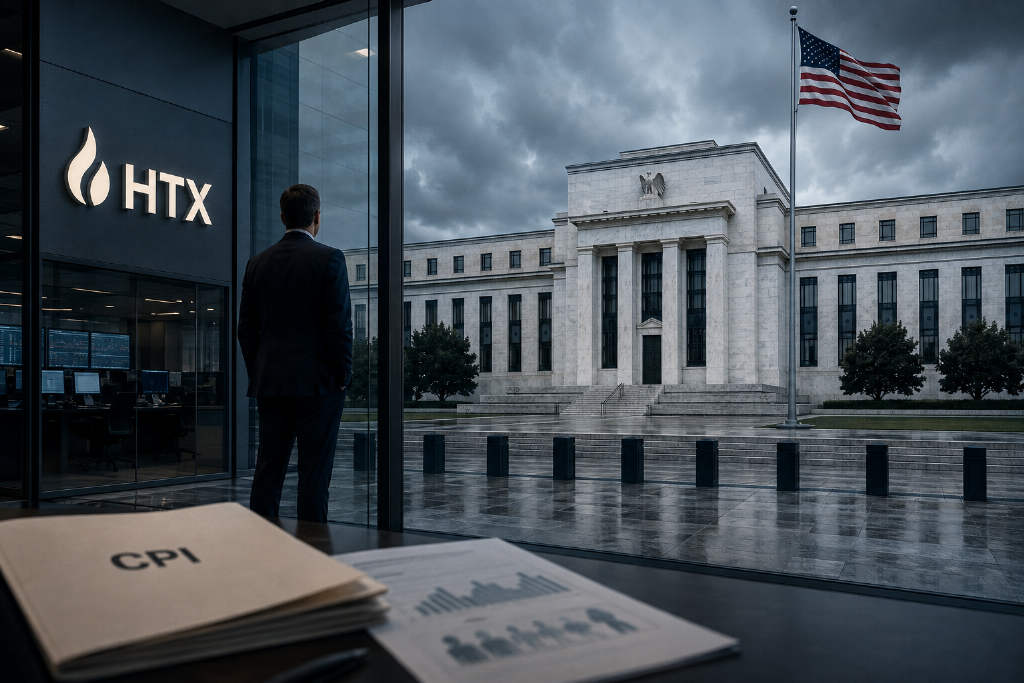
According to Chloe, the market’s attention has now shifted to this week’s CPI release. Strong employment does not mean the Fed has to raise rates, but it does give the central bank more policy room. She added that Warsh declined to make a prior commitment at Jackson Hole, so this week’s inflation reading will serve as the first real stress test for this new policy framework.
CPI in focus this week
Chloe said that if core CPI does not show a convincing slowdown, staying on hold could damage the Fed’s anti-inflation credibility. For this week, she expects risk assets to remain in a weak range first, then pick a direction after the CPI data is released.
- If core inflation eases moderately, the probability of a rate hike could drop quickly. BTC could break above $82,500, and U.S. growth stocks could rebound at the same time.
- If core inflation accelerates again, markets may continue pricing in a September rate hike. U.S. Treasury yields could test 5%, and BTC could fall back to between $74,000 and $77,000.
Under that second scenario, high-valuation AI stocks, Neocloud names, and altcoins would face greater pressure.
Base case for September
For September, Chloe said her base-case scenario is not a one-way decline. Instead, she described it as 「rate shock in the first half of the month, then stabilization and repair after the FOMC」. She expects BTC to trade mainly in a range of $74,000 to $88,000.
She also said the U.S. dollar has not strengthened materially alongside rising rate-hike expectations, while BTC is still holding near $80,000, showing a degree of market resilience. Still, before long-end Treasury yields move lower, risk assets do not yet have the macro conditions for a sustained one-way rally.
HTX DeepThink added that the article does not constitute investment advice, nor an offer, solicitation, or recommendation for any investment product.