
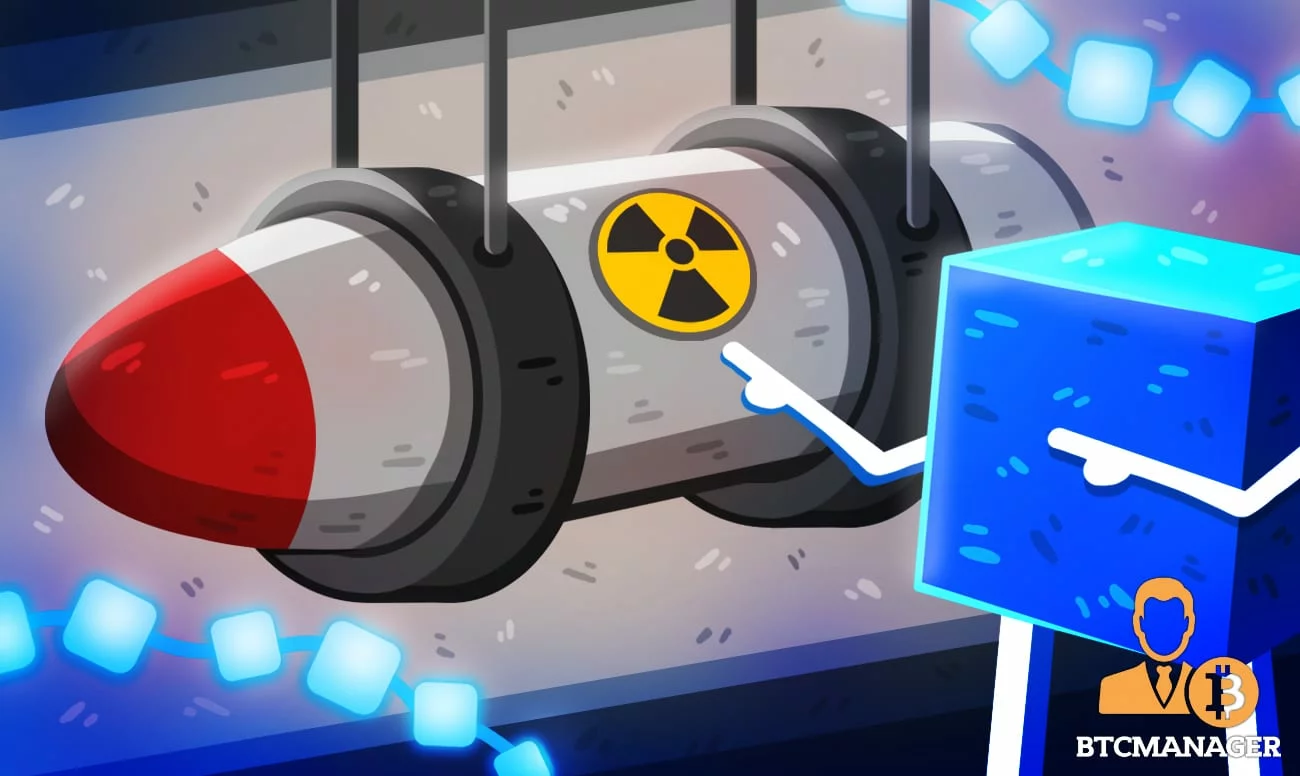
IAEA Director-General Rafael Grossi said strikes near Iran’s Bushehr nuclear power plant now pose a “very real danger” of a severe radiological accident, with consequences that could extend well beyond Iran. According to the agency, Bushehr has been struck or targeted four times since the war began on Feb. 28. Satellite analysis identified one impact roughly 75 meters from the site perimeter and another about 250 feet from the plant.
Iranian officials said the latest incident killed one member of the plant’s physical protection staff after projectile fragments hit the area, while shockwaves damaged a building inside the site. The IAEA said it has detected no rise in radiation levels so far. Grossi still stressed that nuclear sites and nearby areas must never be attacked, noting that even auxiliary structures can contain equipment essential for safe operations.
Why Bushehr stands out among Iran’s nuclear sites
Bushehr is Iran’s only operating nuclear reactor and holds thousands of kilograms of nuclear material. The IAEA said a direct hit on the reactor core or spent fuel storage pools could release radioactive particles into the environment, including the hazardous isotope caesium-137. Wind and water flows could then carry contamination across the Persian Gulf and into neighboring states, with effects lasting for decades.
Grossi described Bushehr as the Iranian nuclear facility where the consequences of an attack could be the most serious. He said a direct strike could cause a very high release of radioactivity to the environment. Russia’s state nuclear agency Rosatom, which built the plant and operates it with Iranian personnel, has already evacuated its 198 staff members from the site.
Iran pushes the issue to the UN and public platforms
Foreign Minister Abbas Araghchi used X to accuse Western governments of hypocrisy over attacks near nuclear infrastructure. Referring to past reactions over fighting around Ukraine’s Zaporizhzhia plant, he wrote that Israel and the United States had now bombed Bushehr four times, adding that radioactive fallout would affect Gulf Cooperation Council capitals rather than Tehran.
Araghchi also sent a formal letter to UN Secretary-General Antonio Guterres, warning that the strikes expose the wider region to a serious risk of radioactive contamination with major human and environmental consequences. Iran’s atomic energy chief separately wrote to Grossi demanding action. The WHO Director-General issued a warning as well, saying a strike could trigger a nuclear accident with health damage that would affect generations.
Crypto markets are part of the risk chain
The source article said any actual radiological release at Bushehr would be more than a regional security event and could become a black swan for global markets. Earlier strikes tied to Iranian nuclear infrastructure had already pushed Bitcoin and Ethereum sharply lower within hours. It also cited previous reporting that more than $60 billion in crypto market value was wiped out in a single day during last year’s strikes.
The report linked the Bushehr threat to broader energy market stress, noting that Iran has already shown a willingness to retaliate against Gulf energy infrastructure. That connection places oil supply and crypto market volatility in the same chain of geopolitical risk. Grossi’s statement is one of the strongest nuclear safety warnings issued by a major international institution since the war began.