
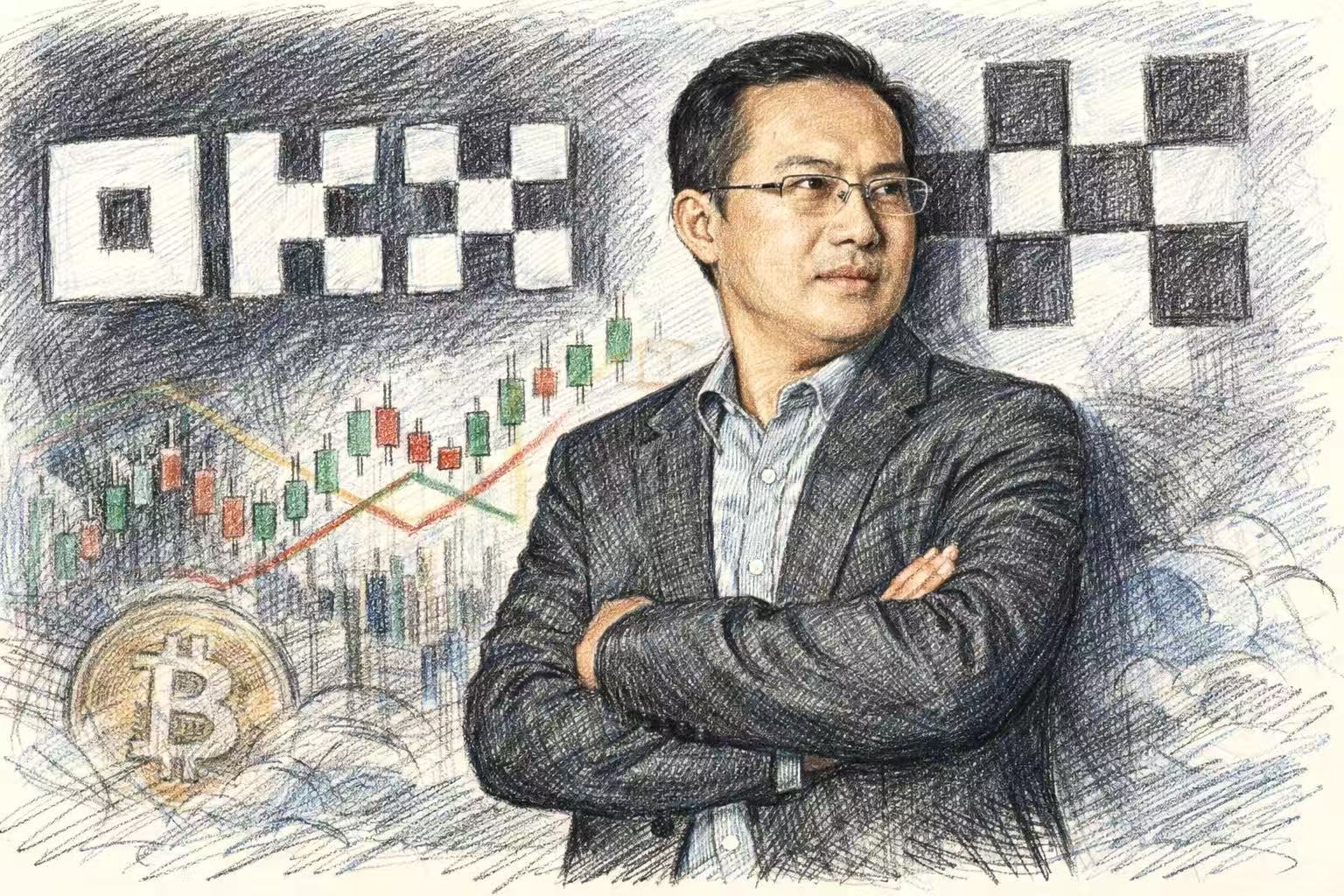
Intercontinental Exchange, the parent company of the New York Stock Exchange, has made a strategic investment in crypto exchange OKX and secured a seat on its board, lifting OKX’s valuation to about $25 billion. Financial terms were not disclosed. After the announcement, OKX founder and CEO Star Xu said on X that the deal should be viewed as the beginning of deeper coordination between traditional finance and digital financial infrastructure, not the endpoint.
Star Xu frames the US as a blank slate for OKX
Xu described the partnership as a new chapter for OKX in the US market. He said the company sees its US presence as a “blank slate,” giving it room to build carefully, engage with regulators and established financial institutions, and contribute to market infrastructure aligned with the standards of the world’s most advanced capital markets.
He also placed the move in a broader shift across finance. Blockchain, in his view, is improving how assets move and settle globally, while AI is changing market analysis and risk management. The point was simple. Security, transparency, and investor protection remain central even as the technology stack evolves.
Tokenized securities emerge as a key theme
A major focus in Xu’s post was tokenized securities and the digital representation of traditional assets. He argued that issuers may eventually be able to reach global investors directly through modern digital infrastructure while still benefiting from the governance models, market structure, and regulatory frameworks long associated with traditional exchanges.
That is where the ICE relationship becomes strategically important in his telling. Working with ICE and the broader New York Stock Exchange ecosystem could give OKX a chance to explore how those models develop responsibly, while connecting digital asset rails with established exchange infrastructure.
OKX points to scale and existing licenses
Xu said OKX now serves more than 120 million users globally and has obtained licenses in major financial jurisdictions. Over the past decade, he wrote, the company has built high-performance trading systems, on-chain technology, payment systems, and security frameworks designed to support markets at global scale.
He said cooperation between technology builders and traditional financial institutions will become more important as digital assets mature. In that context, the ICE investment is only the start. Xu said the two sides will explore how traditional exchange infrastructure and digital asset technology can complement each other in building stronger and more efficient markets.