
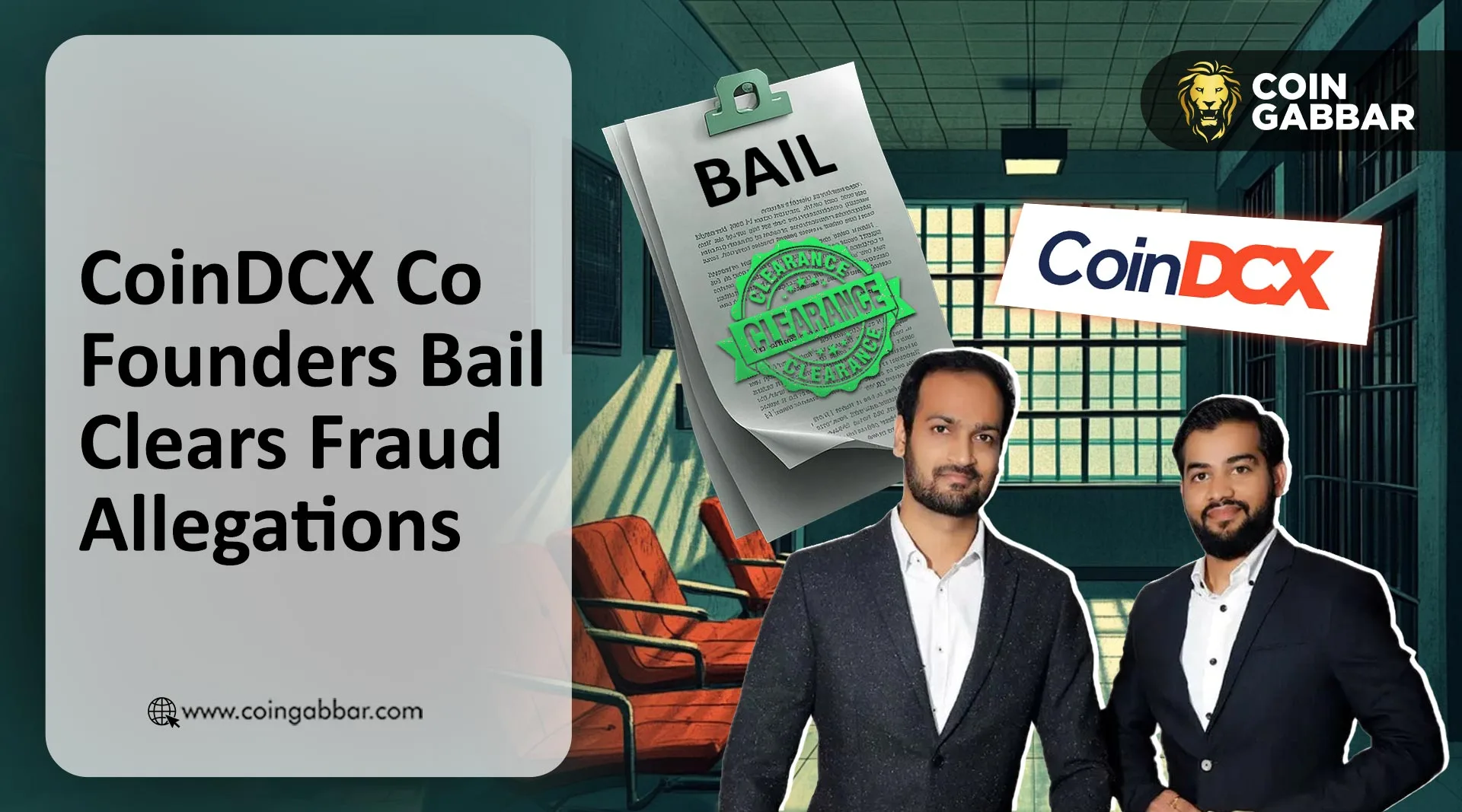
India's digital asset community secured a legal win as a Thane court on Wednesday granted bail to CoinDCX co-founders Sumit Gupta and Neeraj Khandelwal, clearing them of involvement in a fraud case. The two were arrested in Bengaluru on March 21 in connection with a scam totaling ₹71.6 lakh. However, the court determined the case stemmed from mistaken identity—the real perpetrators had been impersonating the executives.
The case flipped after the victim told the court he had already received his money back from someone else and emphasized he had never met Gupta or Khandelwal. Lacking credible evidence, Magistrate Nilesh Rathod allowed the bail, reiterating India's legal principle that "bail is the rule and jail is the exception."
How the coindcx.pro Scam Worked
Defense lawyers argued the fraud was executed by "unknown actors" who built a fake website at coindcx.pro, impersonating CoinDCX directors and promising monthly returns of up to 12%. The company reiterated that its sole official domain is coindcx.com, with no link to the counterfeit site.
CoinDCX's Anti-Impersonation Measures
CoinDCX had already secured a Delhi High Court order banning others from misusing its name. The exchange regularly posts scam warnings on its official app and website. Between April 2024 and January 2026, it reported 1,212 fraudulent websites to authorities. Core exchange services remain unaffected, with deposits and withdrawals operating normally.
The court noted the co-founders were not present at the crime location. Police continue to search for four other suspects. CoinDCX said stolen funds were channeled into third-party accounts unrelated to the company.
Brand Impersonation: A Growing Threat in Indian Digital Finance
The case underscores the rising problem of brand impersonation in India's digital finance space. Fraudsters are creating increasingly convincing fake websites to lure victims. Experts warn that identity theft is dangerous, as criminals leverage trusted names to add credibility. More tools to verify official websites may emerge, and tighter platform protections could follow. For investors, the golden rule remains: always double-check the URL. Any offer promising "guaranteed" high returns or demanding instant payment is almost certainly a scam.
This report is for informational purposes only and does not constitute legal or financial advice.