
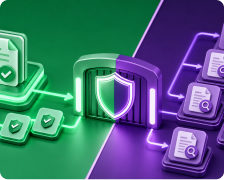
New projects flood the market weekly, and the AI crypto presale sector is especially crowded. IPO Genie ($IPO) has surfaced with promises of audited smart contracts, a $10 entry threshold, and what supporters call a “whale frenzy.” But audits don't guarantee safety, and whale activity can be misleading.
IPO Genie vs Nexchain: The Transparency Gap
The main selling point for IPO Genie is its audited contract. An audit, conducted by a firm like CertiK or Hacken, reduces the likelihood of technical exploits but does not remove market risk. Nexchain's audit status requires independent verification, and neither project makes token allocation or vesting schedules trivially accessible. Investors should demand downloadable PDF reports, not screenshots or social media claims. Good vesting means team tokens locked for 12+ months with gradual unlocks.
Whale Activity: Signal or Smoke?
“Whale frenzy” is a common urgency trigger. Large wallet accumulation can indicate early institutional confidence, but it also concentrates token supply—creating sell pressure when unlocks occur. Without verifiable on-chain data, the size and number of whale wallets remain speculative. Strong distribution models matter far more than headline buzz.
Tokenomics: The Math Behind 1000x Claims
Historically, only a few tokens achieved 1,000x returns. Common traits include low initial market cap, narrative timing, high post-listing liquidity, and real product demand. Using IPO Genie's example: if the presale price is $0.0001268 per token, a $1,000 investment yields ~7.886 million tokens. With a 35% bonus, that grows to ~10.65 million tokens. A 1,000x move would push the price to $0.1268, valuing the bag at roughly $1.35 million. But if the implied presale valuation already sits at $50 million, a 1,000x would require a $50 billion market cap—comparable to Ethereum. Statistically rare. Key factors to assess: total supply, circulating supply at launch, team allocation %, vesting duration, and liquidity allocation.
Risk Factors Beginners Must Understand
Before joining any AI presale, consider: contract vulnerabilities despite audits, regulatory shifts, liquidity delays after listing, unlock-induced sell pressure, and AI narrative fatigue. Markets are cyclical; even strong projects decline in downturns.
Five Checks Before Participating
① Verify the smart contract address from the official website only. ② Confirm the official domain. ③ Download and read the full audit report (check auditor name and date). ④ Review token vesting documentation. ⑤ Check regulatory disclosures for your jurisdiction. Never send funds based solely on influencer tweets or trending hashtags.
IPO Genie has entered the conversation thanks to audit transparency claims and early momentum. But separating marketing from verifiable data is crucial. For those hunting the next 1,000x, the disciplined path is: verify documentation → analyze tokenomics → model valuation scenarios → assess personal risk tolerance → avoid emotional decisions. High returns are possible, but never guaranteed. The best defense for retail investors remains transparent structure and rigorous research.