
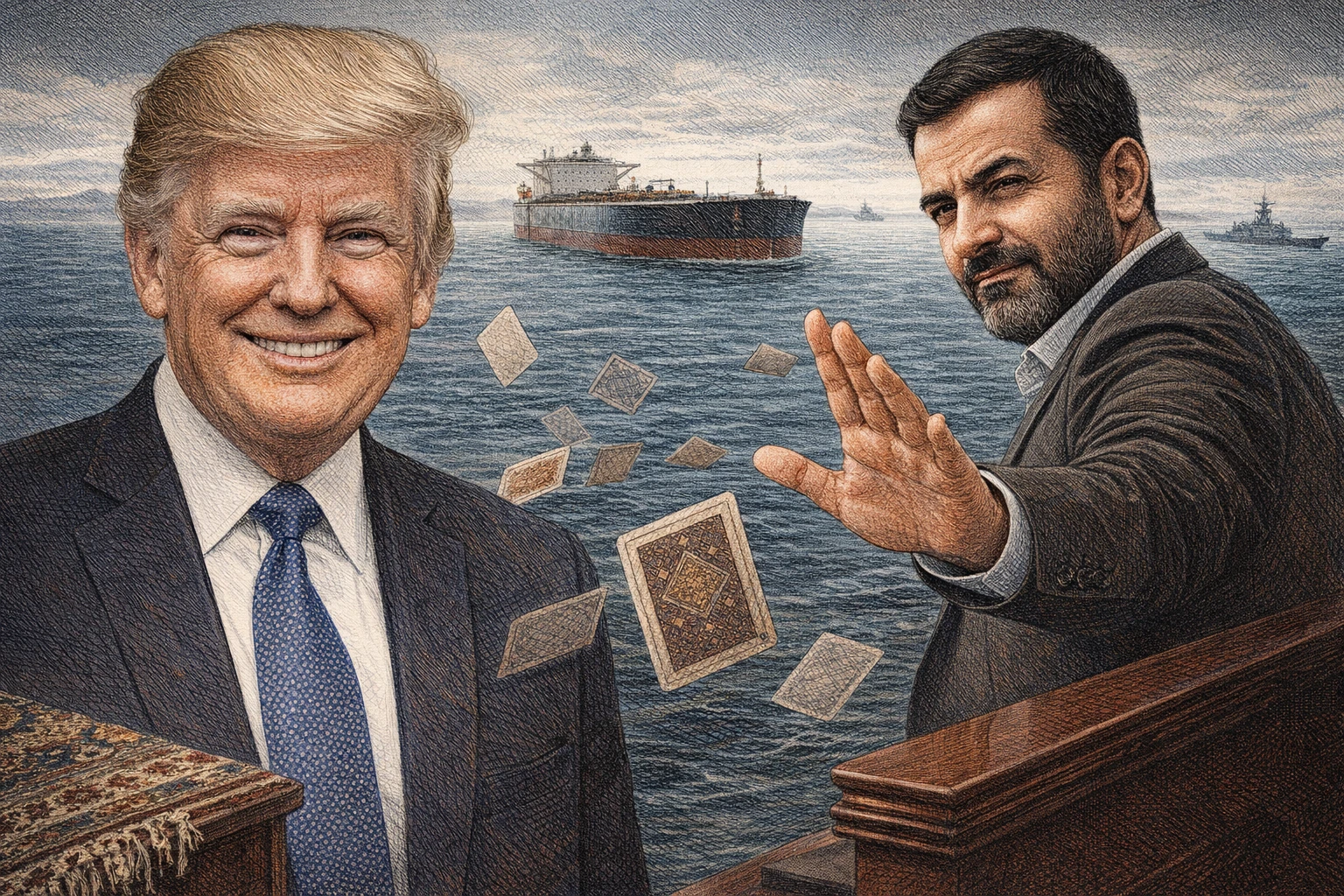
Iran's Parliament spokesman Ebrahim Rezaei hit back publicly on April 13, dismissing President Trump's threat to blockade the Strait of Hormuz as "more bluff than reality." Rezaei, one of the most hawkish voices in Iran's Parliament, placed blame for the broken negotiations squarely on the White House.
"If you want things to improve, respect the Iranian people, accept your defeat, and don't try to get at the negotiating table what you failed to achieve on the battlefield," Rezaei said bluntly. He then dropped a sterner warning: Tehran still has cards to play.
'Undisclosed Cards' Could Shock Markets
Rezaei revealed that Iran is prepared to take "further undisclosed actions" if tensions escalate. "We may reveal other cards that we have not yet used in the game," he said. Those moves, once triggered, could disrupt global markets. The Iranian military had earlier labeled the U.S. blockade plan as "amounting to piracy."
Broken Talks Spark Oil Price Surge
Trump declared on April 12, after the collapse of talks in Islamabad, that U.S. forces would blockade all vessels entering or leaving the Strait of Hormuz, citing the failure of negotiations. The order immediately jolted energy markets. WTI crude surged nearly 7% to $103.28 a barrel, while Brent jumped 6.5% to $101.40. Shipping through the strait has ground to a near halt—roughly 20% of the world's oil exports pass through this chokepoint, and any further escalation could push prices even higher.
Related reports note Bitcoin also fell below $70,600 on the same day, triggering heavy liquidations. Yet the market's primary focus remains the geopolitical standoff.