
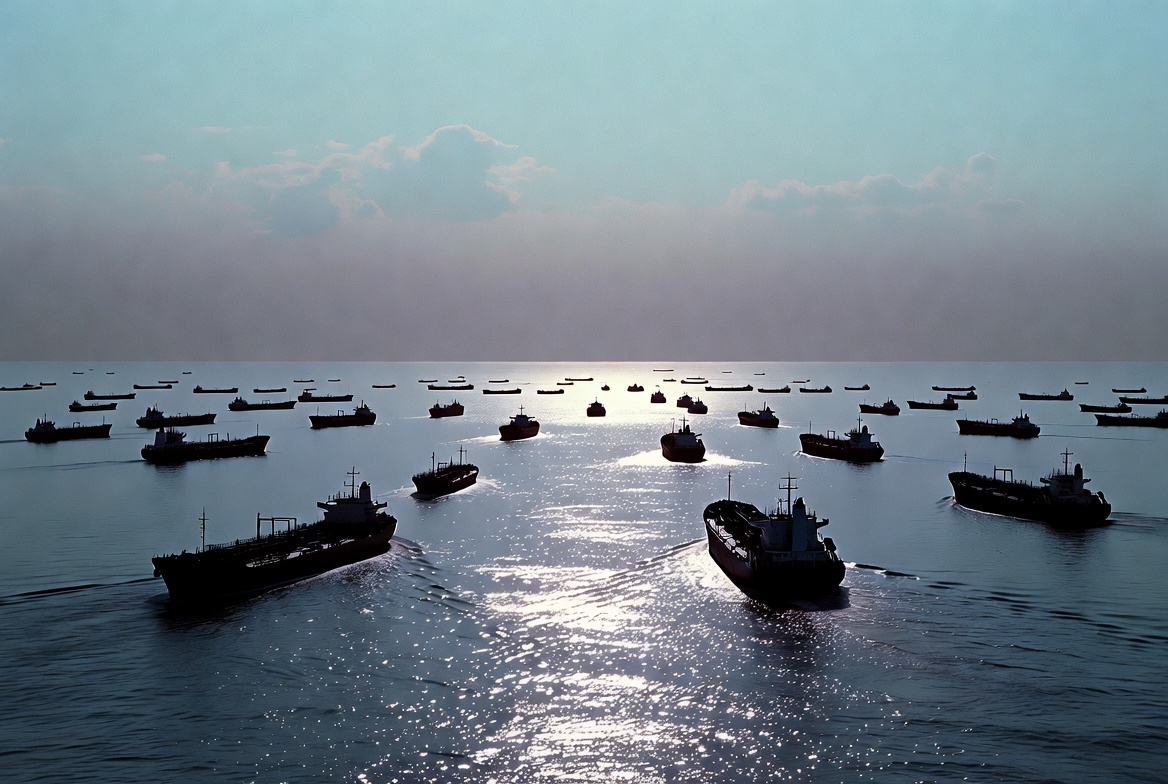
Iranian Foreign Minister Abbas Araghchi said the Strait of Hormuz will be “fully open” to all commercial vessels during the remaining period of the Lebanon ceasefire. Iran’s Ports and Maritime Organization also said shipping routes will remain the same as previously announced. The market reaction was immediate: international crude prices moved lower as traders cut back risk tied to Middle East shipping disruptions.
Opening Linked Directly to Lebanon Ceasefire
The statement connects the reopening of the waterway to the recent ceasefire arrangement in Lebanon, making it one of the clearest signs yet that tensions in the region have eased. For energy markets, that matters fast. The Strait of Hormuz sits at the center of global crude flows, so even a narrow policy change can alter pricing across shipping, insurance, and oil futures within hours.
The contrast with earlier restrictions is sharp. From March to early April this year, Iran imposed a strict maritime blockade on the strait after military tensions involving the United States and Israel escalated. At that time, Tehran said the passage was closed to “enemies” and allowed vessels from China, Russia, India, and other non-hostile or friendly countries to pass only after coordination with Iranian armed forces. The new wording, “fully open,” signals a broader and more formal relaxation.
A Chokepoint Carrying About 20% of Global Oil Trade
The Strait of Hormuz is widely regarded as one of the world’s most important energy chokepoints. According to the source material, around one-fifth of global oil trade, or 20%, moves through the passage. When access is restricted, tankers may be forced to reroute, transit times rise, and marine insurance costs can spike quickly. Those effects often feed straight into oil benchmarks.
That pressure had built up during the period of blockade and attack risk. With commercial transit now reopened, the market repriced almost immediately. Crude fell, reflecting lower concern that energy supply chains would face a near-term shock from shipping interruptions in the Gulf.
Lower Oil Prices Offer Relief to Broader Markets
The decline in oil prices is also relevant beyond the energy trade. The source notes that the United States and other major economies have been dealing with stagflation-related inflation pressure. A meaningful drop in crude does not remove that problem, but it does ease one of the most visible drivers of imported cost pressure for a time.
Attention now turns to whether the ceasefire holds and whether commercial passage through the Strait of Hormuz remains stable. For now, Iran’s decision to publicly declare the route fully open has already produced a clear market response.