
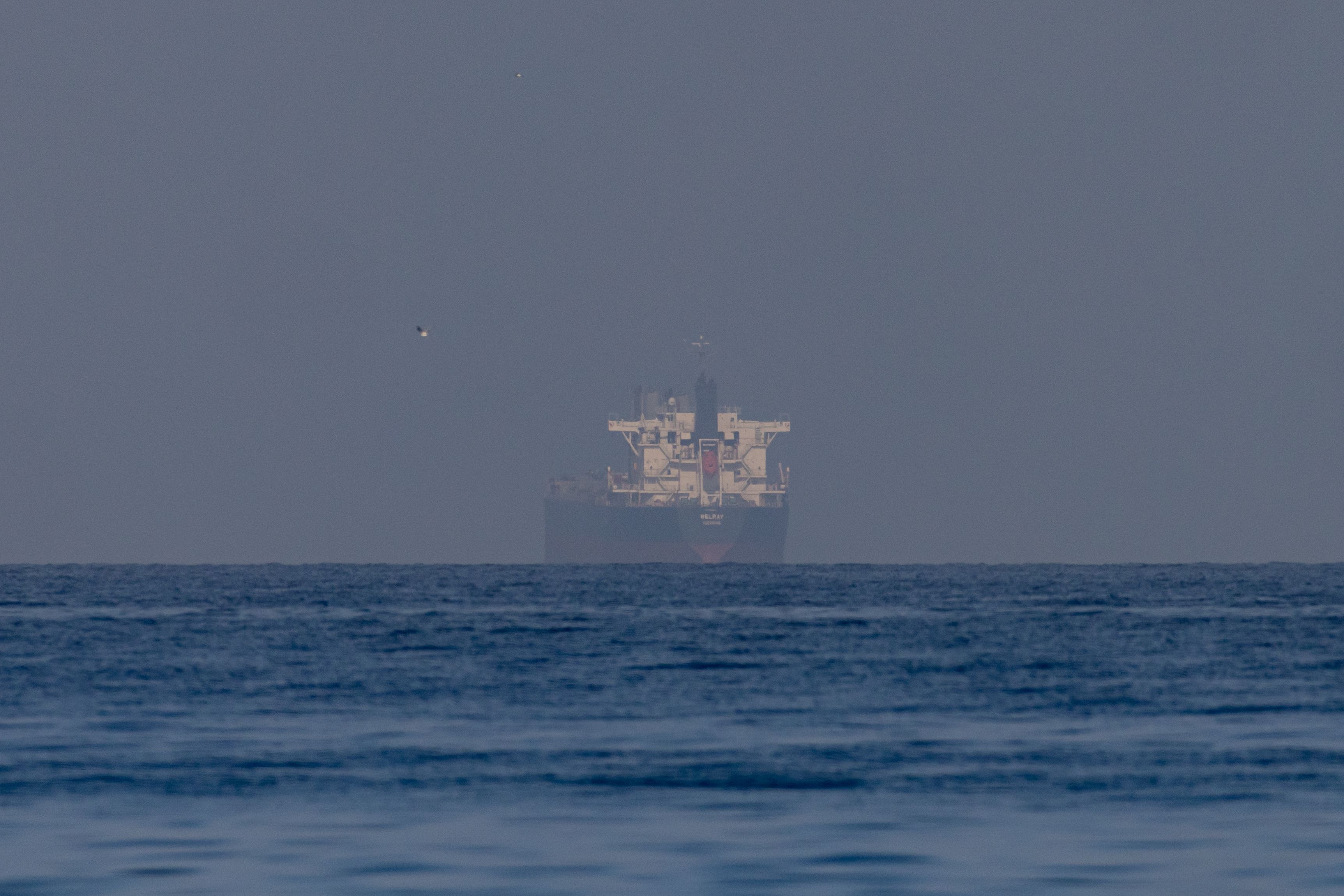
Iran’s economy ministry is reportedly working on a shipping management plan centered on the Strait of Hormuz, using marine insurance policies and financial responsibility certificates that would be settled in bitcoin.
According to state-linked Fars News, the platform is called Hormuz Safe and would cover maritime cargo moving through the Persian Gulf, the Strait of Hormuz and nearby waterways. Policies are said to be issued quickly, include cryptographic verification, and take effect once payment is confirmed. Cargo owners would then receive a signed digital receipt.
Website appears limited as core policy details remain unavailable
The website referenced in the report appeared to show only a landing page. Full policy wording, underwriting information, exclusions and claims procedures were not immediately available.
CoinDesk said it could not independently verify whether Hormuz Safe is operational or whether any cargo owners have actually used the service. That leaves the proposal in an early stage, with little public detail beyond the outline described in local reporting.
Insurance structure could monetize passage without a direct toll
The model appears designed to let Iran extract economic value from its position around the Strait without openly charging vessels a transit fee. The Strait of Hormuz remains one of the world’s most important energy chokepoints, with a large share of global oil shipments moving through it.
Under that structure, cargo owners would not be paying explicitly for passage, at least on paper. They would instead be buying insurance cover, financial responsibility certification, or inspection-related protection for ships operating in waters Tehran says it can secure.
Bitcoin settlement fits sanctions-era strategy but raises compliance exposure
The report links the bitcoin element to Iran’s long-running effort to reduce dependence on dollar-based systems under sanctions pressure. A BTC-settled marine insurance product would align with that direction.
At the same time, compliance risks are clear. Payments involving state-linked Iranian entities can still create sanctions exposure whether they move through banks, stablecoins or bitcoin. Shipowners, traders and insurers considering any interaction with Hormuz Safe would likely need legal review before proceeding.
Fars said the model could generate more than $10 billion for Iran, but it did not explain how that figure was calculated. If Hormuz Safe does go live, bitcoin would move into the settlement layer of one of the world’s most sensitive trade routes through an Iran-linked insurance product tied to cargo moving across the Strait of Hormuz.