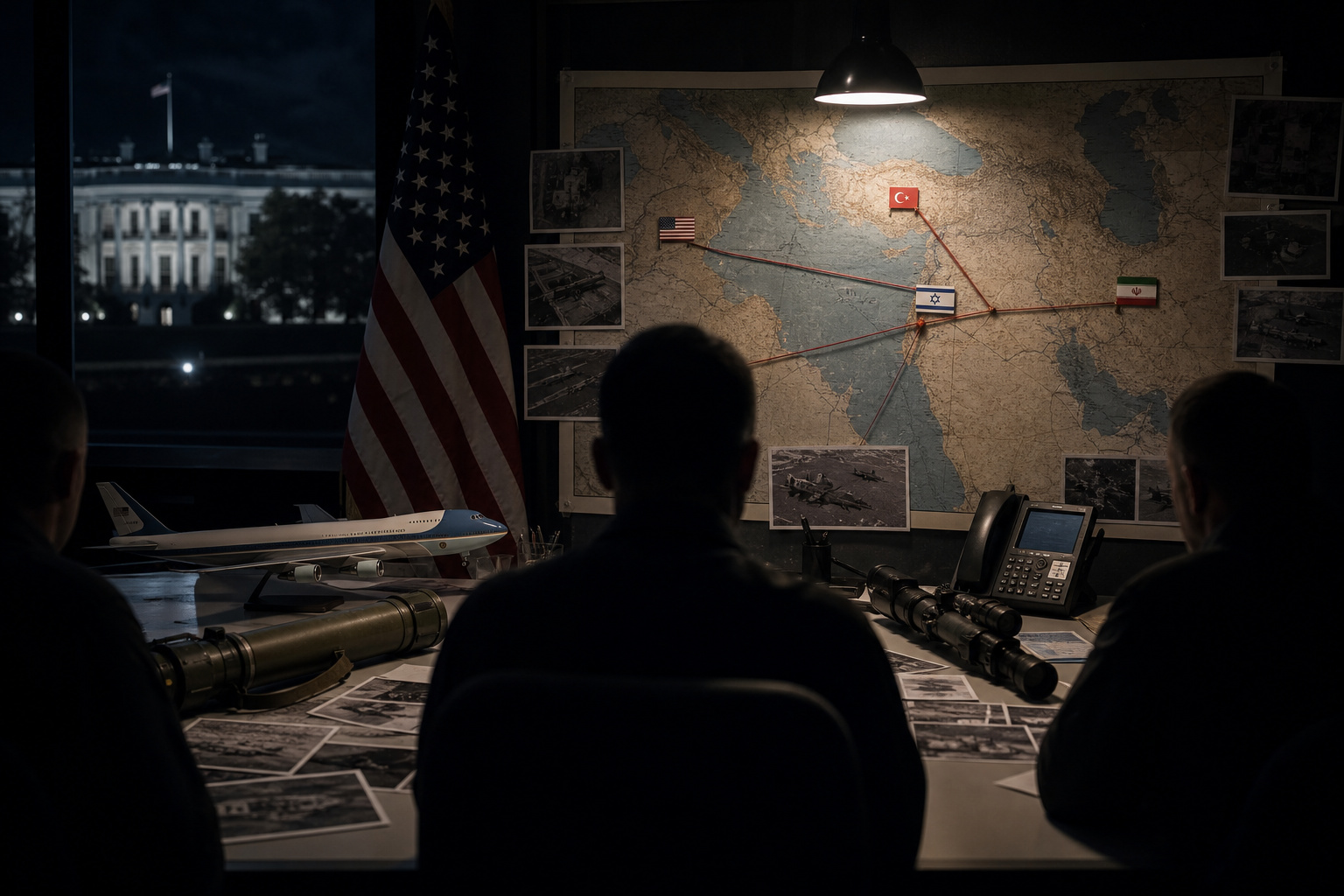
Multiple current and former U.S. officials said Israel repeatedly warned U.S. intelligence agencies and the White House over the past year that Iran was plotting to assassinate Donald Trump. The warnings reportedly described possible attack methods including snipers, assassins and a shoulder-fired missile strike. Those alerts began ahead of the June 2025 Israel-Iran conflict and increased sharply before the U.S. decision in February to take military action against Iran. One July warning said Iran might target Air Force One with a shoulder-fired missile while Trump was attending a NATO summit in Ankara, prompting U.S. security officials to move him to another aircraft. People familiar with the matter said the Central Intelligence Agency was never able to verify the specific assassination intelligence through independent channels and rated it as low confidence. Turkish authorities also said their intelligence service found no evidence at the time to corroborate the alleged threat. Even so, the intelligence still shaped Trump administration policy toward Iran, with one person saying the Israeli warnings were among the factors considered before Trump approved military action in February. U.S.-Iran tensions are now extending into the economic arena as Treasury Secretary Bessent said major new measures against Iran would be announced next week.
BlockBeats reported on Aug. 14 that multiple current and former U.S. officials said Israel repeatedly warned U.S. intelligence agencies and the White House over the past year that Iran was plotting to assassinate Donald Trump.
According to those officials, the warnings included specific scenarios involving snipers, assassins and shoulder-fired missile attacks.
The alerts began ahead of the June 2025 Israel-Iran conflict and increased noticeably before the United States decided in February to take military action against Iran.
In July, Israel also warned that Iran could try to strike Air Force One with a shoulder-fired missile while Trump was attending a NATO summit in Ankara, Turkey. U.S. authorities then adopted special security measures and moved Trump to another aircraft.
Still, people familiar with the matter said the Central Intelligence Agency was never able to independently verify the specific assassination intelligence provided by Israel and assessed it as "low confidence." Turkish officials also said their intelligence service did not find evidence at the time that could substantiate the alleged threat.
Even so, the intelligence affected Trump administration policy toward Iran. According to people familiar with the matter, Israeli warnings about an assassination plot were among the factors considered when Trump decided in February to take military action against Iran.
Tensions between the United States and Iran are now extending into the economic sphere. U.S. Treasury Secretary Bessent said a series of major measures targeting Iran would be announced next week, including tighter economic restrictions and continued military interdictions in the Strait of Hormuz to limit the flow of goods into and out of Iranian ports.
This article was originally published by Bit.Fan. For more cryptocurrency news and market insights, visit www.bit.fan. Disclaimer:
The market information, project data, and third-party content displayed on this platform are for industry information sharing only and do not constitute any form of investment advice or return commitment.
Cryptocurrency trading carries high risks. Users should fully assess their risk tolerance and make independent decisions. All profits, losses, and legal responsibilities are borne by the users themselves.