
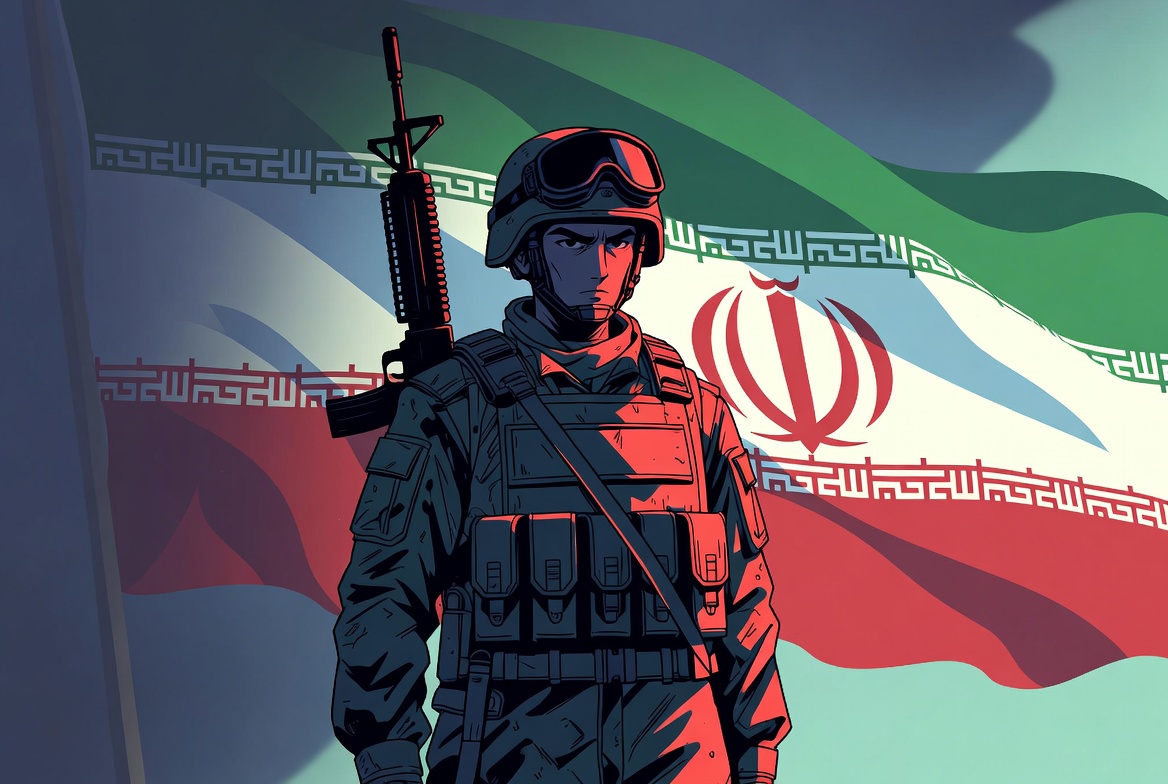
According to China Central Television (CCTV), Iran has officially published a "devastating retaliation list" targeting the United States and its allies. Tehran warned that if attacked or subjected to a continued blockade, it will launch full-scale retaliation, including completely sealing off the Strait of Hormuz, striking US aircraft carriers, and destroying oil facilities of related countries, aiming to slash global crude output by 25 million barrels per day.
After President Donald Trump issued a "shoot-on-sight" order against Iranian mine-laying boats near the Strait of Hormuz, Tehran responded with a tough military posture. According to CCTV's latest report, amid diplomatic setbacks and a complete loss of trust in negotiations, Iran has formulated a comprehensive counterattack target list based on two core principles: "proportional response" and "offensive deterrence."
Details of Iran's Six Retaliation Scenarios
The list outlines countermeasures under various extreme circumstances, with a scope and intensity far exceeding previous threats, directly endangering the global economic lifeline and US strategic infrastructure.
- Severing the oil artery: If Iran's oil and gas facilities are attacked, it will launch devastating counterstrikes against key oil and gas installations of Israel and US allies, aiming to reduce global oil production by 25 million barrels per day within a year.
- Full blockade of two straits: If the US naval blockade persists or escalates, Iran will immediately seal the Bab el-Mandeb Strait; if necessary, it will completely block the Strait of Hormuz through "large-scale mine-laying," cutting off all Middle Eastern oil export routes.
- Carrier strike: If Iranian territorial integrity is violated (e.g., islands or ports occupied), the military will launch large-scale joint attacks using ballistic missiles, cruise missiles, and drones against aircraft carriers and attack helicopters of the relevant nations.
- Infrastructure and tech warfare: If power plants are hit, Iran will destroy power plants in Israel and other US allies with missiles and drones; if senior political or military leaders are assassinated, retaliation targets will shift to "information technology (IT) and artificial intelligence (AI) computing centers" of those countries.
- Ground war and hostage tactics: If US forces launch a ground invasion using Middle Eastern bases, Iran will coordinate with the "Resistance Front" and local armed groups in host nations, relying on local populations to capture US soldiers.
- Global interest raids: Beyond the Middle East, Iran does not rule out surprise attacks against US global interests outside the region.
Global energy crisis and market panic countdown
The release of this retaliation list signals Tehran's willingness to risk mutual destruction. In particular, the threats of reducing global crude output by 25 million barrels per day and fully sealing the Strait of Hormuz, if executed, would deliver a catastrophic blow to the global energy supply chain, potentially triggering a new wave of hyperinflation and economic recession. Market risk aversion has already intensified, with bitcoin and other risk assets facing short-term pressure while gold and other precious metals attract safe-haven inflows.