
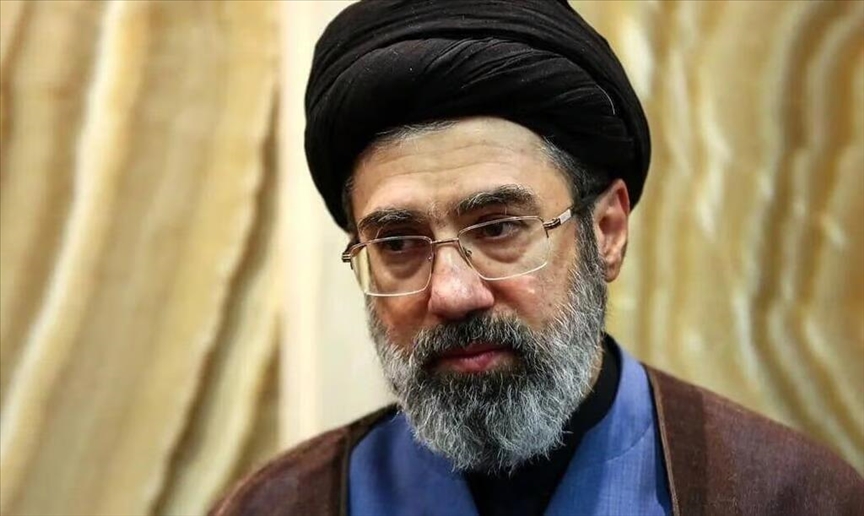
Middle East geopolitical tensions escalated sharply on March 12, 2026, as Iran's newly appointed Supreme Leader Sayyid Mojtaba Khamenei issued his first public statement via state television. The address—read by an announcer rather than delivered in person—matched official accounts that he was slightly injured in an earlier US-Israeli strike. The tone was unyielding, dashing any hopes that leadership change might open the door to a ceasefire.
Blockade of the Strait of Hormuz: Choking the World's Energy Artery
Khamenei explicitly ordered Iran to continue using the Strait of Hormuz as a key pressure tool against the United States and its allies. The strait carries about one-fifth of global oil shipments; any effective blockade would push crude prices sharply higher. The U.S. Central Command has been clearing Iranian mine-laying vessels in the area to break the blockade. Direct confrontation over this energy lifeline is now at a peak.
Vengeance for His Father: A Blood-for-Blood Oath
The conflict—called the Ramadan War—carries a deeply personal dimension for Khamenei. His predecessor and father, Ali Khamenei, was killed in an airstrike in late February or early March. Mojtaba was quickly elevated to the post by the Assembly of Experts on March 8-9, backed by the Islamic Revolutionary Guard Corps. In his statement, he mourned his father as "strong as a mountain" and noted that his mother, wife, and sister—all considered martyrs—demanded revenge. He declared that Iran would not back down, would exact compensation from the enemy, and would destroy equivalent enemy assets if the U.S. refused—a straightforward blood-for-blood pledge.
Warning Arab Neighbors: Close US Military Bases Now
Khamenei also targeted Middle Eastern states that host U.S. troops. He urged them to shut down American military bases, calling them tools of U.S. control. If ignored, Iran would continue to launch "legitimate strikes" against these bases. In the final part of his address, he praised Iran's armed forces and the "Axis of Resistance" for their blows against the enemy and hinted that Iran might open "other new fronts" if national interests demand it. Analysts say the statement effectively closes the window for diplomacy, signaling that the region may face even harsher turbulence ahead.