
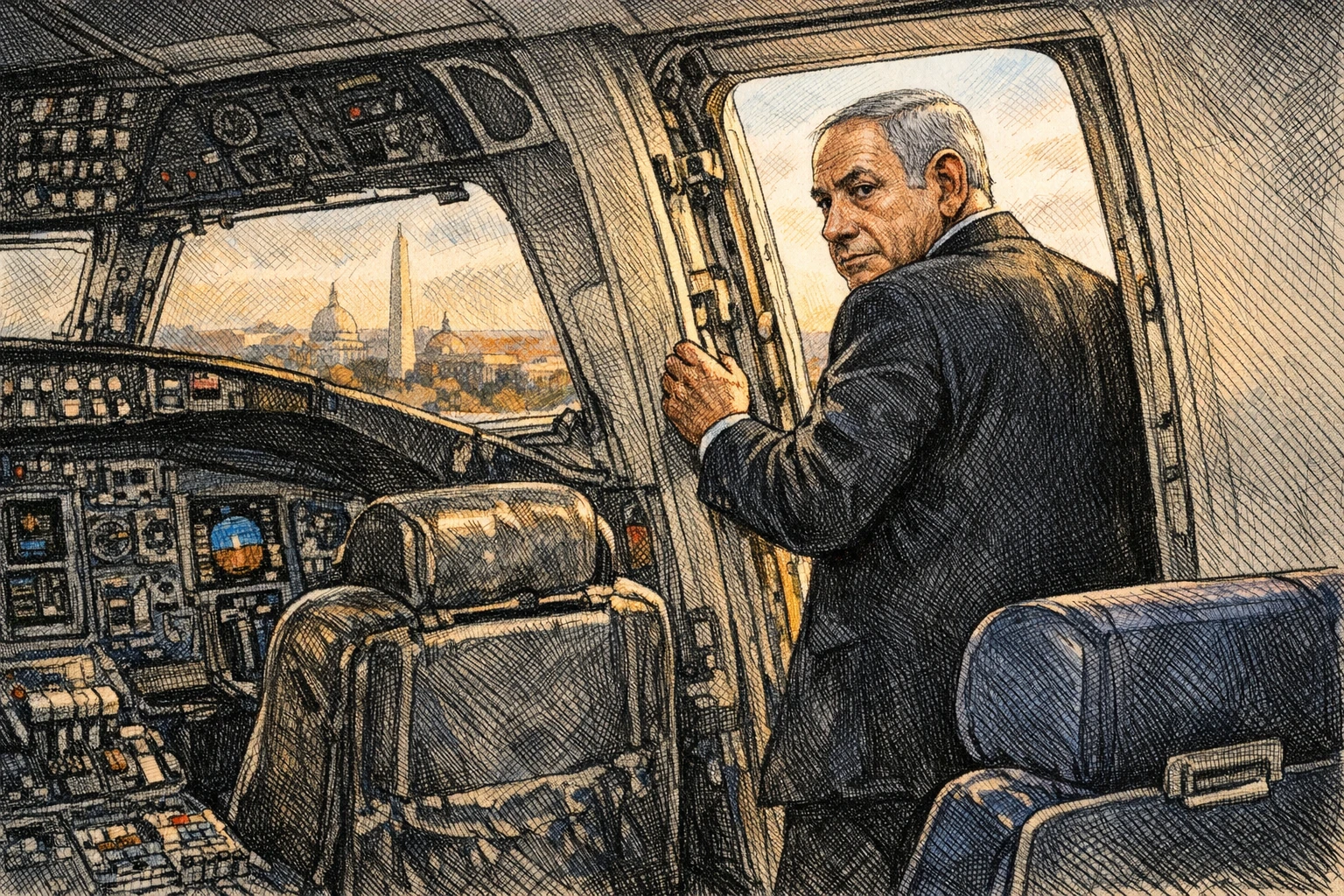
Israeli Prime Minister Benjamin Netanyahu has ordered the country's military readiness to be raised to its highest level amid fears of an escalation with Iran. The move comes as a new analysis by The New York Times reveals that Israel has been largely pushed out of the loop after Washington launched direct peace talks with Tehran.
From Cockpit to Economy Class: Israel's Reversal
At the start of the US-Iran conflict, Netanyahu was the driving force behind Washington's strategy. He chaired high-level meetings, pushed for joint strikes, and advocated for regime change in Tehran. Israel wasn't just an ally—it was the engine of US Middle East policy. But once the US shifted to direct diplomacy, Washington swapped the alliance framework for one-on-one talks, shunting Israel to the sidelines.
Israeli officials are now largely excluded from negotiations and must rely on regional diplomacy (via the Arab League, Gulf states) and their own intelligence networks for updates. For a nation that sees itself as 'the Middle East's indispensable player,' this is a painful demotion. Analysts say it weakens Israel's grip on regional dynamics and could hurt Netanyahu's 2026 re-election chances, as voters question the shrinking of Israel's 'special seat' in Washington.
Military Maxim: Israel Ups Readiness
Jerusalem isn't idle. According to the report, Israel is actively filling intelligence gaps through Arab League and Gulf channels, plus its own spy networks. More importantly, a growing number of Israeli decision-makers now see over-reliance on US patronage as a liability. That has driven the military to boost alertness to maximum, preparing for any Iranian retaliation or regional flare-ups. It's both a defensive move and a signal that Israel can flex its own muscle even when left out of the diplomatic room.
Related coverage: US reportedly prepares for military strike on Iran; US halts $14 billion in arms sales to Taiwan, citing need to reserve munitions for a potential Iran war.