
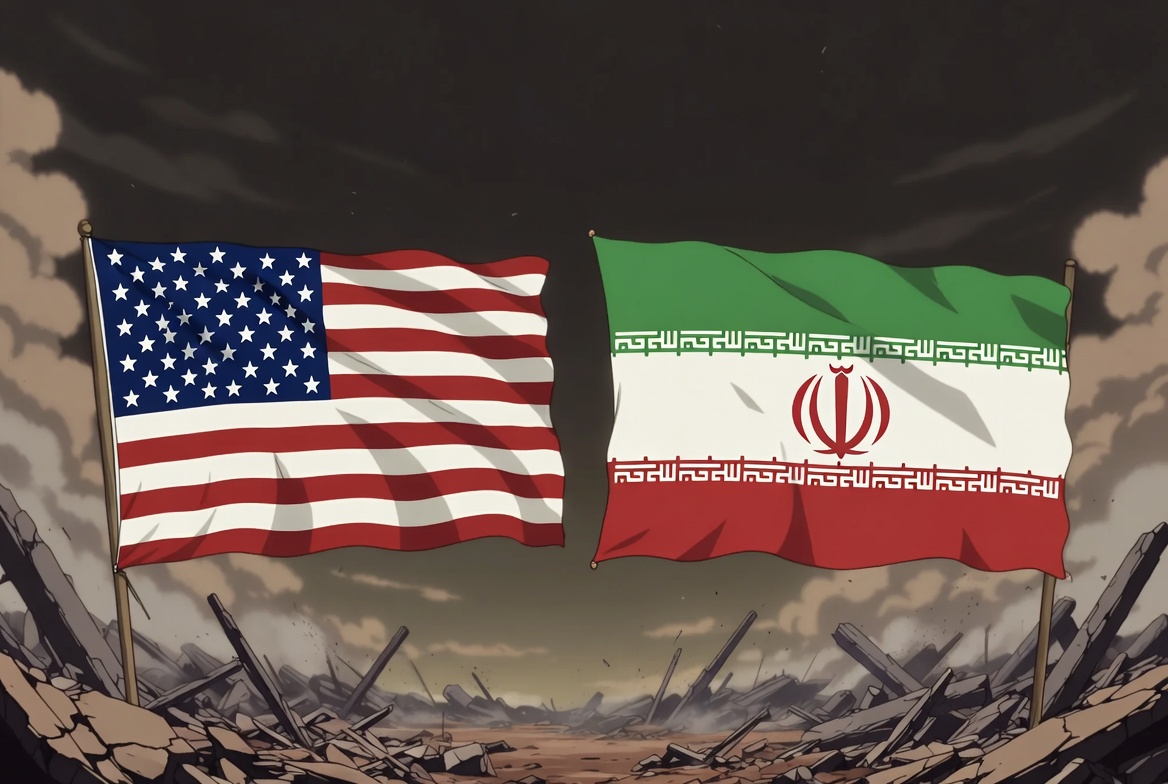
US Vice President JD Vance departed on the evening of April 10 local time in Pakistan for Islamabad, where he is set to take part in closely watched US-Iran peace talks. Before boarding, Vance said President Trump had given “quite clear guidance” for the negotiations and added that he was looking forward to substantive bilateral talks on Iran.
Vance heads to the talks as the top US representative
According to the report, the American delegation traveling to Pakistan is being led by Vance, making him the highest-ranking US official involved in the meeting. His pre-departure remarks were brief, but they signaled that the White House has already laid out a defined negotiating line. Attention is now centered on what limits Washington will bring to the table and whether the two sides can move discussion forward on the main points of dispute.
Iranian leaders harden their tone before the meeting
The atmosphere surrounding the talks remains tense. Iranian Parliament Speaker Mohammad Bagher Ghalibaf accused the United States and Israel of violating the basic terms for negotiations through drone incursions into airspace and by refusing a ceasefire. Under those conditions, he said, pursuing talks would be “highly unreasonable.” The statement highlights how little trust exists between the two sides even as the formal meeting draws near.
Oil and global markets are watching the outcome closely
The stakes extend well beyond diplomacy. Any shift in the Middle East situation could affect energy prices, inflation expectations, and broader capital markets. The report said that if the Islamabad talks produce even a preliminary consensus, pressure from regional conflict on global inflation could ease. If the talks collapse, however, any temporary ceasefire arrangement could break down as well. In that case, Iran could move toward extreme steps such as blocking the Strait of Hormuz, with international oil prices and global markets exposed to sharper swings.
For now, the US delegation is en route. What matters next is whether the two sides can turn a heavily strained setting into a workable negotiating session.