

Jito has published governance proposal JIP-38, laying out a plan to use all of the DAO’s revenue share from its new trading platform JTX to buy back JTO on the open market and permanently burn the tokens. Under the proposal, the DAO would receive 80% of JTX platform fees, and the commitment would stay in place from JTX’s launch through at least the fourth quarter of 2027.
The proposal was disclosed on July 13, 2026. Jito describes the arrangement as a stricter value-capture policy for new revenue, with buybacks and burns executed through an on-chain verifiable process.
JTX adds a new revenue line
Jito is a Solana infrastructure project focused on MEV, or maximal extractable value, and liquid staking. Its core products include JitoSOL, Block Engine and Block Assembly Marketplace, or BAM. According to the source article, those products are designed to help validators and stakers capture MEV more efficiently while improving block-building services on Solana.
In July 2026, Jito announced JTX as a move from infrastructure into the application layer. JTX is described as a self-custodial trading platform that will initially offer spot trading and equity-like assets, with perpetual contracts scheduled for later this year. Early users are set to receive priority access, permanent usernames and referral rewards.
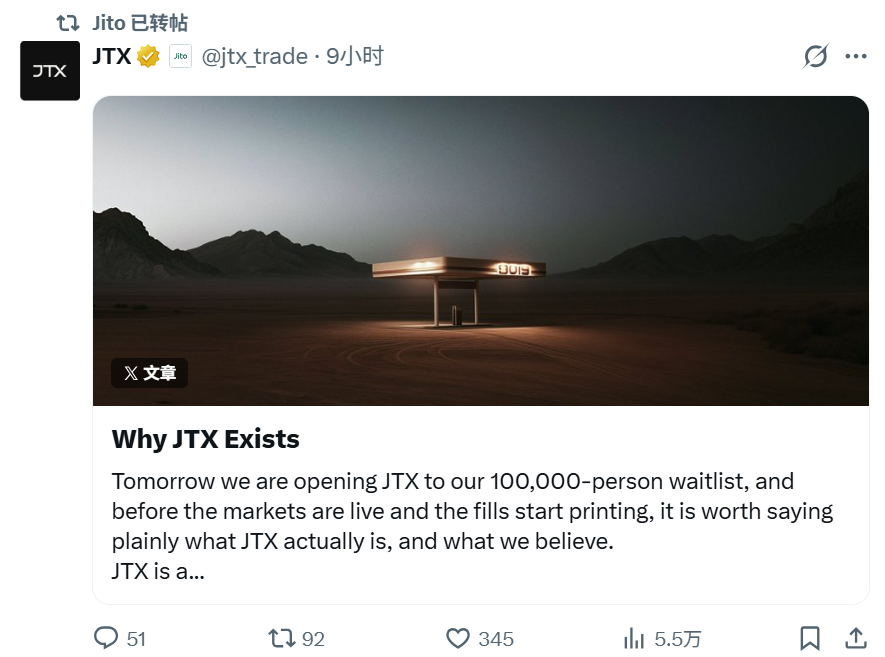
Jito positions JTX as an extension of its MEV protection and ordering capabilities into trading. It also gives the DAO another potential source of revenue.
What JIP-38 says
According to the full text of JIP-38 published on Jito’s official forum, the proposal first defines Jito Network as a token-centric network. Outside of the 20% of JTX fees reserved for reinvestment and development, the proposal says all major network revenue, including JitoSOL-related fees, BAM revenue, Block Engine revenue and JTX’s 80% share, would flow to the DAO and be governed by JTO holders.
The proposal leaves room for token holders to decide how those revenue streams are used. Options listed in the source article include value accrual measures such as buybacks, burns or future distributions, as well as growth spending such as subsidies, incentives and expansion.
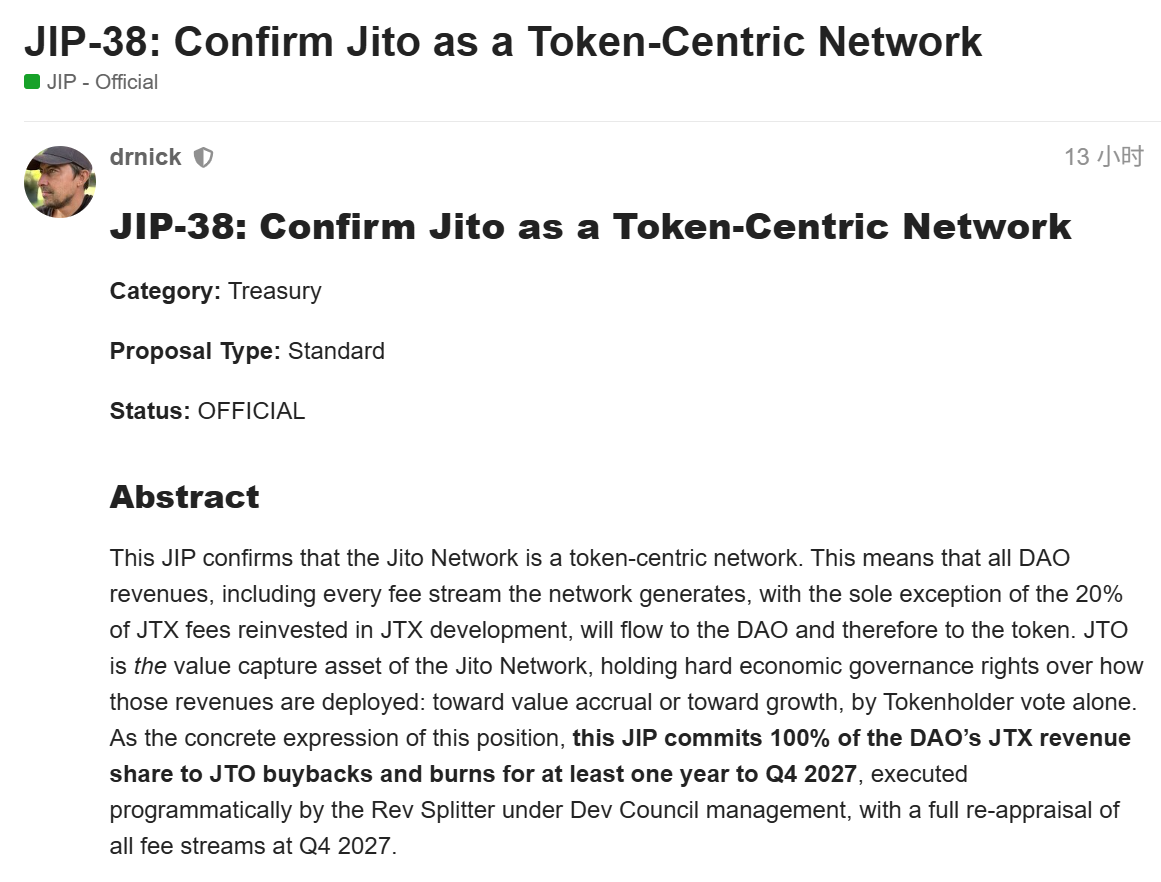
For JTX specifically, though, the proposal takes a harder line: 100% of the DAO’s JTX revenue share would be directed to programmatic open-market buybacks of JTO, and every token purchased would be burned. The policy would run for at least one year and then be fully reassessed in Q4 2027.
Execution and reporting
At the execution level, Jito plans to introduce a Rev Splitter mechanism to collect JTX platform fees and carry out the buybacks programmatically. The mechanism would be managed by the Dev Council under a revocable authorization framework, with gradual moves toward more automation and decentralization.
The proposal says the Dev Council would provide epoch-by-epoch reports to the DAO, covering fee collection, the amount of JTO purchased, the amount burned and the related on-chain references.
Revenue outside JTX would continue under existing arrangements. The source article says the BAM subsidy program will keep running under JIP-37 until a hard stop in the third quarter of 2026, after which it would return to normal DAO governance. In Q4 2027, an analysis firm is expected to submit a full fee-flow report covering buyback performance and growth returns, and JTO holders would then decide the next phase of revenue routing through another JIP.
The options listed include a full buyback-and-burn model, JTX buybacks combined with other growth spending, post-buyback distributions, or any other configuration approved by token holders. The proposal says the final decision remains with JTO holders.
Price history, unlocks and staking pressure
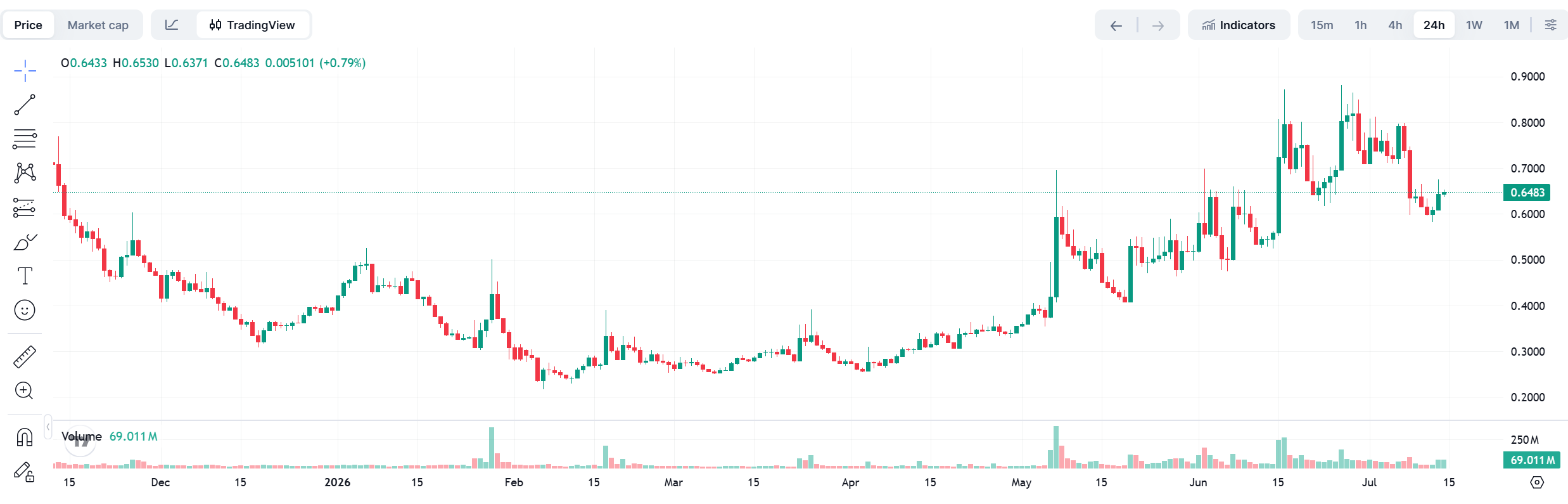
The article notes that JTO once reached an all-time high of $5.3, then fell to $0.21 in February this year, a drawdown of more than 96%. It has since rebounded to $0.63, with a recent high of $0.8853.
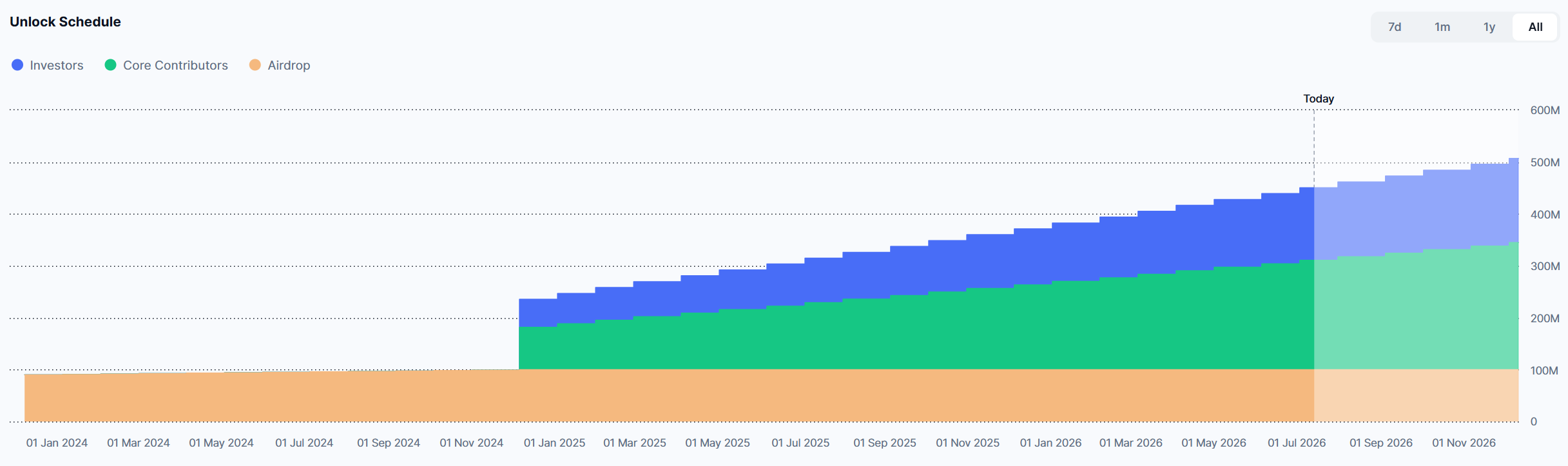
The source also points to token unlock pressure. It says JTO is currently unlocking 1.15% of maximum supply each month, or 11.31 million tokens, valued at more than $7.3 million by the article’s calculation. The article describes that steady supply overhang as one factor weighing on the token during a deep bear market.
A turning point for Jito
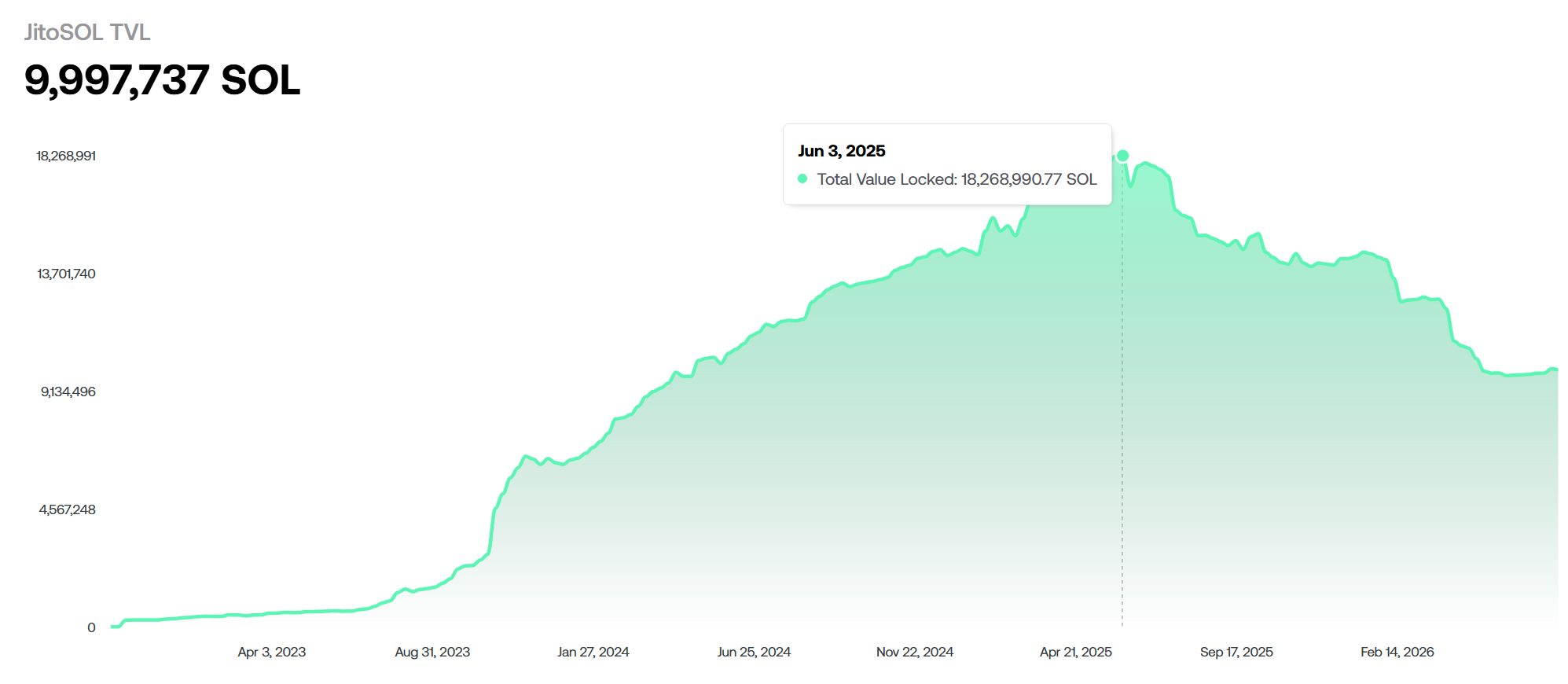
According to the latest figures cited from the JitoSOL website, SOL staked through the protocol has dropped from 18 million in June 2025 to below 10 million. The source article argues that the Solana liquid staking market has become far more competitive, pointing to Sanctum’s multi-token structure, Jupiter’s JupSOL zero protocol take rate and a steady rise in restaking yield products across the ecosystem.
Against that backdrop, the article frames JTX as Jito’s attempt to build another cash-generating business. For JTO holders, the proposal would give the token a more direct value-capture path if JTX can generate enough trading volume and fee income. Still, the result depends on JTX’s actual revenue, and the platform remains at an early stage while competing with other Solana DEXs and trading venues.