
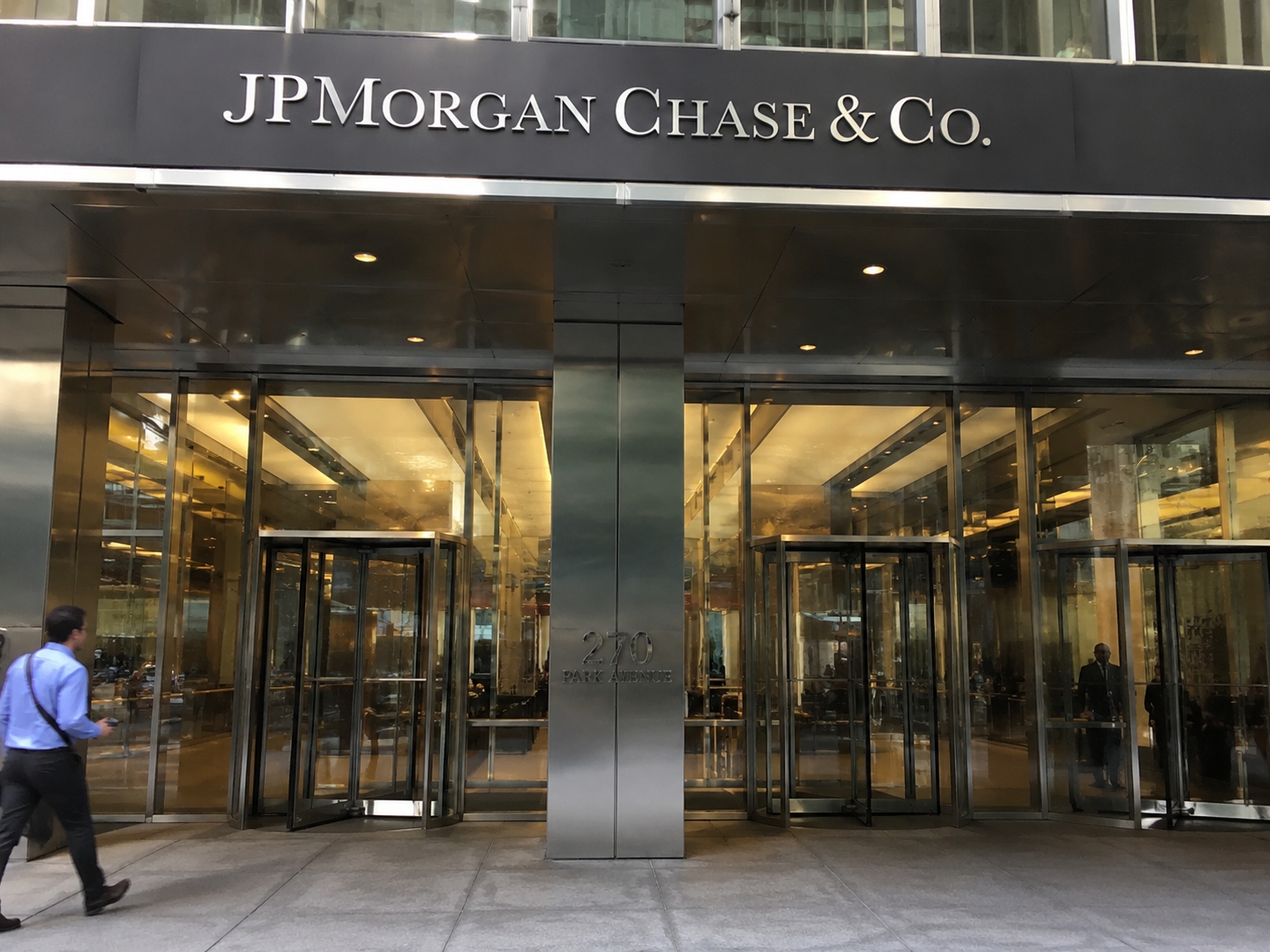
Coinbase Institutional co-head Brett Tejpaul revealed in a recent interview that JPMorgan has migrated its dollar deposit token JPMD to a public blockchain and selected Solana for a corporate bond issuance by Galaxy Digital, settled in USDC. “Crypto infrastructure can now send a penny anywhere in the world in one second,” Tejpaul said.
JPMD Goes Public, Solana Handles Bond Settlement
Tejpaul confirmed that JPMorgan’s JPMD token — representing client dollar deposits — is now live on a public blockchain, enabling peer-to-peer transfers between institutions. Separately, JPMorgan arranged a corporate bond for Galaxy Digital on Solana, using USDC for settlement. Coinbase itself purchased a portion of the bonds, held them in treasury, and provided custody. It is among the earliest securities issuances executed on a public blockchain in the U.S.
Tejpaul also cited an unnamed case: one of the top five global payment providers is migrating its entire payment system to blockchain. A top-20 global bank chose to embrace the technology rather than lose clients. “When Amazon opened its infrastructure as AWS, we’re doing the same,” Tejpaul noted. Five of the top 20 banks now rely on Coinbase’s infrastructure. His verdict: 2026 is the tipping point for financial migration; early adopters will become long-term winners.
Clarity Act Paves Way for Institutional Floodgates
On May 14, the Clarity Act — a U.S. crypto market structure bill — passed the Senate Banking Committee with a 15-9 bipartisan vote. It moves to the full Senate. The framework includes self-custody protections, safe harbors for DeFi developers, clear SEC/CFTC jurisdiction, and a path for decentralized tokens to “graduate” as commodities. Altcoin Daily’s Austin Arnold noted that institutions have been testing the waters but big money stayed out due to regulatory uncertainty; Clarity Act’s passage removes that final barrier.
On the other side, Russian Foreign Minister Lavrov recently called for a BRICS independent cross-border settlement system not controlled by any single party, settling in local currencies instead of the dollar or euro. Whether Wall Street embraces public blockchains or BRICS builds an alternative, the underlying narrative is the same: global settlement infrastructure is being rewritten, and blockchain is the bet both sides are placing.