
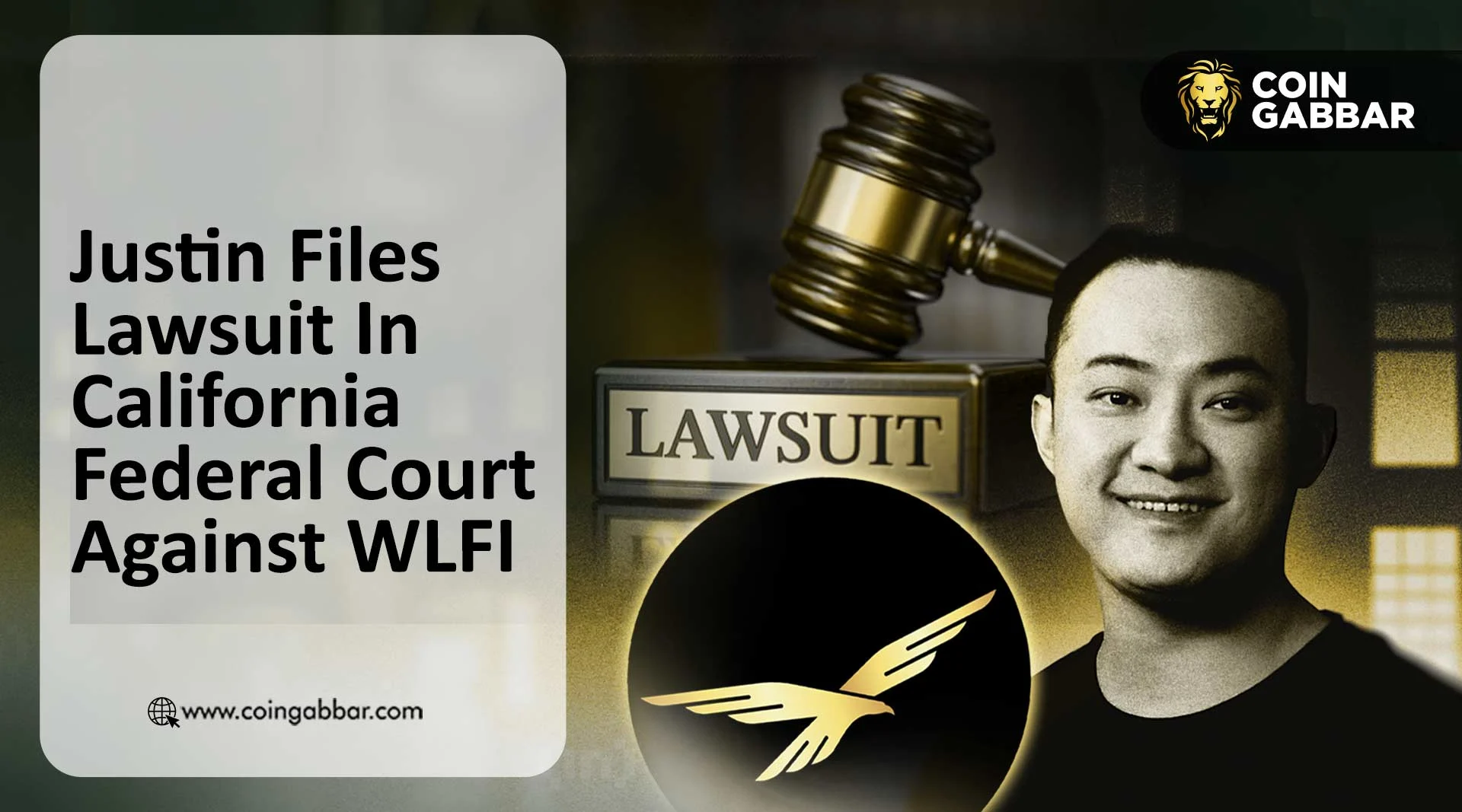
Justin Sun, the founder of TRON, has formally filed a lawsuit against World Liberty Financial, setting up a legal fight between a major crypto investor and a project linked to the Trump family. Sun alleges that WLFI used a hidden backdoor in its code to freeze tokens tied to his $75 million investment, cutting him off from the project and preventing him from taking part in its future direction.
According to the source material, Sun said he still backs President Trump and his pro-crypto agenda, but accused certain people on the WLFI team of behaving like dictators and damaging the project’s reputation. He also said he had tried to resolve the dispute privately before going to court, but claimed the team refused to unfreeze his assets.
Frozen tokens and blocked governance rights sit at the center
The legal dispute goes beyond the size of the investment. Sun’s complaint, as described in the source, argues that WLFI used concealed administrative powers to lock his tokens, effectively excluding him from the project’s governance and future decisions. He is asking the court to order the team to unfreeze the tokens and halt what he called bullying tactics.
The case has also revived a broader question around DeFi governance. If a small group of anonymous operators can freeze a large holder’s wallet in one action, critics are asking whether such a system can still be described as decentralized. No ruling has been issued, but the lawsuit has already pushed that argument back into focus.
April 15 proposal intensified the conflict
The source says a new governance proposal released on April 15 added to the dispute. Under that plan, investors would have to burn 10% of their tokens to retain their rights. Sun labeled the proposal an absurd scam and argued that the team was using frozen balances to pressure token holders into accepting terms that benefited insiders.
Because his tokens were allegedly frozen, Sun said he could not vote against the proposal even though he held a large position in the project. That detail widened the issue from asset control to procedural fairness, especially over whether major token holders can meaningfully exercise their voting rights.
The ruling could shape limits on admin control in DeFi
The source cites legal experts saying either outcome could have consequences across the crypto sector. A win for Sun could weaken the use of admin keys and hidden control functions to restrict investor assets. A win for WLFI, by contrast, could reinforce the authority of project teams to impose platform rules and justify freezes under their own governance framework.
WLFI has not softened its stance and responded with a direct challenge to meet in court. The source also says the price of $WLFI has been sliding as confidence fades. What happens next in the case is likely to keep attention on investor rights, governance fairness, and how much control DeFi teams should be allowed to retain over user assets.