
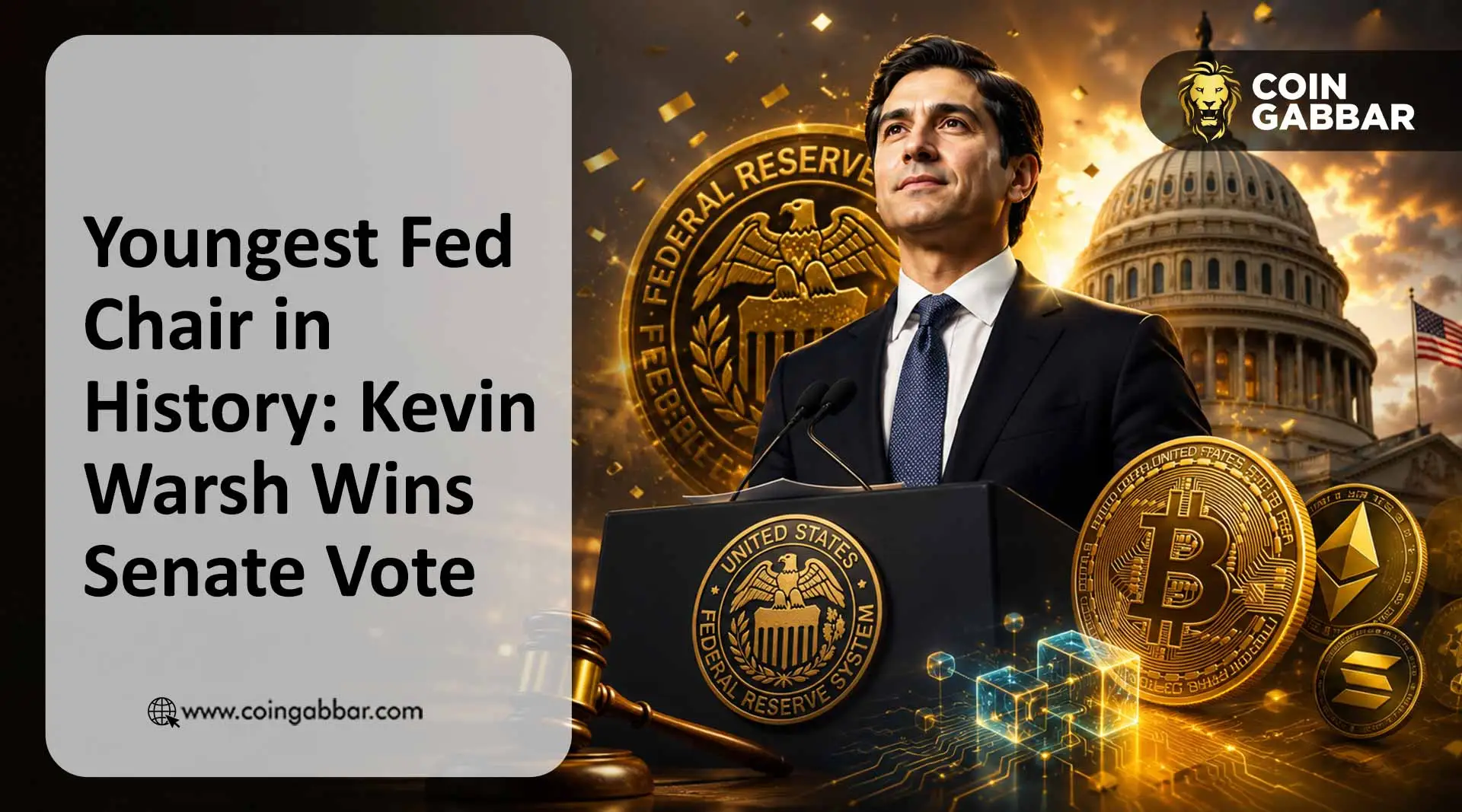
The U.S. Senate confirmed Kevin Warsh as the next Federal Reserve Chair by 54 votes to 45, the narrowest margin for any Fed chair nominee since the modern confirmation process began in 1977. Warsh will officially replace Jerome Powell on May 15 and chair his first Fed meeting on June 16–17.
A Partisan Confirmation Battle
The vote largely followed party lines: most Republicans supported Warsh, with only one Democrat, John Fetterman, crossing the aisle. Several Democrats argued the White House could pressure Warsh to cut rates quickly, undermining the central bank’s independence. The White House celebrated immediately, posting photos of President Trump alongside Warsh in the Oval Office. In addition to a four-year term as chair, Warsh also gains a 14-year seat on the Fed Board of Governors. Powell will remain on the board after stepping down as chair.
Inflation Pressure and Independence Pledge
During his hearing, Warsh vowed to keep the Fed “strictly independent,” insisting politics should stay out of monetary policy. Skeptics remain unconvinced. Senator Elizabeth Warren called him a potential “sock puppet” for the administration. Fresh inflation data added urgency: the April Producer Price Index rose 6% year-over-year, driven by surging energy costs. Warsh faces a difficult balancing act—cut rates to stimulate growth or hold steady to contain inflation.
From Wall Street to the Fed’s Top Job
Warsh brings deep finance experience. At 35, he joined the Fed Board in 2006, becoming the youngest governor ever. During the 2008 crisis, he worked closely with then-Chair Ben Bernanke on rescue plans. Before the Fed, he handled mergers and acquisitions at Morgan Stanley. After leaving the Fed in 2011, he joined Stanford’s Hoover Institution and taught at the business school. He also worked with billionaire investor Stanley Druckenmiller at Duquesne Family Office.
Personal Wealth and Scrutiny
Warsh is married to Jane Lauder, daughter of billionaire Ronald Lauder, whose family owns major stakes in Estée Lauder Companies. His name also appeared on guest lists tied to convicted financier Jeffrey Epstein, though Warsh has denied any personal or financial link to Epstein. Supporters describe him as calm and market-friendly; critics fear political influence could weaken Fed independence in a fragile economic period.
CLARITY Act Takes Center Stage
With Warsh confirmed, market attention quickly shifts to crypto regulation. Many industry watchers expect renewed momentum around the CLARITY Act, which aims to define how U.S. agencies classify digital assets, exchanges, and crypto tokens. If passed, the law could bring much-needed legal clarity to the crypto sector. Investors, traders, and global markets now watch for Warsh’s next moves.