
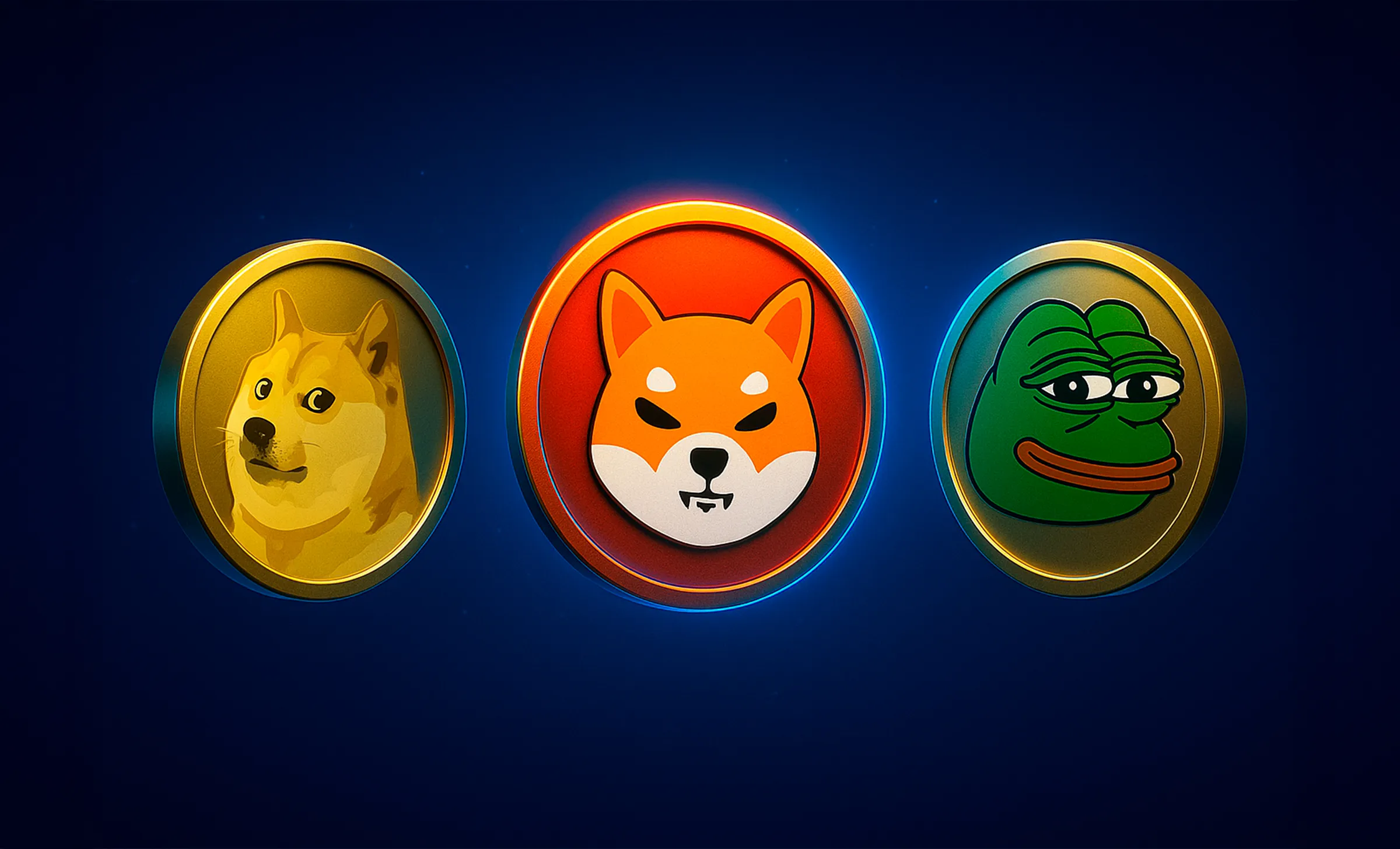
What is a memecoin?
A memecoin is a cryptocurrency that springs from online memes, jokes, or viral cultural moments. Unlike mainstream digital assets that focus on solving technical challenges or upgrading blockchain infrastructure, memecoins are typically created for fun, satire, or to build shared identity around internet culture. Although they often begin as lighthearted experiments, several have grown into major market players with multibillion-dollar valuations and fiercely loyal communities.
The most iconic example is Dogecoin (DOGE), launched in 2013 by two software engineers. Based on the “Doge” meme featuring a Shiba Inu dog and Comic Sans captions, it was originally a parody of Bitcoin and the explosion of alternative coins. What started as a joke rapidly became a mainstream phenomenon during the 2021 bull run, buoyed by celebrity endorsements—most notably from Elon Musk—and viral social media campaigns.
At their heart, memecoins aren’t about technical white papers or fundamentals; they’re about relatability, humor, and digital camaraderie. Some serve as cultural commentary, while others evolve into tokens with real utility. Whether viewed as a fleeting gag or a profound experiment in internet economics, memecoins have carved out a lasting niche in the crypto ecosystem.
How do memecoins work?
Technically, memecoins function like any other cryptocurrency. Despite their playful origins, they are built on established blockchains such as Ethereum (using the ERC-20 standard) and Solana, which provide the framework for minting, transferring, and trading tokens. They rely on decentralization, cryptography, and distributed ledger technology to securely log transactions.
Tokenomics varies widely. Dogecoin, for instance, has an inflationary model with an uncapped supply and continuous mining rewards. Shiba Inu (SHIB) launched with a quadrillion tokens and later introduced a burn mechanism to gradually reduce supply. These design choices influence scarcity perceptions and community psychology.
What truly sets memecoins apart is their social layer. Traditional projects depend on development teams and roadmaps; memecoins thrive on viral content, influencer attention, and collective action. On platforms like Reddit, Discord, and X (formerly Twitter), enthusiasts coordinate memes, discussions, and campaigns that can directly impact price and visibility. In essence, memecoins are powered by culture as much as by code. When timing, humor, and community momentum align, a token can surge in popularity with astonishing speed.
The purpose of memecoins
Though designed to be playful, memecoins serve distinct roles in the crypto landscape. One of the most prominent is social connection. These tokens rally large groups around shared jokes or identities, forming digital communities with their own rituals and goals. Holding a memecoin can feel like joining a fan club, where members participate in online events and creative promotions.
They also act as a speculative on-ramp. With low initial costs and viral potential, memecoins attract those seeking high-risk/high-reward bets. Their simplicity and buzz make them especially appealing to newcomers testing the waters of crypto investing.
Finally, memecoins inject humor and culture into an often overly technical space. By blending entertainment, irony, and digital trial-and-error, they lower barriers and invite wider participation. Whether taken seriously or not, memecoins foster inclusion by showing a more relatable side of cryptocurrency.
Key characteristics of memecoins
Memecoins stand apart thanks to a distinctive mix of cultural relevance, market behavior, and community power:
- Humor and pop culture roots – Often born from trending internet moments, with lighthearted branding—think Shiba Inu dogs, cartoon frogs, or even political figures.
- Extreme price swings – A single tweet, meme, or headline can send prices skyrocketing or crashing, making memecoins incredibly risky but potentially very rewarding.
- Community-driven nature – Instead of technology or roadmaps, memecoins rely on loyal supporters to spread awareness, create content, and drive adoption. A strong, active fan base can be more valuable than any utility.
- Speculative appeal – Most offer little to no intrinsic utility; their value derives from hype, media attention, and FOMO (fear of missing out), attracting both risk-tolerant investors and casual participants.
Why do people buy and invest in memecoins?
People are drawn to memecoins for many reasons, not least their unpredictability and cultural buzz. Some appreciate the sense of belonging to enthusiastic communities on Reddit or X. Being part of a memecoin project often means engaging with a lively group of supporters who share in-jokes and coordinate viral moments.
Others see memecoins as a speculative segment of the crypto market. History shows that these tokens can experience extraordinary price surges during certain cycles. However, such behavior carries immense risk, making careful research essential before investing. Some users also treat memecoins as a way to diversify their crypto exposure alongside more established assets. Tools like Crypto Basket within the Crypto.com ecosystem offer themed collections for exploration.
It’s crucial to remember that memecoins aren’t guaranteed to hold or increase in value; they are highly sentiment-driven. Anyone considering them should fully understand the risks and never invest more than they can afford to lose.
How to buy memecoins
Buying memecoins has become easier through modern platforms like the Crypto.com App. Here’s a typical step-by-step overview:
Note: This is general informational content, not financial advice. Always do your own research.
1. Download the Crypto.com App – Available on the App Store and Google Play.
2. Register an account – Provide an email, create a secure password, and complete identity verification for compliance and security.
3. Deposit funds – Use bank transfers, credit/debit cards, or crypto deposits from external wallets.
4. Search for a memecoin – Enter the token name or ticker to view real-time charts, descriptions, and trading pairs.
5. Buy your memecoins – Select the amount, review transaction details, and confirm. Tokens are stored in the in-app wallet.
Before any purchase, understand the risks, including price volatility and market fluctuations.
Most popular memecoins
While hundreds exist, only a few have captured widespread attention. Here are some of the most talked-about tokens:
- Dogecoin (DOGE)
- Shiba Inu (SHIB)
- Pepe (PEPE)
- Bonk (BONK)
- Floki Inu (FLOKI)
- Official Trump (TRUMP)
1. Dogecoin (DOGE)
The original memecoin, launched in 2013 as a joke based on the Shiba Inu “Doge” meme. Endorsements from Elon Musk and a strong community propelled it to a top position by market cap.
2. Shiba Inu (SHIB)
Marketed as the “Dogecoin killer,” this Ethereum-based token gained traction in 2021. It has since expanded into NFTs and DeFi.
3. Pepe (PEPE)
Inspired by the Pepe the Frog meme, PEPE exploded in 2023 as a community-driven project and a speculative phenomenon.
4. Bonk (BONK)
A Solana-native dog-themed token that revitalized the ecosystem through community airdrops and a “by the people” ethos.
5. Floki Inu (FLOKI)
Named after Elon Musk’s dog, FLOKI blends meme culture with plans for an NFT metaverse, education, and DeFi utilities.
6. Official Trump (TRUMP)
A politically themed token tied to US election chatter, attracting speculative volumes but remaining highly volatile.
How to create a memecoin
Technically, creating a memecoin is simple. Most are built on Ethereum or Solana, using token standards like ERC-20 or SLP. Launchpad tools let anyone generate a new token in minutes without coding skills.
The real challenge lies in building a fan base and cultural relevance. A catchy name, eye-catching logo, and clever meme strategy are essential. Social media is critical for viral traction, and influencer support amplifies visibility. In short, low technical barriers make creation easy, but success depends on timing, creativity, and community hype—not just code.
Memecoins vs. altcoins: What’s the difference?
While memecoins are a subset of altcoins, they differ in purpose, perception, and market behavior.
Altcoins (alternative coins) encompass all cryptocurrencies other than Bitcoin, from Ethereum to DeFi and NFT projects. Most aim to solve technical problems or provide real-world utility.
Memecoins, in contrast, are typically created around jokes, memes, or cultural references. They often lack clear use cases and their value is driven by social enthusiasm, media buzz, and viral trends.
Feature | Memecoins | Altcoins |
Origin | Meme culture, jokes | Technological goals |
Utility | Often minimal or none | Defined use cases |
Volatility | Extremely high | Varies |
Community | Central to value | Supportive but not essential |
Memecoins are highly speculative and tend to be more volatile than utility-focused altcoins. While altcoins strive for function, memecoins thrive on attention.
Risks of memecoins
Memecoins carry unique risks that every potential buyer should understand. Unlike traditional crypto assets built around clear utility or development roadmaps, memecoins are often driven by hype, humor, and social media momentum—making them inherently volatile.
1. High volatility and price fluctuations
A single tweet or meme can cause massive spikes or crashes. Prices are often untethered from fundamentals, making memecoins unpredictable.
2. Regulatory uncertainty
They may lack clear legal classification, leading to sudden changes in treatment, delistings, trading restrictions, or legal action.
3. Scams and fraud
The viral nature of memecoins has attracted rug pulls and pump-and-dump schemes. Some projects appear legitimate but are designed to exploit buyers.
4. Overreliance on community hype
Without technical utility, survival depends on enthusiasm and media attention. If the buzz fades, token value can collapse.
5. Lack of transparency or development
Many projects lack a public team, roadmap, or open-source code, making it hard to evaluate long-term credibility.
Before engaging with any memecoin, thorough research is critical. Assess your risk tolerance and never invest more than you can afford to lose.
Regulation of memecoins
The regulatory landscape is still taking shape. Many jurisdictions haven’t defined clear rules for assets that lack formal utility or centralized teams. In some regions, memecoins could be classified as securities if they promise financial returns, subjecting them to stricter compliance.
However, many operate in a legal gray area, especially those launched anonymously or without use cases. Regulators are paying more attention due to high volatility and scam potential. Future rules may emphasize transparency, investor protection, and clearer classifications. It’s important to stay informed about local laws and use reputable, regulated platforms when buying or trading memecoins.
What’s the outlook for memecoins?
The future of memecoins remains uncertain but fascinating. As long as internet culture influences digital finance, memecoins will likely maintain a presence. While many projects may fade with shifting trends, those with strong communities and creative branding could evolve into lasting ecosystems.
Some memecoins are already exploring utility features like NFT integrations, gaming, and DeFi tools—a shift that might help projects move beyond short-term hype toward sustainable value. Still, their outlook depends heavily on follower engagement, market trends, and how global regulations develop. For users, memecoins can serve as an entry point into crypto or a cultural bet, but caution and curiosity are essential in this rapidly changing space.
How to buy memecoins on Crypto.com
- Download the Crypto.com App
- Explore popular memecoins today
- Diversify your portfolio with Crypto Basket
- Securely trade and invest with Crypto.com
FAQs
What are memecoins and how do they work?
Memecoins are cryptocurrencies inspired by memes, viral jokes, or pop culture. They operate on blockchains like other tokens, and their value is largely driven by community hype and social sentiment rather than technical fundamentals.
Is a memecoin a good investment?
That depends on your goals and risk tolerance. Memecoins can deliver rapid gains, but they are highly volatile and speculative. Always research thoroughly and understand the risks.
Are memecoins legal?
It varies by country. Some jurisdictions are evaluating how memecoins fit into financial frameworks. Check local laws and use regulated platforms to stay compliant.
How can I create a memecoin?
With basic coding knowledge or token creation tools, anyone can launch a memecoin on networks like Ethereum or Solana. But success requires branding, viral marketing, and a strong community—not just code.
What is an example of a memecoin?
Dogecoin (DOGE) is the original and most famous. Others include Shiba Inu (SHIB), Pepe (PEPE), and Bonk (BONK), each with its own meme theme and fan base.
Do memecoins have a future?
They will likely remain part of crypto as long as internet culture influences finance. While many projects are short-lived, some continue to add real-world use cases. The future hinges on trends, community support, and regulatory evolution.